Gad Saad on Friendship – When Disagreement Quietly Ends a Relationship
Friendship

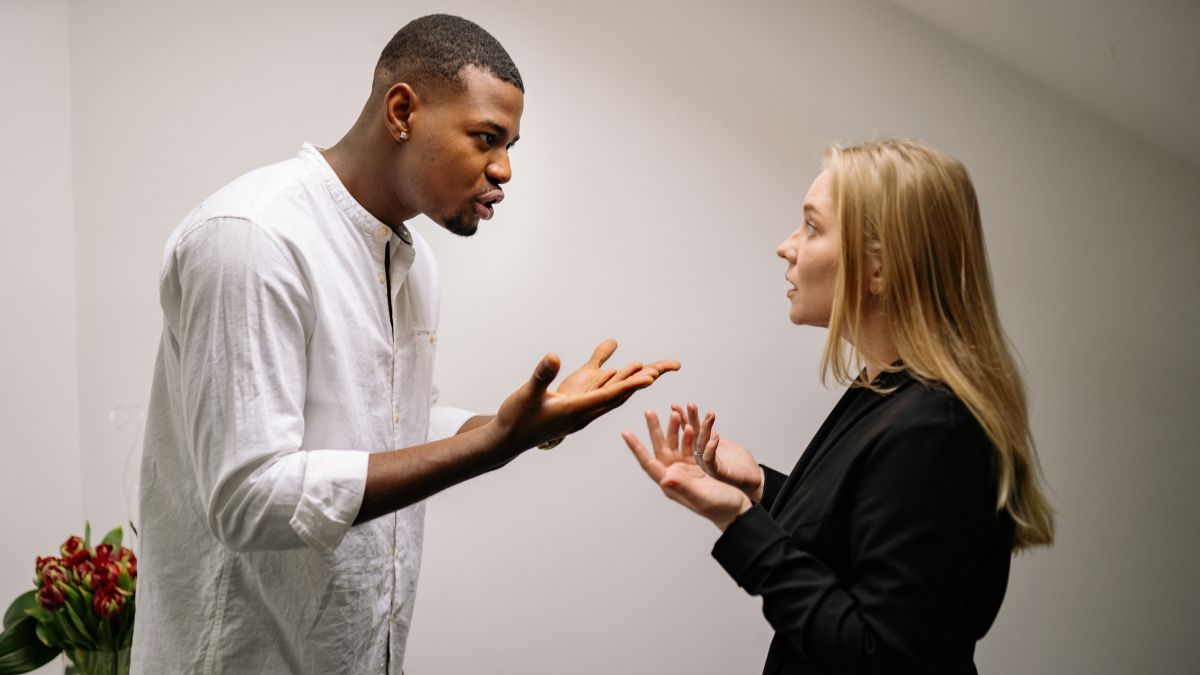
Friendships are often tested not during moments of agreement, but during moments of conflict and difference. Lebanese-Canadian psychologist and professor Gad Saad captured this idea in a widely discussed quote from his book The Parasitic Mind: How Infectious Ideas Are Killing Common Sense: “Anyone who is willing to end a relationship because of a reasoned … Read more


Psychology and Confidence – Why Some People Stop Worrying About Others’ Opinions

Psychology and Confidence

Many people spend a significant amount of time thinking about how they are perceived by others. They replay conversations, analyze small mistakes, and worry about being judged in social or professional settings. Psychology, however, suggests that people who appear less concerned about public opinion are not necessarily arrogant or self-centered. In many cases, they have … Read more

Psychologists Say These 2 Stubborn Habits Predict Long-Term Success More Than Talent

Psychologists

We are surrounded by endless self-improvement advice. Every day there is a new productivity hack, morning routine, mindset shift, or optimization strategy promising success. Most of these systems focus on what people should add to their lives – more habits, more structure, more routines. But psychology research keeps pointing toward something far less glamorous. According … Read more

Psychology of Productivity – 2 Habits That Work Better Than Discipline

Psychology

Many people begin each week with strong intentions. They create schedules, write goals, and promise themselves they will finally become more disciplined. Yet by the middle of the week, motivation often fades and unfinished tasks begin piling up again. Psychologists say this pattern may have less to do with laziness and more to do with … Read more

Difficult People at Work – Psychology Behind Handling Bosses, Employees, and Relationships

Psychology

Almost everyone eventually encounters a difficult person, whether at home, in the workplace, or in close relationships. Sometimes it is a demanding manager, a constantly negative employee, or a family member whose behavior creates emotional strain despite good intentions underneath. Psychologists say difficult people are not always malicious or harmful by nature. In many cases, … Read more

Psychology of Intelligence – Why Smart People Change Their Minds More Often in Public

Psychology of Intelligence

In many conversations, especially difficult or emotionally charged ones, people tend to defend their original opinions even when new evidence begins to challenge them. Psychology researchers say this reaction is common and deeply connected to how humans protect social identity and self-image. Yet studies increasingly suggest that highly intelligent people often behave differently. Instead of … Read more

Psychology of Resilience – Why Children of the 60s and 70s Developed More Independence

Psychology

For many adults who grew up in the 1960s and 1970s, childhood looked very different from today. Children often spent hours outside without direct supervision, settled disagreements with friends on their own, and learned how to handle boredom without constant entertainment. Now, modern parenting is increasingly shaped by technology, safety concerns, and close supervision. Parents … Read more

Psychology of Aging – Why Some People Stay Healthy in Their 60s and 70s

Psychology

Reaching the age of 60 or 70 with good physical health is often associated with discipline, exercise, and healthy eating. While these factors are important, psychologists and aging researchers say the picture is more complex. Physical functionality in later life is shaped not only by habits, but also by beliefs about aging, emotional health, social … Read more

Childhood Independence – How Less Supervision Shaped Emotional Resilience

Emotional Resilience

Modern parenting often emphasizes structure, supervision, and constant engagement. Schedules are organized, activities are planned, and children are rarely left without guidance. While these approaches are grounded in care and safety, research suggests that earlier generations developed certain psychological strengths under very different conditions – often because adults were simply less involved in their day-to-day … Read more

Aging and Emotion – Why Some People Soften While Others Harden Over Time

Aging and Emotion

As people age, differences in temperament often become more visible. Some individuals grow more patient, reflective, and emotionally open. Others become rigid, reactive, or withdrawn. It is easy to attribute this contrast to personality. However, psychological research suggests a different explanation – one rooted in how individuals process accumulated loss over time. The distinction is … Read more