Psychology of Intelligence – Why Smart People Change Their Minds More Often in Public

Psychology of Intelligence

In many conversations, especially difficult or emotionally charged ones, people tend to defend their original opinions even when new evidence begins to challenge them. Psychology researchers say this reaction is common and deeply connected to how humans protect social identity and self-image. Yet studies increasingly suggest that highly intelligent people often behave differently. Instead of … Read more

Remembering Every Detail – When Attentiveness Begins as Emotional Survival

Emotional Survival

She remembers that you stop drinking coffee after 2pm. She remembers your sister’s surgery from months ago, the name of the surgeon, and the fact that you were worried about your mother traveling for it. She remembers which friend cannot eat shellfish, which coworker avoids dairy, and which relative becomes uncomfortable whenever a certain topic … Read more

Friendship and Self Disclosure – Why Some People Only Ask Questions

Friendship

Maya can guide a conversation for hours without revealing much about herself. She remembers details about other people’s lives with unusual precision. She asks thoughtful follow-up questions, checks in about things mentioned weeks earlier, and makes others feel fully heard. After spending time with her, people often leave feeling understood and emotionally connected. Yet many … Read more

Friendship and Response Time – Why Fast Replies Don’t Always Mean Real Support

Friendship and Response Time

I had a difficult week recently. Work pressure was building, a decision I had delayed for too long was still sitting in front of me, and there was a lingering low mood that made ordinary things feel heavier than usual. I messaged three friends. One replied almost immediately with supportive emojis and a link to … Read more

Friendship Dynamics – When One Person Carries the Emotional Load

Friendship Dynamics

In many social circles, there is a familiar but rarely examined pattern. One person consistently reaches out, remembers details, and maintains contact, while others respond but rarely initiate. Over time, this dynamic can become so normalized that it goes unnoticed. At first glance, the individual who checks in regularly appears attentive and socially skilled. However, … Read more

Loneliness in Social Settings – Knowing Hidden Emotional Isolation

Social Settings

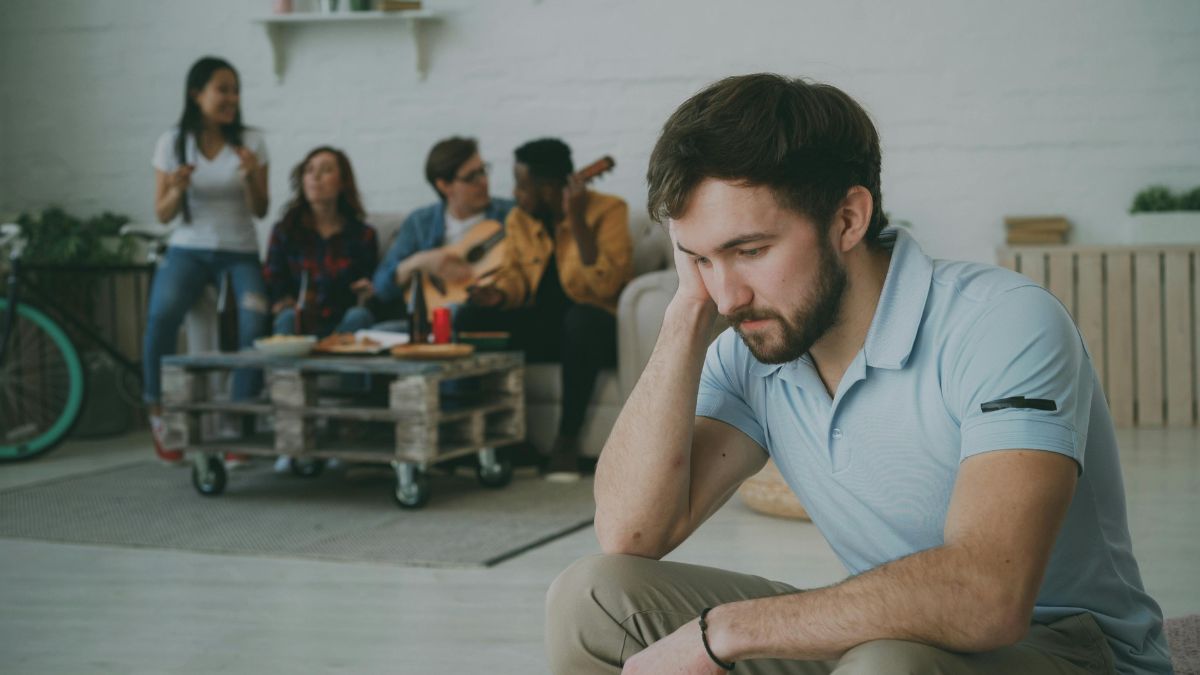
Loneliness is often imagined as visible isolation – someone sitting alone, detached from the group, or quietly observing from the edges. This image has shaped how people interpret social disconnection for decades. However, this knowing is incomplete. A growing body of psychological insight suggests that loneliness frequently exists in less obvious forms, particularly among individuals … Read more

Cancelled Plans and Capacity – Why Intentions Change Over Time

Cancelled Plans and Capacity

It is common to interpret cancelled plans as a sign of unreliability. When someone agrees to meet and later withdraws, the assumption is often that the original commitment was not genuine. However, this interpretation does not fully account for how human capacity fluctuates. A more accurate explanation is that intention and ability are not always … Read more

Internal Validation Shift – Why Some People Seem Unbothered by Others’ Opinions

Opinions

People who appear unaffected by others’ opinions are often described as indifferent. They seem steady in the face of criticism, unconcerned with social approval, and comfortable making decisions without extensive explanation. However, psychological perspectives suggest a different interpretation. These individuals have not stopped caring. They have changed where their evaluation comes from. Rather than relying … Read more

Solitude and Social Preference – Why Some People Choose Silence Over Small Talk

Solitude and Social Preference

There is a common assumption that people who prefer solitude over frequent socializing are disengaged or lacking social skills. In reality, psychological research suggests a different explanation. For many individuals, the preference for being alone reflects a shift away from surface-level interaction toward more meaningful or internally engaging experiences. This distinction becomes clearer when examining … Read more