Psychology of Awe – Why Looking at the Night Sky May Calm the Mind

Awe

On a clear night away from city lights, the night sky can feel unexpectedly powerful. Without distractions, glowing screens, or background noise, many people experience a brief moment of stillness when they stop and look upward. Psychologists say that moment may have deeper effects than most people realize. In recent years, researchers have explored how … Read more


When Success Feels Empty – Knowing the Gap Between Achievement and Feeling

Success

There is a particular kind of dissatisfaction that is difficult to explain. It appears when life, by most external measures, is going well, yet the expected sense of fulfillment does not follow. The milestones are there. The stability is there. The recognition may even be there. What is missing is the internal response that was … Read more

Over Apologizing Explained – Why Some People Say Sorry Too Soon

Over Apologizing

It is a familiar scene. Someone bumps into an object, interrupts briefly, or asks a routine question, and the word “sorry” appears almost instantly. The response is so quick that it seems automatic, often detached from actual responsibility. This behavior is commonly interpreted as low self-esteem. However, a closer look suggests a different explanation. In … Read more

Pet Loss Explained – Why Losing a Dog Can Feel So Deep

Pet Loss

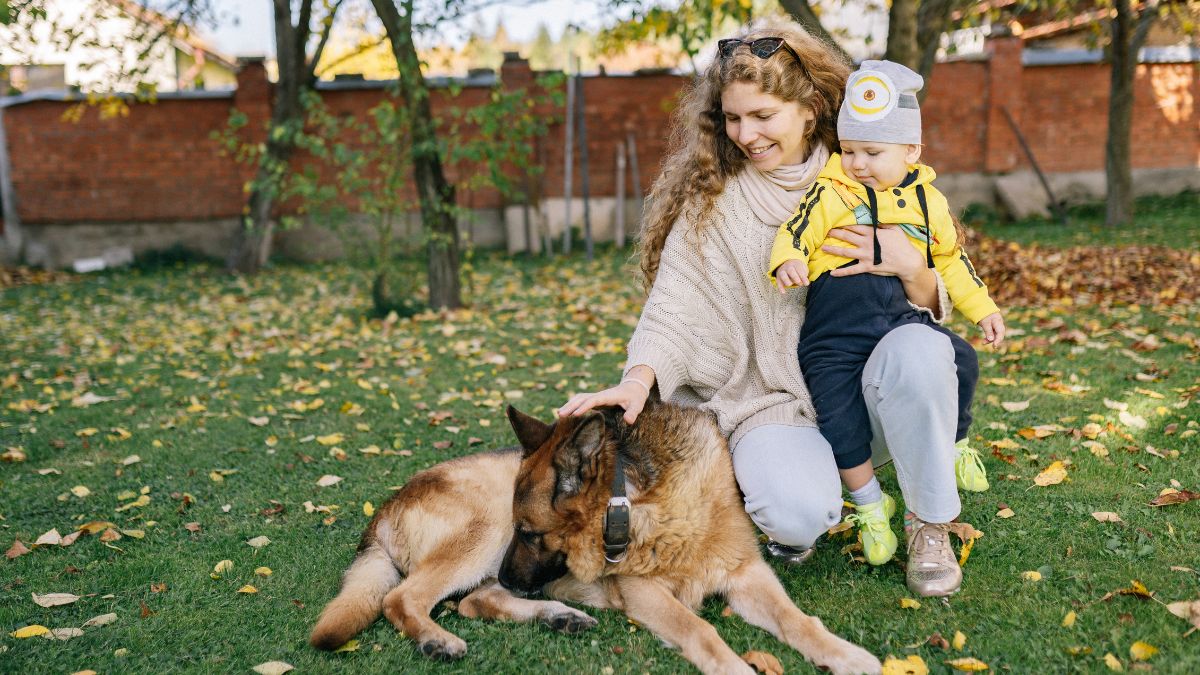
Grief is often measured against social expectations. Society tends to rank relationships – parent, partner, family, then others – and assumes the intensity of loss should follow that order. However, emotional experience does not always follow this structure. The grief that follows the death of a dog can feel unexpectedly profound, not because it is … Read more

Acquaintances vs Closeness – Why Some Adults Keep Emotional Distance

Emotional Distance

It can look, from the outside, like a social gap. A person with a wide network, frequent conversations, and a full calendar, yet no one they would call in a moment of real need. This pattern is often misunderstood as a lack of social ability or effort. In many cases, it reflects something more specific … Read more

Selective Relationships and Well Being – Why Inner Circle Boundaries Matter

Relationships

Not everyone who is careful about relationships is distant or unapproachable. In many cases, selectivity reflects experience rather than personality. Over time, individuals may recognize that close relationships carry influence, and that influence can be either supportive or disruptive. This awareness typically develops gradually. It is shaped less by abstract ideas and more by direct … Read more

Retirement Reality – When Work Friendships Fade With the Job

Retirement Reality

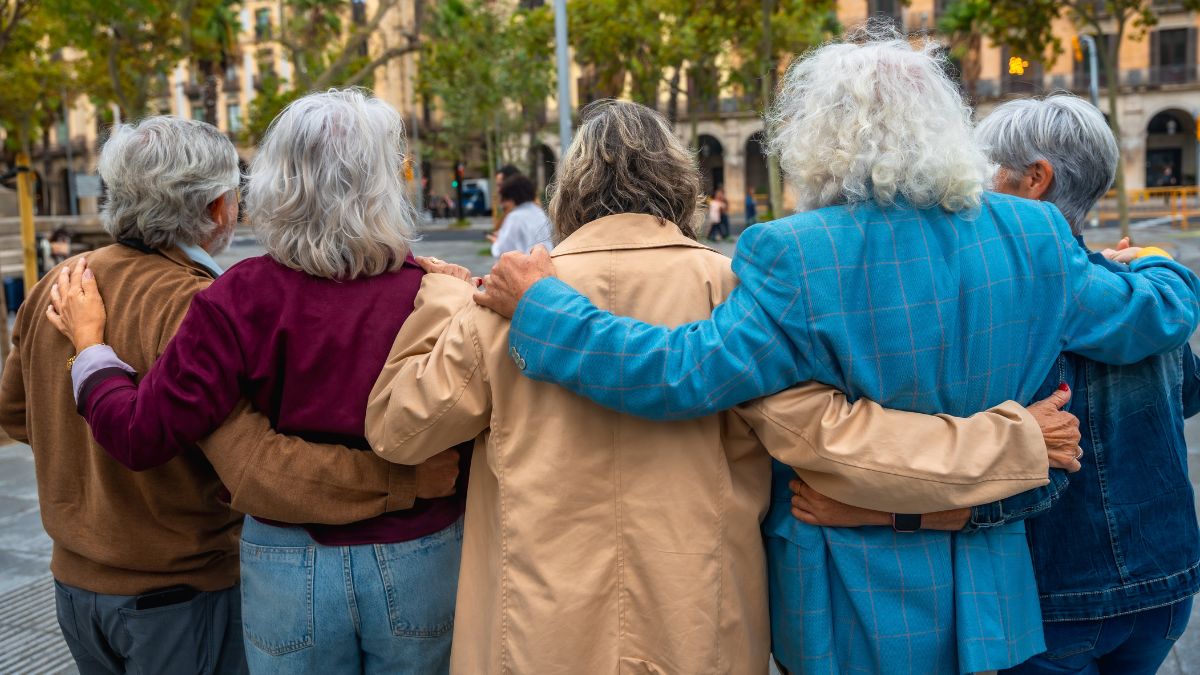
Retirement is often framed around financial readiness, leisure time, and personal freedom. Less discussed is the social transition that follows. For many, the most unexpected change is not boredom or loss of purpose, but the quiet disappearance of relationships once tied to daily work. This shift is rarely abrupt. It unfolds gradually, often without conflict, … Read more

Happiness and Comparison – Why Letting Go of “Should” Improves Wellbeing

Wellbeing

There is often a version of life people carry in their minds – a version shaped by expectations, timelines, and social signals rather than deliberate choice. It includes ideas about what should have been achieved by a certain age, what success should look like, and how life should feel once those milestones are reached. This … Read more

Solitude and Social Preference – Why Some People Choose Silence Over Small Talk

Solitude and Social Preference

There is a common assumption that people who prefer solitude over frequent socializing are disengaged or lacking social skills. In reality, psychological research suggests a different explanation. For many individuals, the preference for being alone reflects a shift away from surface-level interaction toward more meaningful or internally engaging experiences. This distinction becomes clearer when examining … Read more