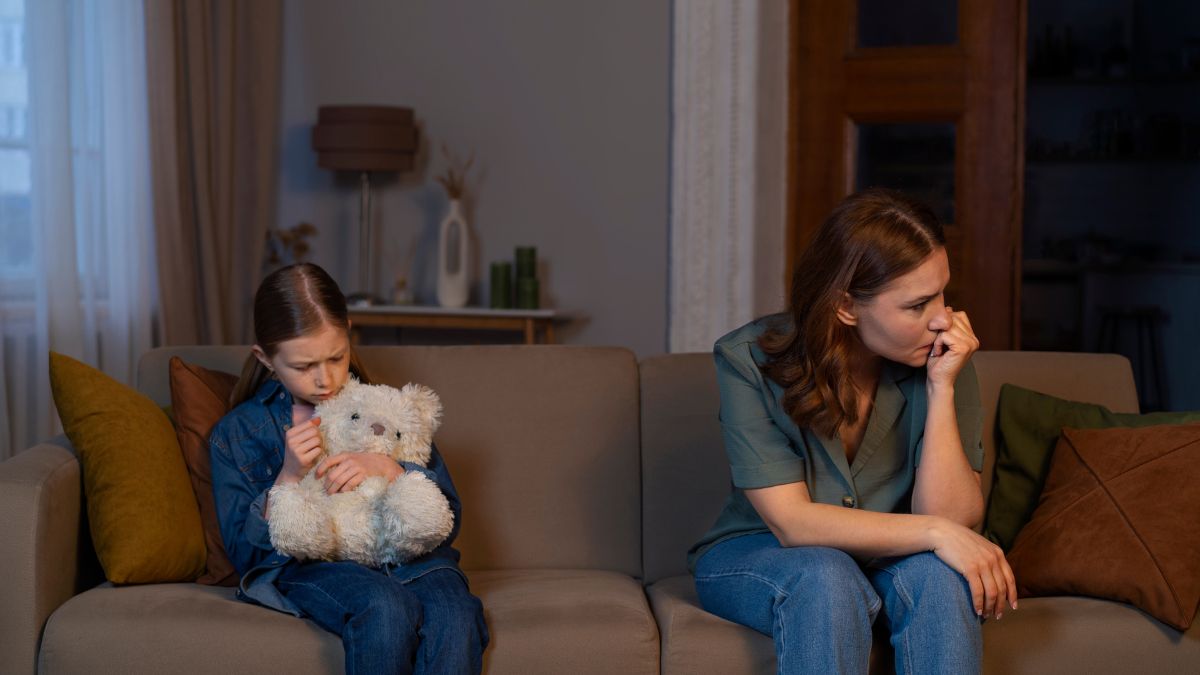
Apology Habits – Why Some People Say Sorry Too Quickly

Habits

Many people apologize as a way to maintain politeness and respect in everyday interactions. However, psychology suggests that frequent or automatic apologies may sometimes reflect deeper patterns learned earlier in life. People who apologize quickly or excessively often developed this habit in environments where keeping peace depended on them taking responsibility, even when the situation … Read more


Overthinking and Childhood Pressure – Why Some Minds Struggle to Turn Off

Overthinking and Childhood Pressure

Many people associate overthinking with intelligence. Someone who analyzes every detail or replays conversations repeatedly may appear thoughtful or highly analytical. However, psychology often suggests a different explanation. Chronic overthinking is frequently linked not to intelligence but to early environments where mistakes carried strong emotional consequences. When a child grows up in a setting where … Read more

Emotional Observation – Why Some People Feel Lonely Even in Crowded Rooms

Emotional

Many people assume loneliness only happens when someone is physically alone. However, psychology suggests that loneliness can also appear in crowded places. A person may be surrounded by friends, colleagues, or family members and still experience a quiet sense of emotional distance. One explanation often discussed in psychology is that some individuals learn early in … Read more

Responsible Child – Why People Who Grew Up Being “The Responsible One” Often Struggle to Rest

Grew Up

In many families, one child quietly takes on the role of being “the responsible one.” This child may help solve problems, support siblings, manage expectations, or try to keep peace within the household. Over time, that role can become deeply tied to their sense of identity. Psychology suggests that for many people who grew up … Read more

Midlife Fatigue – Knowing the Quiet Exhaustion Many Feel in Their 40s

Exhaustion

Many people expect their 40s to bring stability. Careers are often established, families may be growing, and life appears more structured than in earlier decades. However, a quieter form of exhaustion often emerges during this period. According to psychology, this fatigue is not always tied directly to work demands. Instead, it can stem from spending … Read more

Social Media Behavior – Why Some People Choose to Observe Instead of Post

Social Media

Social media is often described as a space built for sharing. Platforms encourage users to post updates, comment on discussions, and react to content from others. Because of this design, people who rarely post or interact are sometimes labeled as disengaged or antisocial. However, psychology offers a different interpretation. Many individuals who quietly observe social … Read more

Social Loneliness – Why Highly Social Women Can Still Feel Deeply Alone

Social

Loneliness is often imagined as the result of isolation. The common assumption is simple: people who lack social contact are the ones most likely to feel lonely. Yet psychological research increasingly shows that loneliness does not always come from a lack of people. Sometimes it emerges from a lack of being truly known. This idea … Read more

True Crime Audience – Why Women Often Lead the Interest

Women

True crime stories have become one of the most widely consumed forms of modern media. From podcasts and documentaries to books and streaming series, audiences continue to engage deeply with real-world crime narratives. A notable trend within this genre is that women make up a significant portion of the audience. At first glance, this pattern … Read more

Psychology of Boundaries – Why Saying “That Doesn’t Work for Me” Matters

Psychology

From childhood, many people learn that saying no is not enough. They are encouraged to soften it, explain it, and justify it. Instead of offering a simple refusal, they wrap their boundaries in apologies and explanations. After saying these phrases, many people wait for the other person to decide if the explanation is acceptable. The … Read more

Silent Childhoods – How Emotionally Distant Homes Shaped Adult Coping Mechanisms

Silent Childhoods

Growing up in the 1950s and 60s, many children lived in households where emotions were rarely discussed. Dinner conversations often revolved around school, chores, or daily routines, but rarely touched feelings. Parents believed emotional restraint built strong character, so phrases like “stop crying” or “be tough” became common guidance. For many children, this created an … Read more