Hidden Loneliness – Why People Who Appear Strong Often Feel Alone
People

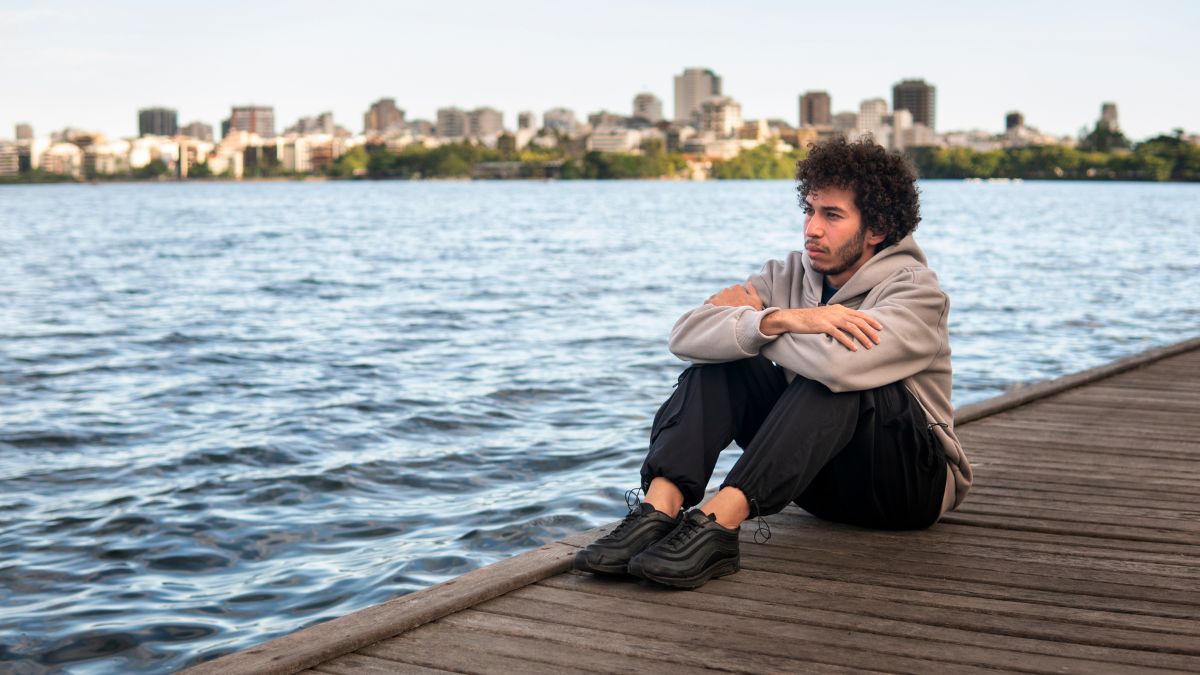
Loneliness is commonly associated with physical isolation or a lack of social contact. However, psychological research suggests that loneliness can also occur in individuals who are surrounded by others and appear emotionally strong. In some cases, the most difficult form of loneliness is experienced by people who learned early in life how to appear resilient, … Read more


Boundaries and Childhood – Why Saying No Can Feel Difficult in Adulthood

Boundaries and Childhood

Personal boundaries are an important part of healthy relationships. They allow individuals to express their needs, protect their time and energy, and maintain emotional balance with others. However, many adults find it difficult to set boundaries or say no, even when they feel overwhelmed or uncomfortable. Psychological perspectives suggest that this difficulty may be connected … Read more

Early Maturity – How Childhood Praise Can Shape Adult Responsibility

Childhood Praise

In many families and communities, children who behave calmly, handle responsibilities early, or support others emotionally are often described as “mature for their age.” This praise usually comes from good intentions. Adults may see the child as responsible, thoughtful, or dependable. However, psychology suggests that repeated praise for early maturity can sometimes influence how individuals … Read more

Nostalgia and Memory – Why the Past Feels More Meaningful With Age

Nostalgia and Memory

Nostalgia is a common emotional experience in which individuals reflect on moments from the past with warmth and longing. Many people notice that nostalgic feelings tend to grow stronger as they get older. Psychological research suggests that this change is not simply about remembering events but about how memory reshapes those events over time. As … Read more

Fear of Conflict – How Childhood Experiences Shape Adult Reactions

Fear

Conflict is a natural part of human relationships. Whether in families, workplaces, or friendships, disagreements occur whenever people have different needs, perspectives, or expectations. However, many individuals experience strong discomfort or anxiety when facing conflict. Psychological research suggests that this reaction is often connected to earlier life experiences. In some cases, people who strongly avoid … Read more

Self Worth and Usefulness – Why Many Adults Tie Value to Helping Others

Self Worth

Many adults develop a strong sense of responsibility toward the people around them. Being supportive, dependable, and helpful is often viewed as a positive character trait. However, psychology suggests that for some individuals, self-worth can become closely tied to how useful they are to others. When this belief forms early in life, it can become … Read more

Quiet Strength – Why Some People Stay Calm in Every Crisis

Calm

In many difficult situations, there is often one person who remains composed while others react with visible emotion. This individual may organize solutions, provide reassurance, and maintain a steady presence when tensions rise. Psychology suggests that while this calm behavior can reflect strong coping skills, it can also be connected to early life experiences where … Read more

Constant Motion – When Staying Busy Becomes Emotional Avoidance

Constant Motion

Many people describe their lives as constantly busy. Work schedules, social commitments, digital notifications, and daily responsibilities can easily fill every available hour. While productivity and activity are often valued in modern culture, psychology suggests that constant busyness can sometimes serve another purpose. For some individuals, staying busy may function as a subtle way to … Read more

Independence or Isolation – When Self Reliance Becomes Emotional Distance

Independence

Many people value independence. Being able to solve problems, manage responsibilities, and rely on oneself is often seen as a sign of maturity and strength. However, psychology suggests that some individuals may confuse independence with emotional isolation. This confusion often develops in childhood, particularly in environments where asking for help felt unsafe or discouraged. When … Read more

Silent Success – Why Some Adults Struggle to Celebrate Achievements

Silent Success

Many adults accomplish meaningful goals yet feel uneasy celebrating them. They may quickly move on to the next task, minimize their progress, or avoid discussing their achievements at all. Psychologists suggest that one explanation may lie in childhood environments where success was expected but rarely acknowledged. When children grow up in homes where strong performance … Read more