Learning Affection – Receiving Love in Adulthood After Emotional Distance

Adulthood

For many adults raised in emotionally reserved households, the absence of affection is not always felt as a clear loss during childhood. Instead, its impact often becomes visible much later, particularly when affection is finally offered in adult relationships. At that point, the challenge is not recognizing love, but knowing how to receive it. This … Read more

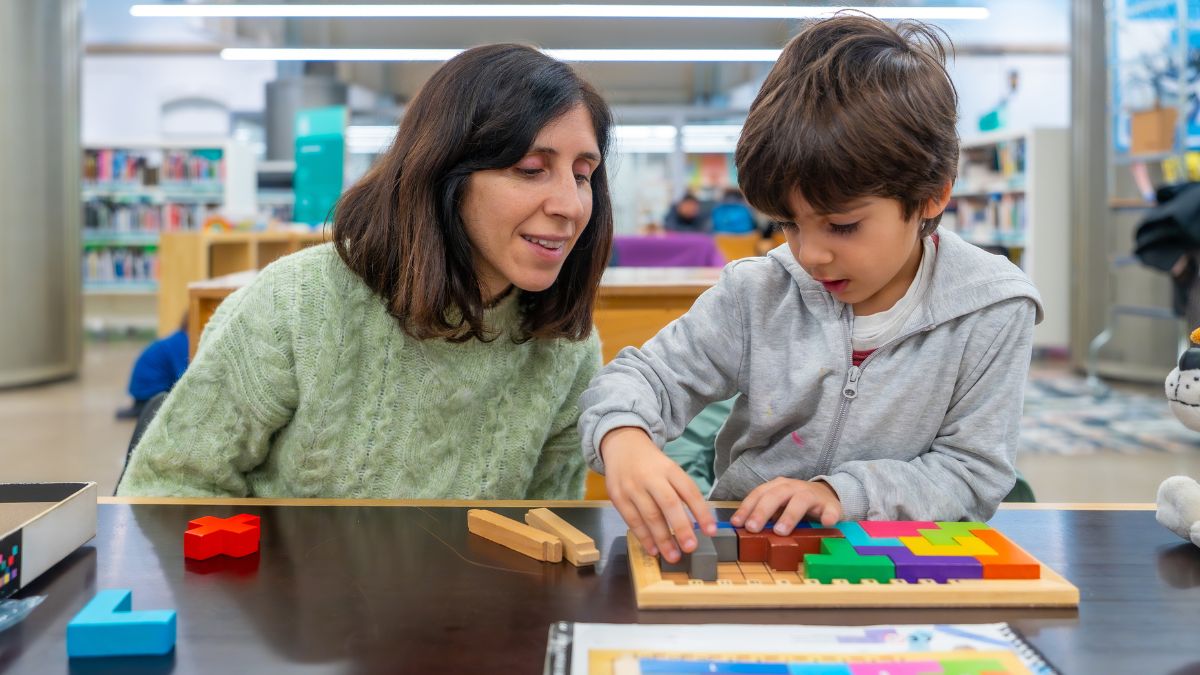
Receiving Love – Why Early Affection Shapes Adult Intimacy

Adult Intimacy

A growing body of psychological research suggests that adults who experienced limited affection in childhood do not lose the ability to love. Instead, they often develop difficulty receiving it. This distinction is subtle but significant. Love may be present, even strong, but the ability to accept and trust it can feel unfamiliar or uncertain. This … Read more

Childhood Maturity Revisited – Untangling Early Praise and Adult Emotional Patterns

Childhood Maturity Revisited

The idea of a “mature child” is often treated as a compliment. In many households and classrooms, it signals responsibility, emotional control, and independence. However, developmental psychology suggests that this label is rarely neutral. In many cases, it reflects an adaptation to circumstances rather than a simple personality trait. Children described as mature are often … Read more

Commitment Anxiety and Endurance Patterns – How Unhappy Marriages Shape Adult Relationships

Commitment Anxiety

Not all relationship patterns begin with obvious disruption. Some are formed in homes that appeared stable from the outside but carried persistent emotional distance within. For many individuals, growing up in such environments creates a distinct internal conflict around intimacy, commitment, and separation. Environment In households where parents remained together despite ongoing dissatisfaction, children were … Read more

Calm Adults and Chaotic Childhoods – When Emotional Stability Is Learned Through Survival

Emotional Stability

Calmness is often seen as a sign of balance, maturity, or inner peace. But in many cases, especially among adults who appear consistently composed, that calm has a different origin. It is not always the result of a stable upbringing. Instead, it can emerge from early environments where emotional unpredictability required constant adjustment. Origins In … Read more

When Love Looks Like Sacrifice – How Childhood Shapes Adult Relationship Patterns

Adult Relationship

Some lessons about relationships are never explicitly taught. They are absorbed through observation, repetition, and atmosphere. For many people, especially those raised in homes where parents stayed together despite visible unhappiness, one of the most enduring lessons is this: love requires sacrifice, and sacrifice often means discomfort. This belief does not always appear as a … Read more

Trusting Compliments – How Early Praise Shapes Adult Self Perception

Trusting Compliments

Many adults find it difficult to accept compliments. They may deflect kind words, question the motive behind praise, or minimize their achievements. Psychology suggests that this response is often rooted in early experiences. Adults who struggle to trust compliments frequently grew up in environments where praise was rare, inconsistent, or conditional. Knowing this connection provides … Read more

Independence or Isolation – When Self Reliance Becomes Emotional Distance

Independence

Many people value independence. Being able to solve problems, manage responsibilities, and rely on oneself is often seen as a sign of maturity and strength. However, psychology suggests that some individuals may confuse independence with emotional isolation. This confusion often develops in childhood, particularly in environments where asking for help felt unsafe or discouraged. When … Read more

Silent Success – Why Some Adults Struggle to Celebrate Achievements

Silent Success

Many adults accomplish meaningful goals yet feel uneasy celebrating them. They may quickly move on to the next task, minimize their progress, or avoid discussing their achievements at all. Psychologists suggest that one explanation may lie in childhood environments where success was expected but rarely acknowledged. When children grow up in homes where strong performance … Read more