Emotional Invalidation and Adult Behavior – Why Some Apologize for Feelings Alone

Alone

Not all emotional habits formed in adulthood originate in the present. Many reflect patterns learned earlier in life, particularly in environments where emotional expression was discouraged or dismissed. One such pattern appears in adults who instinctively apologize when they cry, even when they are alone. This behavior is subtle and often overlooked. It does not … Read more

Emotional Labor and Apologies – When “Good Manners” Masks Self Management

Self Management

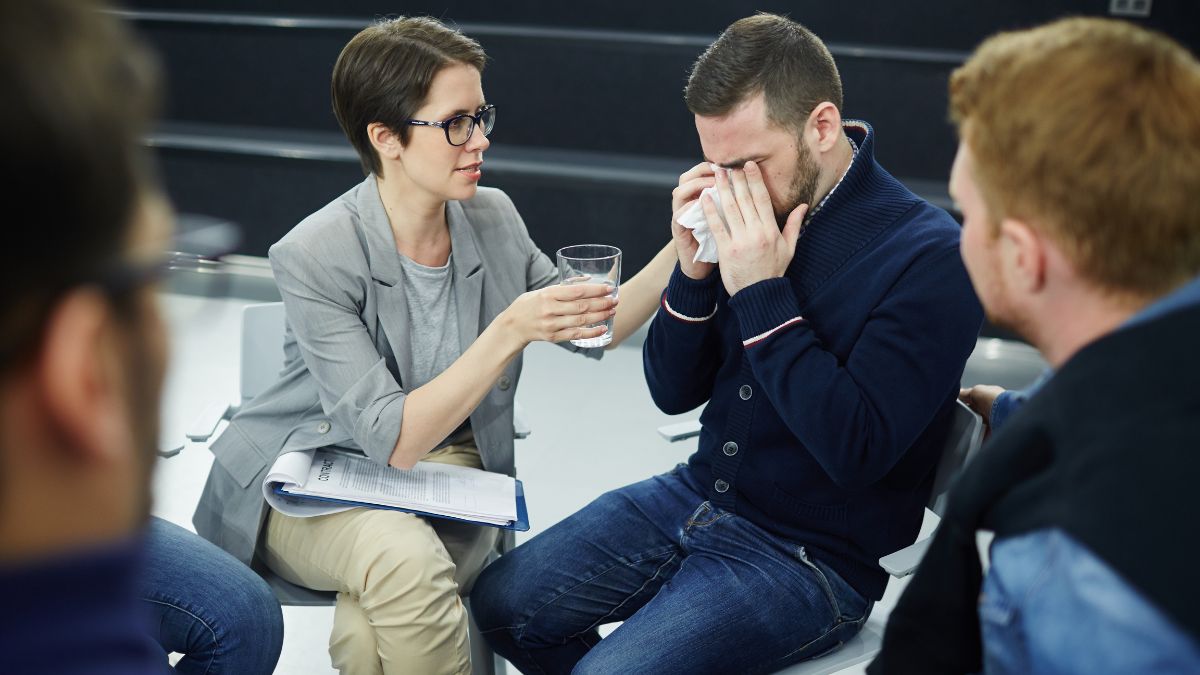
Not all apologies are about fault. Some are about regulation. Many people notice, often in ordinary situations, that they apologize when no mistake has been made. A server brings the wrong order, a colleague mishears a point, a delay occurs outside their control, and the response is still the same: “sorry.” This pattern is usually … Read more

Psychology of Lasting Roles – Why Adults Continue Behaviors After the Audience Disappears

Psychology

Human behavior often develops within specific social settings. Families, schools, and workplaces subtly assign expectations, and individuals learn to respond in ways that maintain stability within those environments. Over time, those responses become patterns. Psychology suggests that many adults continue performing these learned roles even after the conditions that created them have changed. In simple … Read more

Independence or Isolation – When Self Reliance Becomes Emotional Distance

Independence

Many people value independence. Being able to solve problems, manage responsibilities, and rely on oneself is often seen as a sign of maturity and strength. However, psychology suggests that some individuals may confuse independence with emotional isolation. This confusion often develops in childhood, particularly in environments where asking for help felt unsafe or discouraged. When … Read more