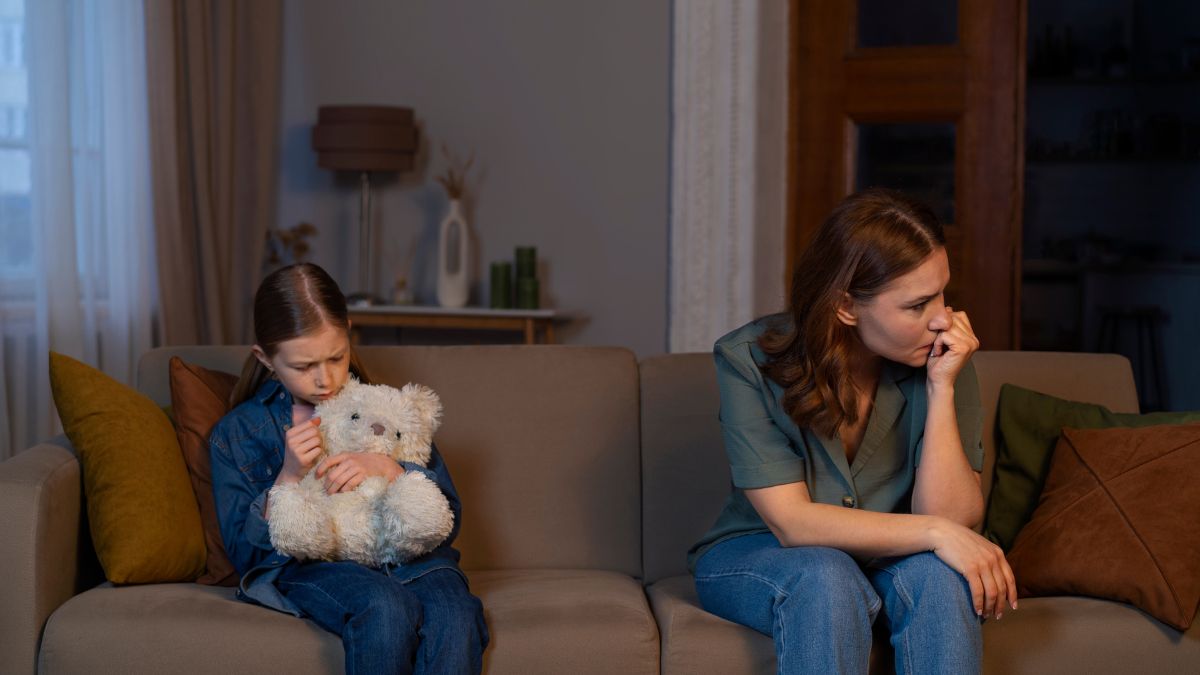
Emotional Invalidation and Adult Behavior – Why Some Apologize for Feelings Alone

Alone

Not all emotional habits formed in adulthood originate in the present. Many reflect patterns learned earlier in life, particularly in environments where emotional expression was discouraged or dismissed. One such pattern appears in adults who instinctively apologize when they cry, even when they are alone. This behavior is subtle and often overlooked. It does not … Read more


Over Apologizing – How Childhood Patterns Shape Adult Behavior

Over Apologizing

In everyday situations, small habits often go unnoticed. Saying “sorry” when bumping into an object may appear trivial or even humorous. However, such reflexive behaviors can reflect deeper psychological patterns formed over time. What appears as politeness may, in some cases, be a learned response shaped by early experiences. Knowing these patterns provides useful insight … Read more

Emotional Presence in Parenting – Why Adult Children Drift Despite Material Support

In many families, distance between parents and their adult children does not emerge from conflict or obvious harm. Instead, it develops gradually, often without a clear explanation. Parents may feel confused when their children visit infrequently or seem emotionally disengaged, especially when they believe they provided a stable and supportive upbringing. Psychological research suggests that … Read more

Silent Childhoods – How Emotionally Distant Homes Shaped Adult Coping Mechanisms

Silent Childhoods

Growing up in the 1950s and 60s, many children lived in households where emotions were rarely discussed. Dinner conversations often revolved around school, chores, or daily routines, but rarely touched feelings. Parents believed emotional restraint built strong character, so phrases like “stop crying” or “be tough” became common guidance. For many children, this created an … Read more