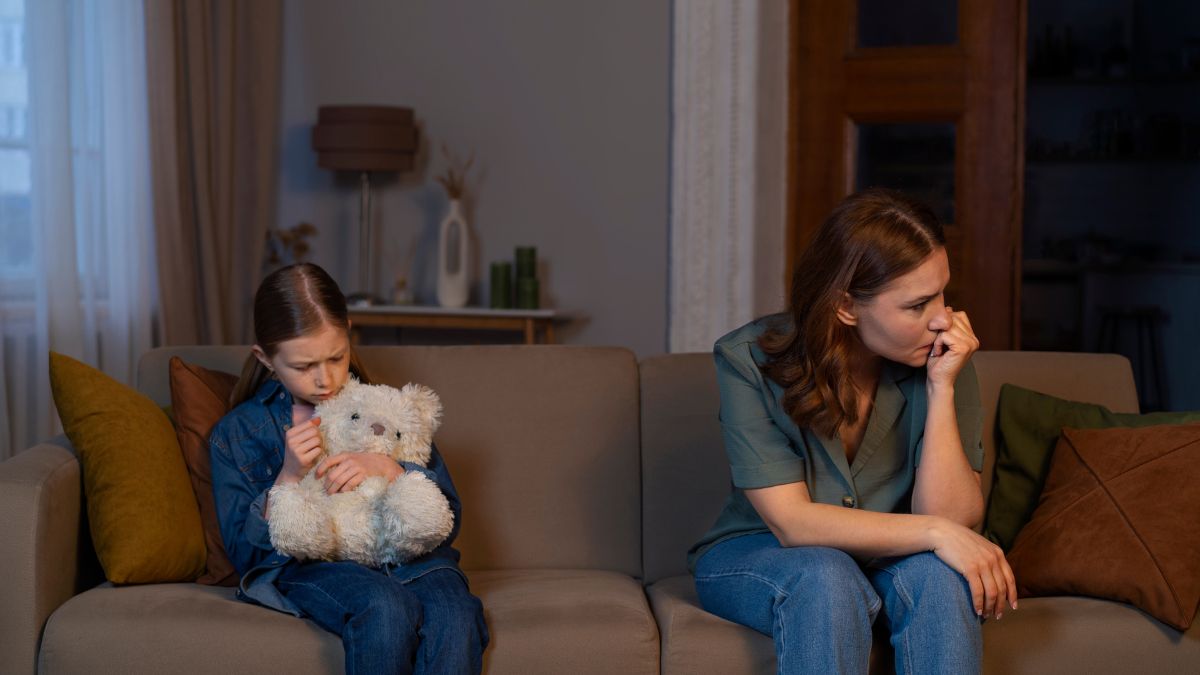
Growing up in the 1950s and 60s, many children lived in households where emotions were rarely discussed. Dinner conversations often revolved around school, chores, or daily routines, but rarely touched feelings. Parents believed emotional restraint built strong character, so phrases like “stop crying” or “be tough” became common guidance.
For many children, this created an environment where emotions were quietly pushed aside. Instead of learning how to express feelings, they learned how to hide them.
Today, behavioral scientists are noticing the long-term effects of these emotionally quiet households. Many adults raised this way feel lonely even when surrounded by family. They may attend gatherings, talk with relatives, and share meals, yet still feel emotionally disconnected.
The reason often lies in coping strategies developed during childhood. These behaviors helped them survive emotionally distant environments, but they can also create barriers to deeper relationships later in life.
Background
During the mid-20th century, cultural expectations encouraged emotional toughness. Parents focused on discipline, responsibility, and resilience rather than emotional openness.
Children growing up in these homes learned an unspoken rule: emotions should be controlled or hidden. Instead of talking through sadness, frustration, or fear, they developed alternative ways to manage those feelings.
Over time, these coping patterns became deeply ingrained habits that followed them into adulthood.
Analysis
One of the most common coping mechanisms is intellectualizing emotions. Instead of feeling sadness or anger, individuals analyze them.
They may explain the logical reasons behind their emotions but avoid actually experiencing them. For example, someone might say, “I understand why this situation is upsetting,” rather than expressing the sadness itself.
While this approach feels safe, it can create distance in relationships. Emotional bonds grow through shared feelings, not just thoughtful analysis.
Humor
Humor can become another protective shield. Some people learn early that making others laugh is a reliable way to avoid serious conversations.
Whenever discussions turn emotional, a quick joke shifts the mood. The tension disappears, and the topic changes.
Although humor is healthy, constant joking can block deeper emotional conversations. Over time, people may see the individual as entertaining but struggle to connect with them on a meaningful level.
Independence
Another common pattern is extreme independence. When children grow up without emotional support, they often learn to rely only on themselves.
As adults, they handle problems privately and rarely ask for help. They believe strength means solving everything alone.
However, this independence can slowly turn into isolation. Relationships require vulnerability, and refusing support makes emotional closeness difficult.
Outbursts
Emotions that remain suppressed for years rarely disappear. Instead, they accumulate.
Eventually, a minor situation may trigger an intense emotional reaction. A small disagreement or inconvenience suddenly sparks a strong outburst.
These reactions often surprise both the person and those around them. The trigger seems small, but the emotional buildup behind it is much larger.
Pleasing
Children who grew up in emotionally distant homes often become skilled at reading other people’s moods. They learn to avoid conflict by adjusting their behavior to satisfy others.
This pattern often leads to chronic people-pleasing.
They may agree to requests they don’t want to accept, hide their opinions, or prioritize others’ needs over their own. Over time, this behavior can lead to emotional exhaustion and resentment.
Common People-Pleasing Patterns
| Behavior | Possible Cause |
|---|---|
| Always saying yes | Fear of upsetting others |
| Avoiding disagreements | Desire for harmony |
| Over-helping | Seeking approval |
| Ignoring personal needs | Fear of rejection |
Perfection
Perfectionism often develops as a protective strategy. If someone performs perfectly, criticism and emotional pain can be avoided.
This mindset pushes individuals to work harder, achieve more, and minimize mistakes.
But perfectionism comes with a cost. It focuses attention on performance instead of genuine connection. Loved ones usually want honesty and authenticity rather than flawless behavior.
Achievement
Many adults from emotionally silent homes replace emotional intimacy with achievement. Work becomes a safe space because it offers clear goals and measurable success.
Career milestones provide validation without requiring emotional vulnerability.
However, relying heavily on achievements for self-worth can create imbalance. When work slows down or retirement arrives, people may suddenly realize they lack deeper emotional connections.
Coping Mechanisms Overview
| Coping Strategy | Emotional Impact |
|---|---|
| Intellectualizing | Emotional detachment |
| Humor deflection | Shallow connections |
| Hyper-independence | Isolation |
| Emotional outbursts | Shame and regret |
| People-pleasing | Boundary problems |
| Perfectionism | Pressure and stress |
| Achievement focus | Identity imbalance |
Change
The good news is that these behaviors are not permanent personality traits. They were coping strategies developed during childhood environments where emotions were discouraged.
With awareness and effort, people can gradually replace these patterns with healthier habits.
Simple steps include learning to identify emotions, communicating feelings openly, setting personal boundaries, and allowing vulnerability in relationships.
Therapy, journaling, and honest conversations with trusted loved ones can also help break these long-standing patterns.
Emotional connection is a skill, and like any skill, it can be developed at any age.
Knowing the roots of these coping mechanisms is the first step toward change. What once protected children in emotionally distant homes does not need to define their adult relationships. By slowly opening up and embracing emotional honesty, deeper and more fulfilling connections with family and loved ones become possible.
FAQs
What is childhood emotional neglect?
It happens when emotions are ignored or discouraged at home.
Why do adults intellectualize emotions?
It feels safer than directly expressing feelings.
Can emotional habits be changed?
Yes, with awareness and consistent practice.
Why does hyper independence create loneliness?
It prevents people from sharing struggles with others.
Is perfectionism linked to childhood experiences?
Often yes, as a way to avoid criticism or shame.