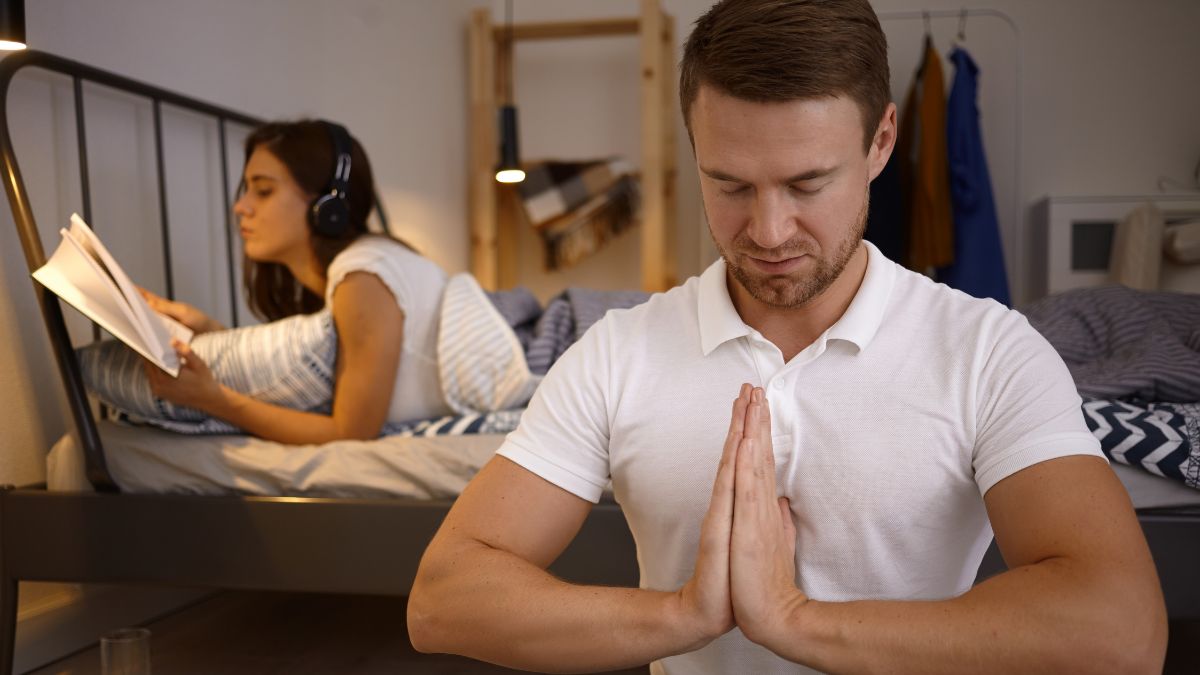
In many difficult situations, there is often one person who remains composed while others react with visible emotion. This individual may organize solutions, provide reassurance, and maintain a steady presence when tensions rise. Psychology suggests that while this calm behavior can reflect strong coping skills, it can also be connected to early life experiences where emotional expression was not welcomed or acknowledged.
For some individuals, learning to remain calm in stressful moments began during childhood. When emotions were discouraged or ignored in the family environment, children may have adapted by suppressing their own feelings in order to maintain stability or avoid conflict.
Early Environment
Children learn how to express and regulate emotions largely through the responses of the adults around them. When caregivers respond with understanding and support, children typically learn that emotions are acceptable and manageable.
However, in some households, emotional expression may be viewed as disruptive or inconvenient. Children might hear phrases such as “Do not make things worse” or “Stay quiet while we deal with this.” Over time, these experiences can communicate that emotions have little space in difficult situations.
In response, some children begin to focus on remaining calm and composed rather than expressing what they feel.
Adaptation
Adapting to the emotional tone of the environment is a common developmental process. When stability in a household depends on someone remaining calm, a child may take on that role earlier than expected.
This adaptation can involve observing situations carefully, avoiding emotional reactions, and focusing on practical solutions. In many cases, these individuals become skilled at maintaining control during stressful events.
While this ability can be valuable, it sometimes develops from the belief that personal emotions must be set aside for the sake of order or safety.
Emotional Patterns
As adults, these individuals are often recognized for their reliability during crises. Friends, colleagues, or family members may depend on them to remain level headed when circumstances become difficult.
Common patterns may include:
- Responding to problems with logic and structure
- Avoiding visible emotional reactions during stress
- Taking responsibility for stabilizing situations
- Feeling uncomfortable expressing vulnerability
These patterns can create the image of a person who rarely becomes overwhelmed.
Effects
Remaining calm under pressure can be an important strength. However, when emotional expression has been consistently suppressed, it may also create challenges in recognizing or communicating personal feelings.
| Behavior | Possible Experience |
|---|---|
| Staying calm in conflict | Prioritizing stability over expression |
| Supporting others emotionally | Difficulty sharing personal emotions |
| Problem solving quickly | Focusing on solutions instead of feelings |
| Emotional restraint | Habit of minimizing personal reactions |
This does not mean that calm individuals lack emotional depth. Instead, they may have developed habits that place emotional needs in the background.
Awareness
Knowing how these patterns develop can help individuals recognize their own emotional habits. Being calm in difficult moments is not inherently problematic. In many situations, it can be a valuable quality.
However, awareness allows people to consider whether their calmness also includes room for their own emotional experiences. Recognizing personal feelings, discussing them with trusted people, or allowing time for reflection can help create a more balanced emotional approach.
Balance
Emotional balance does not require abandoning calmness or control. Rather, it involves recognizing that stability and emotional expression can coexist.
Individuals who have long served as the steady presence in challenging situations often benefit from environments where their own emotions are acknowledged and respected. Over time, this balance can strengthen both resilience and emotional knowing.
In this way, the person known as “the calm one” in a crisis may still maintain their composure while also allowing space for their own experiences and feelings.
FAQs
Why are some people calm during crises?
Early experiences may have taught them to suppress emotions.
Is staying calm a coping skill?
Yes, it can help manage stressful situations.
Can childhood shape emotional responses?
Yes, family reactions influence emotional habits.
Do calm people lack emotions?
No, they may simply express emotions differently.
How can emotional balance improve?
By recognizing and expressing feelings when needed.