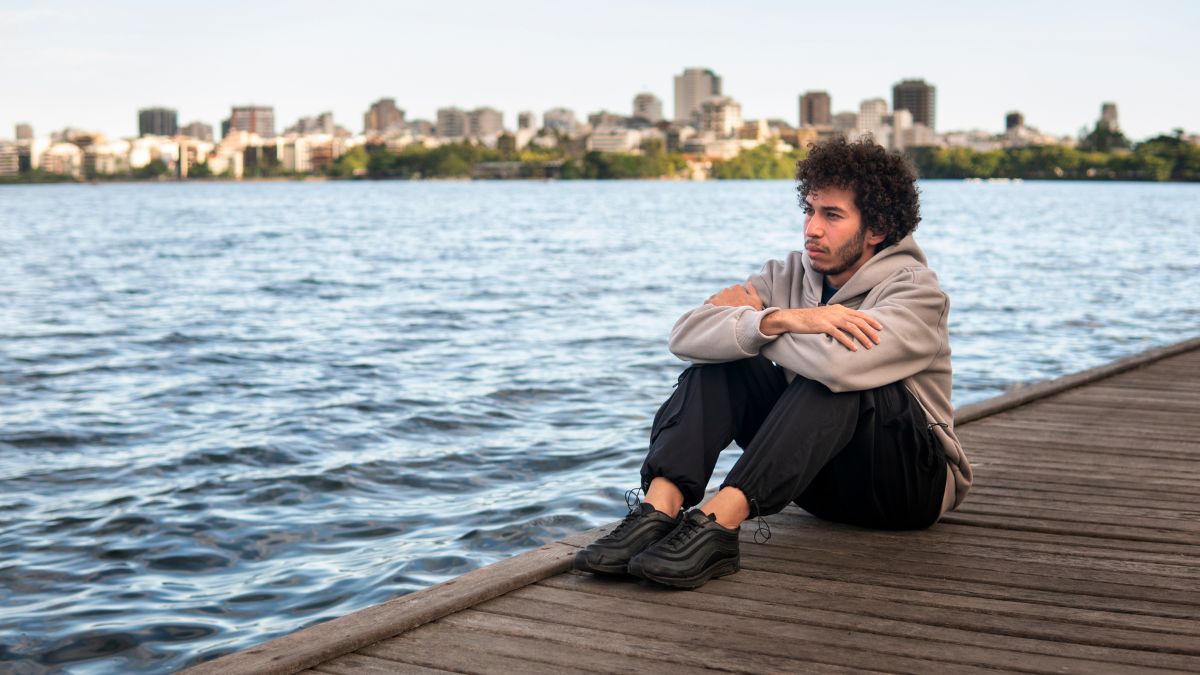
Loneliness is commonly associated with physical isolation or a lack of social contact. However, psychological research suggests that loneliness can also occur in individuals who are surrounded by others and appear emotionally strong.
In some cases, the most difficult form of loneliness is experienced by people who learned early in life how to appear resilient, independent, and emotionally composed. These individuals may develop the ability to manage challenges quietly, but this strength can sometimes create barriers to expressing vulnerability and receiving emotional support.
Loneliness
Loneliness is a subjective emotional experience rather than simply a measure of how many people someone knows. A person can have many relationships yet still feel deeply alone if they do not feel understood or emotionally supported.
Psychologists often describe loneliness as the gap between desired emotional connection and the connection a person actually experiences. When individuals feel unable to share their inner struggles with others, that gap can become significant even within close relationships.
For individuals who appear strong and self-sufficient, this gap may remain hidden from others.
Strength
Strength is often associated with qualities such as resilience, independence, and emotional control. Many societies encourage these traits, particularly in situations involving responsibility or hardship.
Children who learn early to manage difficult circumstances may develop strong coping skills. They might take on responsibilities within the family, support others emotionally, or handle challenges without showing distress.
While these abilities can foster resilience, they may also lead individuals to believe that expressing vulnerability is inappropriate or unnecessary.
Childhood
Early life experiences often shape how people manage emotions and relationships. In some families, children learn that displaying strength earns approval or recognition.
For example, a child who remains calm during stressful situations or supports other family members emotionally may receive praise for being responsible or mature. Over time, the child may internalize the belief that emotional strength is expected at all times.
As a result, expressing sadness, fear, or uncertainty may feel uncomfortable or even unacceptable.
Expression
One challenge for individuals who learned to appear strong is difficulty expressing emotional needs. If someone has spent years presenting themselves as capable and self-reliant, sharing vulnerability may feel unfamiliar or risky.
Others may also reinforce this pattern by assuming the person does not need support. Friends, colleagues, or family members might admire their strength but may not realize that the individual is experiencing emotional strain.
This dynamic can unintentionally reduce opportunities for meaningful emotional connection.
Isolation
The combination of emotional self-reliance and limited vulnerability can create a subtle form of isolation. Individuals may maintain many relationships while still feeling that certain parts of their experience remain unseen.
The following table summarizes how early patterns of strength may influence feelings of loneliness.
| Early Pattern | Learned Belief | Possible Adult Experience |
|---|---|---|
| Managing problems alone | Support is not necessary | Hesitation to ask for help |
| Receiving praise for resilience | Strength must be maintained | Avoiding vulnerability |
| Providing emotional support to others | Personal needs are secondary | Emotional fatigue |
| Hiding distress | Feelings should remain private | Internalized loneliness |
These patterns do not always lead to loneliness, but they can increase the likelihood of emotional isolation if individuals rarely share their internal experiences.
Connection
Authentic connection often develops when individuals feel safe expressing both strengths and struggles. When people share personal experiences honestly, relationships can become deeper and more supportive.
For individuals who have long presented themselves as strong, allowing small moments of openness can gradually change relationship dynamics. This does not require abandoning resilience but rather balancing strength with emotional honesty.
Over time, trusted relationships can provide spaces where vulnerability is accepted rather than judged.
Awareness
Knowing the connection between early experiences and present emotional patterns can help individuals recognize hidden loneliness. Psychological awareness allows people to question beliefs that equate strength with constant self-reliance.
Many people discover that expressing vulnerability does not weaken relationships but instead strengthens trust and mutual understanding.
Learning to receive support can be as important as offering it to others.
Psychology suggests that individuals who learned early in life to appear strong may sometimes experience a deeper form of loneliness. Their ability to handle challenges independently can create expectations, both internal and external, that make vulnerability difficult to express.
By recognizing these patterns and gradually allowing space for openness, individuals can develop more balanced relationships where strength and emotional connection coexist.
FAQs
What is emotional loneliness?
Feeling unseen or unsupported despite having relationships.
Why do strong people feel lonely?
They may hide vulnerability and rarely ask for support.
Can childhood experiences affect loneliness?
Yes. Early expectations about strength can shape behavior.
Is vulnerability important in relationships?
Yes. It helps build deeper emotional connections.
Can people learn to share emotions later in life?
Yes. Awareness and practice can improve openness.