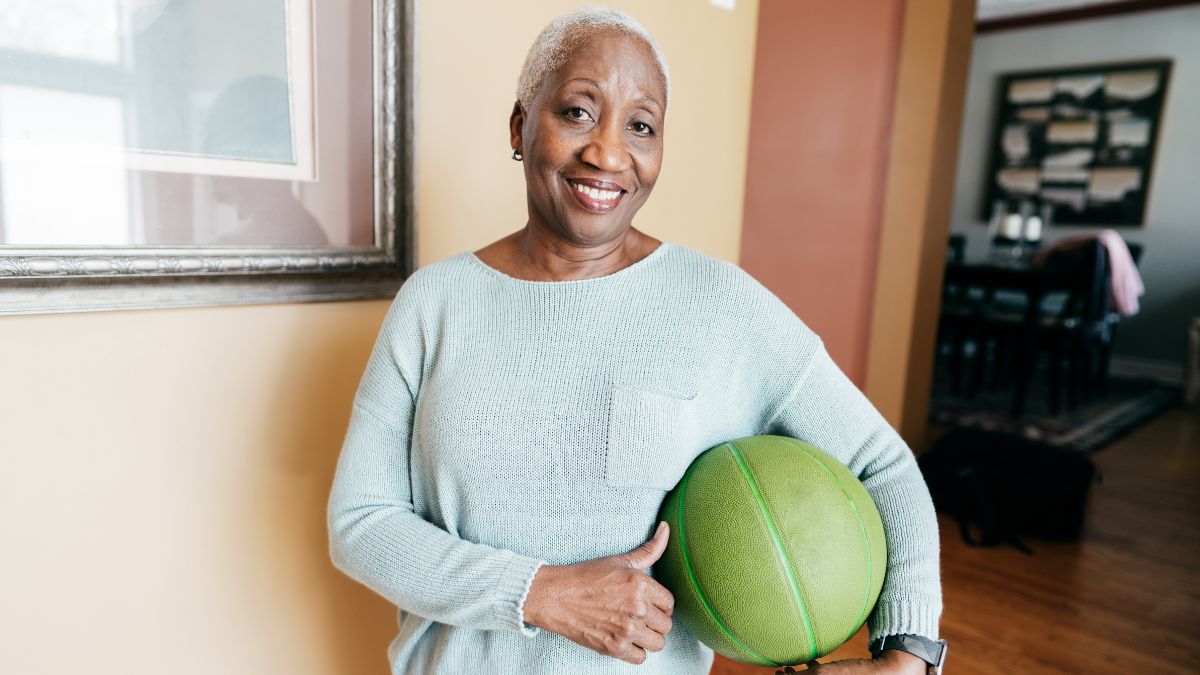
Reaching the age of 60 or 70 with good physical health is often associated with discipline, exercise, and healthy eating. While these factors are important, psychologists and aging researchers say the picture is more complex. Physical functionality in later life is shaped not only by habits, but also by beliefs about aging, emotional health, social relationships, genetics, and long-term lifestyle patterns.
Research in health psychology and longevity increasingly shows that aging well is influenced by a combination of biological, emotional, and environmental factors accumulated across decades. Some people maintain mobility, independence, and mental sharpness well into older age, while others experience earlier physical decline despite having similar routines.
According to psychologists, healthy aging is less about perfection and more about consistent behaviours, supportive environments, and the way individuals interpret the aging process itself.
Aging
Psychology views aging as both a biological and psychological process.
The way people think about growing older can directly influence behaviour and physical health. Studies suggest that individuals who see aging only as a period of decline may gradually reduce movement, social interaction, and self-care habits over time.
By contrast, people who view old age as an active and meaningful stage of life are often more likely to maintain healthy routines.
These routines may include:
- Regular walking
- Balanced eating habits
- Sleep care
- Social interaction
- Stress management
Researchers note that small behaviours repeated consistently for years can significantly affect physical functionality later in life.
Beliefs
Beliefs about the body and aging play a major role in long-term health outcomes.
Health psychologists explain that expectations influence motivation. Someone who believes movement remains important in old age is more likely to stay physically active over time.
This pattern is sometimes called a self-fulfilling cycle.
| Belief About Aging | Possible Behaviour |
|---|---|
| “Aging means decline” | Reduced activity |
| “Movement helps independence” | More daily exercise |
| “It is too late to improve health” | Less motivation |
| “Small habits matter” | Greater consistency |
These mental frameworks often shape daily decisions long before old age begins.
Routine
Experts in longevity research frequently emphasise the importance of routine rather than short-term discipline.
People who age with greater autonomy often follow stable patterns across many years instead of relying on intense but temporary efforts.
Common routines linked to healthier aging include:
- Consistent sleep schedules
- Moderate physical activity
- Nutritious diets
- Preventive healthcare
- Emotional regulation habits
Psychologists note that routines reduce decision fatigue and make healthy behaviours easier to sustain over time.
This consistency may help preserve physical functionality, mobility, and emotional balance during aging.
Emotions
Emotional health also influences physical aging.
Chronic stress, unresolved anxiety, and emotional exhaustion can affect sleep, immune function, cardiovascular health, and overall energy levels.
Researchers studying emotional regulation have found that people who manage stress more effectively often maintain healthier daily behaviours as they age.
Emotional self-regulation may support:
| Emotional Skill | Potential Benefit |
|---|---|
| Stress management | Better sleep quality |
| Emotional balance | Lower fatigue |
| Social connection | Reduced isolation |
| Adaptability | Greater resilience |
Psychologists also point out that emotional flexibility becomes increasingly important during later stages of life, when individuals may face retirement, health concerns, or changes in routine.
Support
Social relationships are another major factor associated with healthy aging.
Strong support networks often encourage movement, routine, and emotional stability. Family members, friendships, community groups, and social activities may help reduce isolation and maintain cognitive engagement.
Older adults with active social lives frequently report:
- Greater motivation
- Better mood
- Higher physical activity levels
- Improved mental well-being
Researchers suggest that social interaction can indirectly influence physical health by encouraging consistency in daily habits and reducing emotional stress.
Isolation, by contrast, has been linked in several studies to declining mental and physical health outcomes.
Genetics
Psychology and biology researchers also recognise the role of genetics in aging.
Genes influence how the body repairs cells, processes inflammation, and responds to disease over time. This partly explains why some individuals maintain strong mobility and physical health into their 80s, while others develop chronic conditions earlier.
However, genetics alone does not determine aging outcomes.
Modern longevity research increasingly focuses on epigenetics, which examines how lifestyle and environmental factors influence gene expression.
Factors that may affect long-term aging include:
- Diet quality
- Exposure to pollution
- Stress levels
- Sleep patterns
- Physical activity
- Smoking and alcohol use
This means that people with similar genetic backgrounds may still experience very different aging trajectories depending on life experiences and habits.
Movement
One of the most consistent findings in aging research involves movement.
Experts emphasise that regular physical activity supports not only muscles and joints, but also emotional and cognitive health.
Importantly, healthy aging does not necessarily require intense exercise routines. Moderate and consistent movement often provides meaningful benefits.
Activities commonly linked to healthy aging include:
- Walking
- Stretching
- Light strength exercises
- Gardening
- Recreational sports
Psychologists note that people who integrate movement naturally into daily life may find it easier to maintain activity levels across decades.
Balance
Researchers caution against oversimplifying healthy aging into a question of willpower alone.
Not everyone begins with the same physical condition, access to healthcare, financial stability, or life circumstances. Chance, illness, injuries, and social inequality also shape aging outcomes.
Still, psychology suggests that long-term patterns matter. Repeated small choices, emotional resilience, supportive relationships, and stable routines can gradually improve the chances of maintaining independence later in life.
Healthy aging is therefore best understood as the result of multiple interacting factors rather than a single formula. Genetics, mindset, emotional health, social support, and daily habits all contribute to how people experience their later years.
For many individuals, staying active in their 60s and 70s is less about extreme discipline and more about building sustainable behaviours that support both body and mind over time.
FAQs
Does healthy aging depend only on discipline?
No, genetics, mindset, and lifestyle also matter.
Can beliefs affect physical aging?
Yes, attitudes toward aging may influence behaviour.
Why is routine important in old age?
Stable habits support long-term physical health.
Do social relationships affect longevity?
Research links strong social ties to better health.
What is epigenetics in aging?
It studies how lifestyle affects gene expression.