Biotech Labeling Regulations and Disclosure Rules
Biotech labeling regulations and disclosure rules in US healthcare

Biotech labeling regulations and disclosure rules in the United States sit at the intersection of regulatory compliance, patient safety, and commercial transparency. For biotechnology companies, labeling is not merely a packaging requirement but a legally enforceable communication tool that defines how products are prescribed, administered, and monitored. The Food and Drug Administration establishes strict frameworks … Read more

International Clinical Trial Harmonization Efforts

International clinical trial harmonization and regulatory alignment across global biotech research

International clinical trial harmonization efforts have become a strategic priority for regulators, sponsors, and global health institutions seeking to streamline drug development while maintaining rigorous safety and efficacy standards. As clinical research expands across geographies, inconsistencies in regulatory expectations, data requirements, and trial conduct have historically introduced delays and increased costs. Harmonization initiatives aim to … Read more

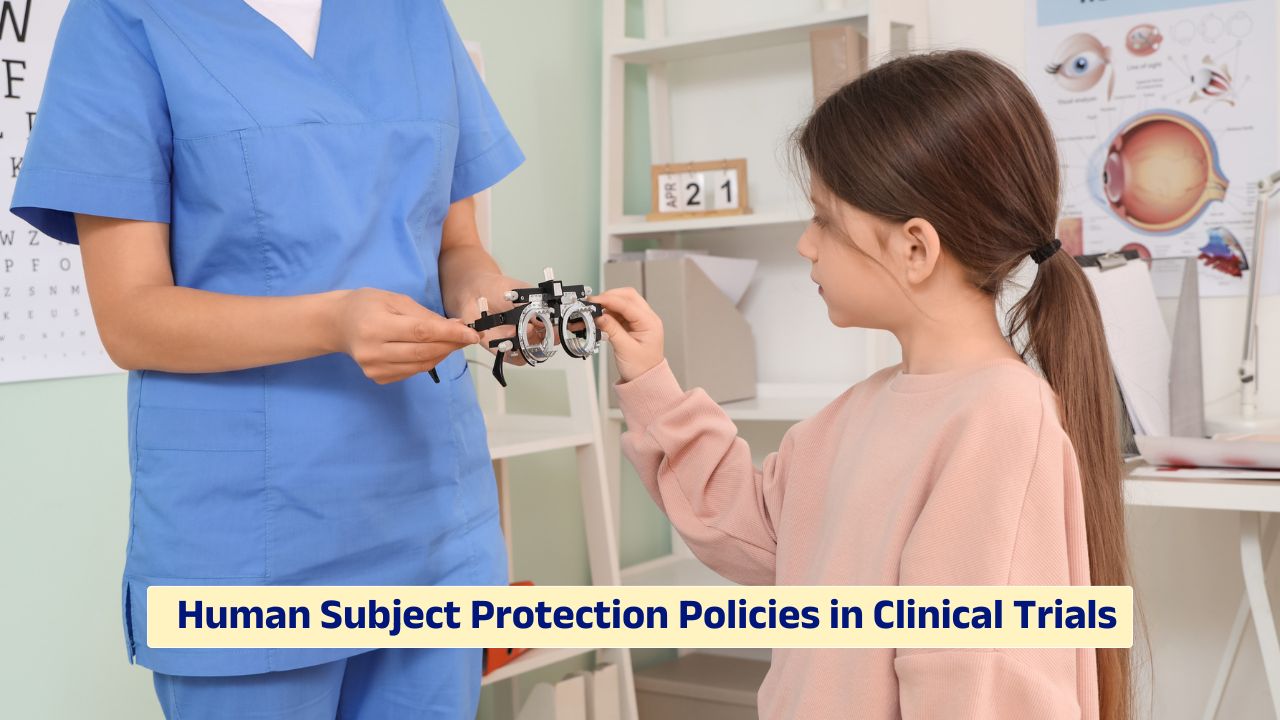
Human Subject Protection Policies in Clinical Trials

Human subject protection policies in clinical trials ensuring ethical compliance

Human subject protection policies are foundational to the ethical and regulatory conduct of clinical trials in the United States. These policies ensure that individuals participating in research are safeguarded from undue risk while enabling scientific advancement. As clinical development becomes increasingly complex, particularly in areas such as gene therapy and precision medicine, regulatory expectations around … Read more

Data Integrity Regulations in Clinical Research

Data integrity regulations in clinical research and FDA compliance frameworks

Data integrity regulations in clinical research have become a central focus for US regulators and industry stakeholders as digital systems, decentralized trials, and complex data ecosystems expand. Ensuring that clinical data is accurate, complete, and reliable is essential not only for regulatory approval but also for maintaining public trust in biomedical innovation. In an environment … Read more

Intellectual Property Protection in Biotechnology

Intellectual property protection in biotechnology and regulatory strategy

Intellectual property protection in biotechnology sits at the intersection of scientific innovation, regulatory oversight, and commercial strategy. In the United States, where biotech innovation is heavily driven by venture funding and institutional research, robust IP frameworks are essential for securing market exclusivity and enabling long-term return on investment. From gene therapies to biologics, the ability … Read more

FDA Inspection Readiness for Healthcare Companies

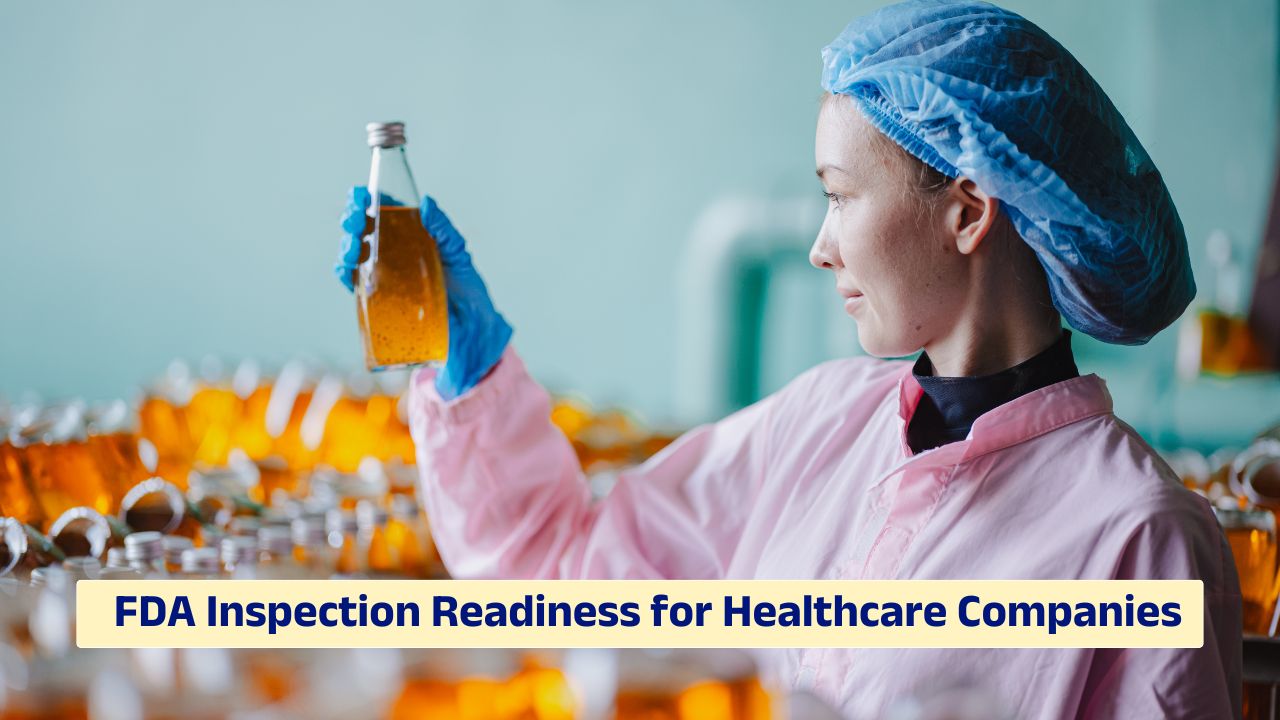
FDA inspection readiness process in healthcare company compliance environment

FDA inspection readiness has become a strategic imperative for healthcare companies operating in the United States, particularly as regulatory scrutiny intensifies across clinical development, manufacturing, and post-market surveillance. Inspections conducted by the Food and Drug Administration are not merely compliance exercises; they are decisive events that can influence product approvals, commercialization timelines, and corporate reputation. … Read more

Environmental Health Standards in Medical Production

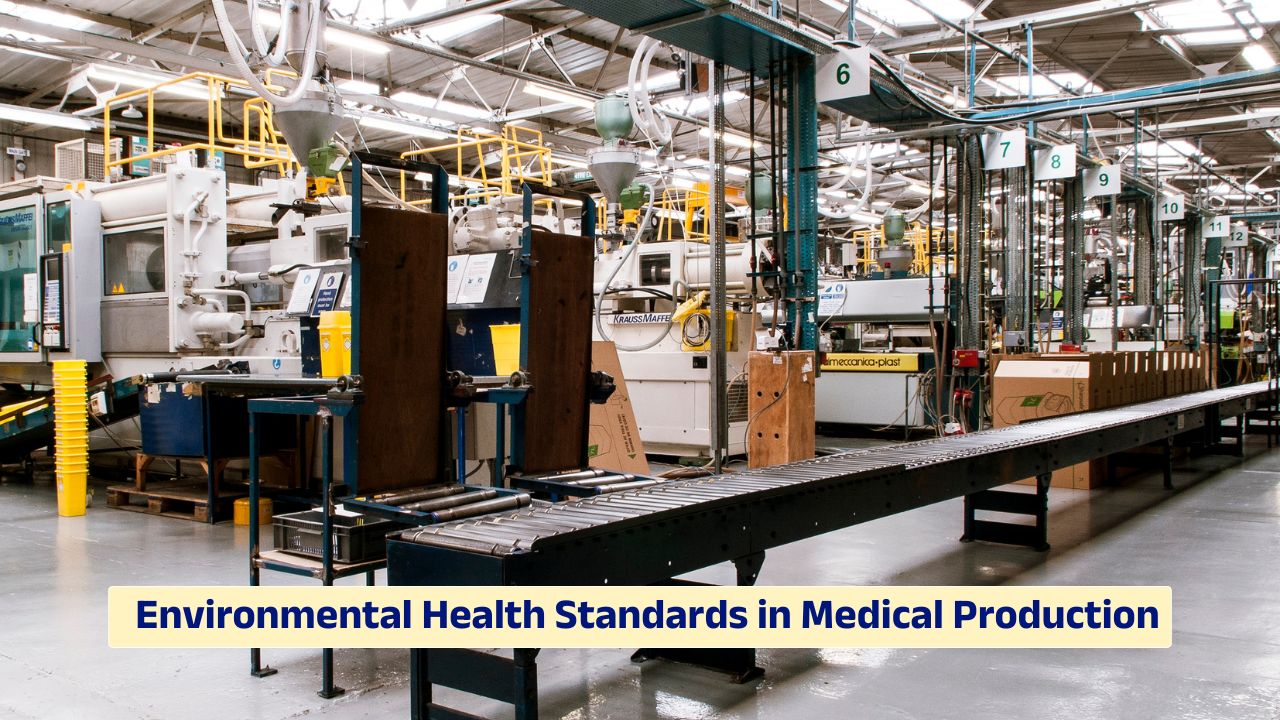
Environmental health standards in medical production and sustainable cleanroom manufacturing

Environmental health standards in medical production have become a critical focus within the United States as regulators, manufacturers, and healthcare systems align on sustainability, safety, and compliance. Increasing scrutiny from federal agencies and growing investor expectations are pushing life sciences companies to integrate environmentally responsible practices across the manufacturing lifecycle without compromising product quality or … Read more

Compliance Audits in Biomanufacturing Facilities

Compliance audits in biomanufacturing facilities ensuring FDA regulatory standards

Compliance audits in biomanufacturing facilities have become increasingly central to ensuring product quality, patient safety, and regulatory alignment within the US biotechnology sector. As biologics, cell therapies, and advanced modalities expand across clinical and commercial pipelines, manufacturers must operate within strict Good Manufacturing Practice frameworks. Audits are no longer periodic checkpoints but continuous, risk-based processes … Read more

US Medical Device Classification System Overview

US medical device classification system overview and FDA regulatory pathways

The US medical device classification system is a foundational regulatory framework that determines how medical devices are evaluated, approved, and monitored before entering the market. Overseen by the Food and Drug Administration, this system categorizes devices based on risk, intended use, and level of control required to ensure safety and effectiveness. For manufacturers, investors, and … Read more

NIH Grant Application Strategies for Startups

NIH grant application strategies for startups and biotech funding pathways

Securing funding through the National Institutes of Health represents a pivotal milestone for early-stage biotechnology startups in the United States. Unlike venture capital, NIH grants offer non-dilutive financing that supports high-risk, high-impact scientific innovation. However, the application process is highly competitive, requiring startups to align scientific rigor with federal funding priorities while demonstrating a credible … Read more