Post-Approval Monitoring Requirements for Biotech Firms
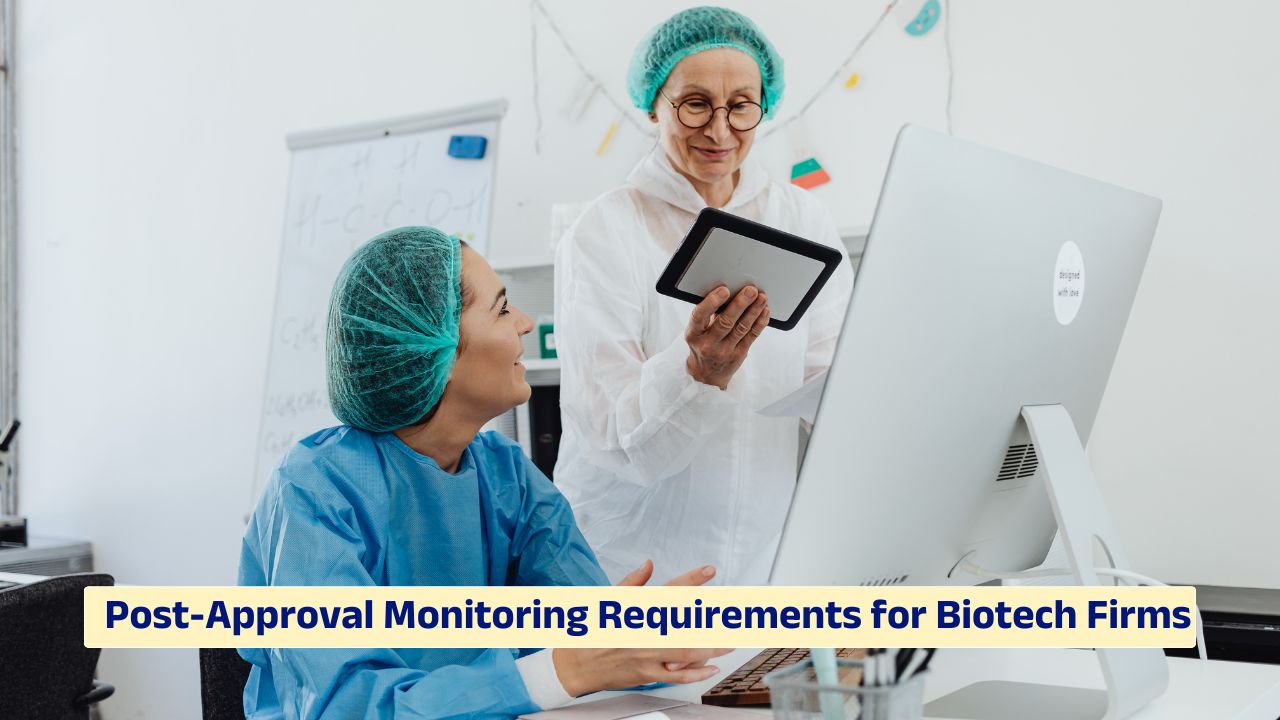
Post-approval monitoring requirements for biotech firms and FDA compliance processes

Post-approval monitoring has become a central regulatory and commercial obligation for biotech firms operating in the United States. Following product approval, companies must generate ongoing evidence to confirm safety, effectiveness, and real-world performance. This phase is increasingly scrutinized by regulators, payers, and healthcare providers, particularly for advanced biologics, gene therapies, and precision medicines entering the … Read more

Fast Track vs Breakthrough Therapy Designation

Fast Track vs Breakthrough Therapy designation regulatory comparison in biotech

Fast Track and Breakthrough Therapy designations represent two of the most strategically important expedited pathways within the US drug development framework, both administered by the Food and Drug Administration. While they share a common objective of accelerating therapies for serious conditions, their evidentiary thresholds, regulatory privileges, and commercialisation implications differ in ways that directly impact … Read more

Regulatory Documentation for Medical Textile Manufacturers

regulatory documentation process for medical textile manufacturers in US healthcare

Regulatory documentation for medical textile manufacturers in the United States has become increasingly complex as innovation in wound care, implantable fabrics, and antimicrobial materials accelerates. These products often fall under the medical device category, requiring structured compliance with federal frameworks. For manufacturers, regulatory documentation is not a procedural obligation but a strategic function that directly … Read more

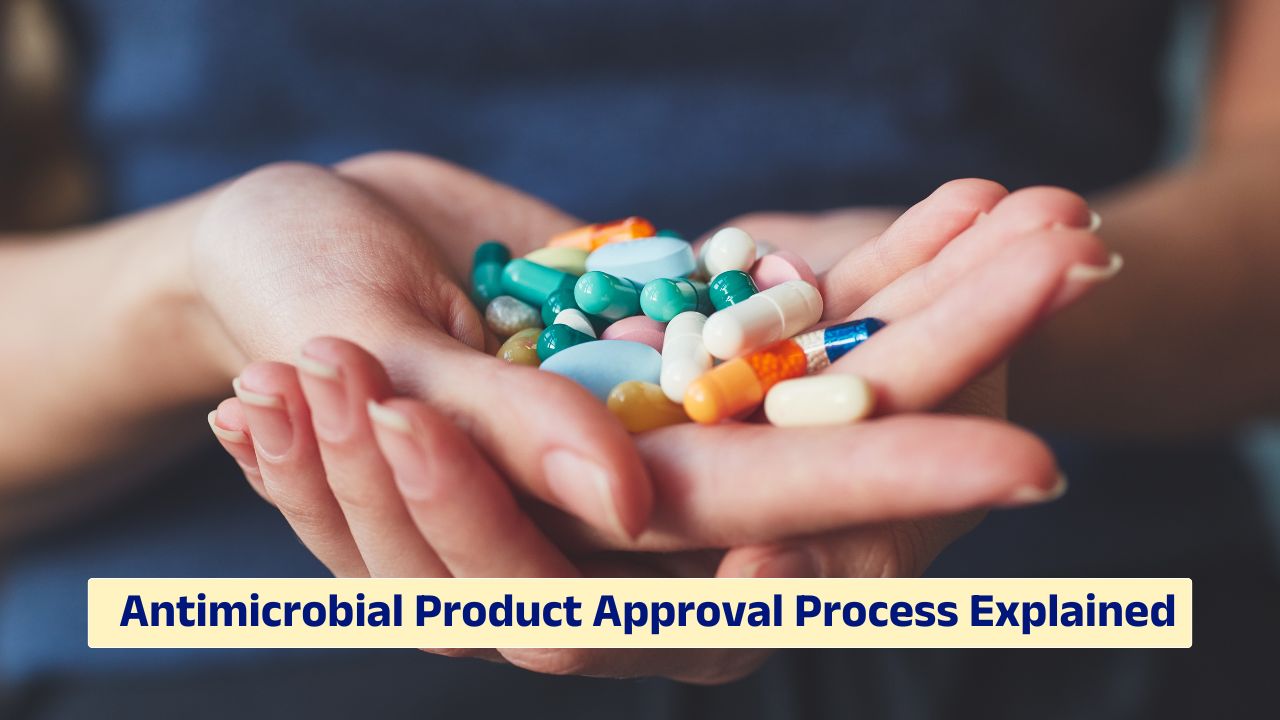
Antimicrobial Product Approval Process Explained

antimicrobial drug development laboratory

The antimicrobial product approval process in the United States reflects one of the most rigorous regulatory pathways in modern healthcare. Antimicrobial agents, including antibiotics, antivirals, antifungals, and antiparasitics, must demonstrate clear safety, clinical effectiveness, and manufacturing quality before reaching the market. Given the growing threat of antimicrobial resistance, regulators also evaluate how new therapies address … Read more

Clinical Trial Diversity Requirements in 2026

clinical trial diversity requirements shaping biotech regulatory strategy in 2026

Clinical trial diversity requirements are becoming a central component of regulatory expectations in the United States as the biomedical industry moves into 2026. Historically, clinical research populations have often failed to reflect the demographic composition of the patients who ultimately use approved therapies. In response, regulators, policymakers, and research institutions are strengthening expectations for inclusive … Read more

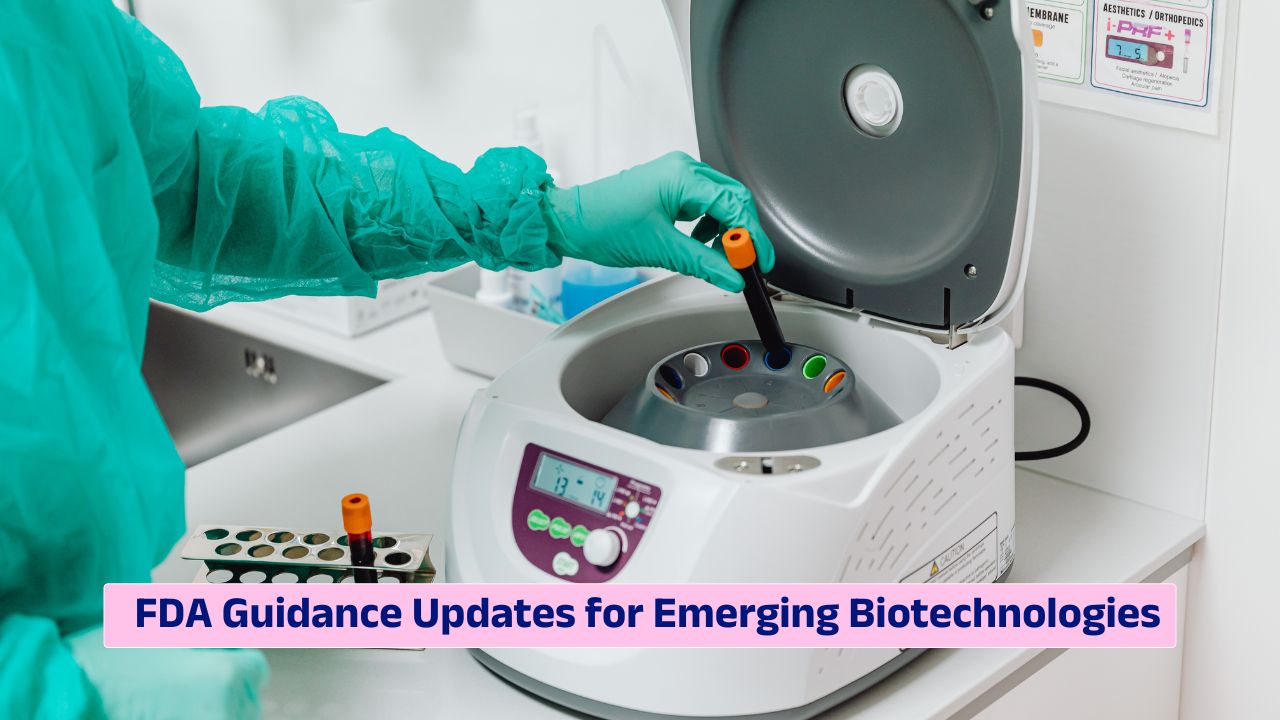
FDA Guidance Updates for Emerging Biotechnologies

FDA Guidance Updates for Emerging Biotechnologies and regulatory oversight of advanced therapies

FDA guidance updates for emerging biotechnologies continue to shape how innovative therapies and advanced biological platforms move from laboratory research to regulated clinical use in the United States. As new therapeutic modalities advance rapidly, the regulatory environment must evolve to address scientific complexity, manufacturing challenges, and long-term patient safety considerations. In recent years, the US … Read more

International Regulatory Alignment in Biotechnology

International regulatory alignment in biotechnology supporting global biotech development and regulatory cooperation

International regulatory alignment in biotechnology has become increasingly important as the industry expands across global markets. Biotechnology companies frequently develop therapies, diagnostics, and advanced medical technologies intended for patients in multiple regions. However, differing regulatory requirements across countries can complicate product development timelines, clinical trial design, and commercialization strategies. To address these challenges, regulatory agencies … Read more

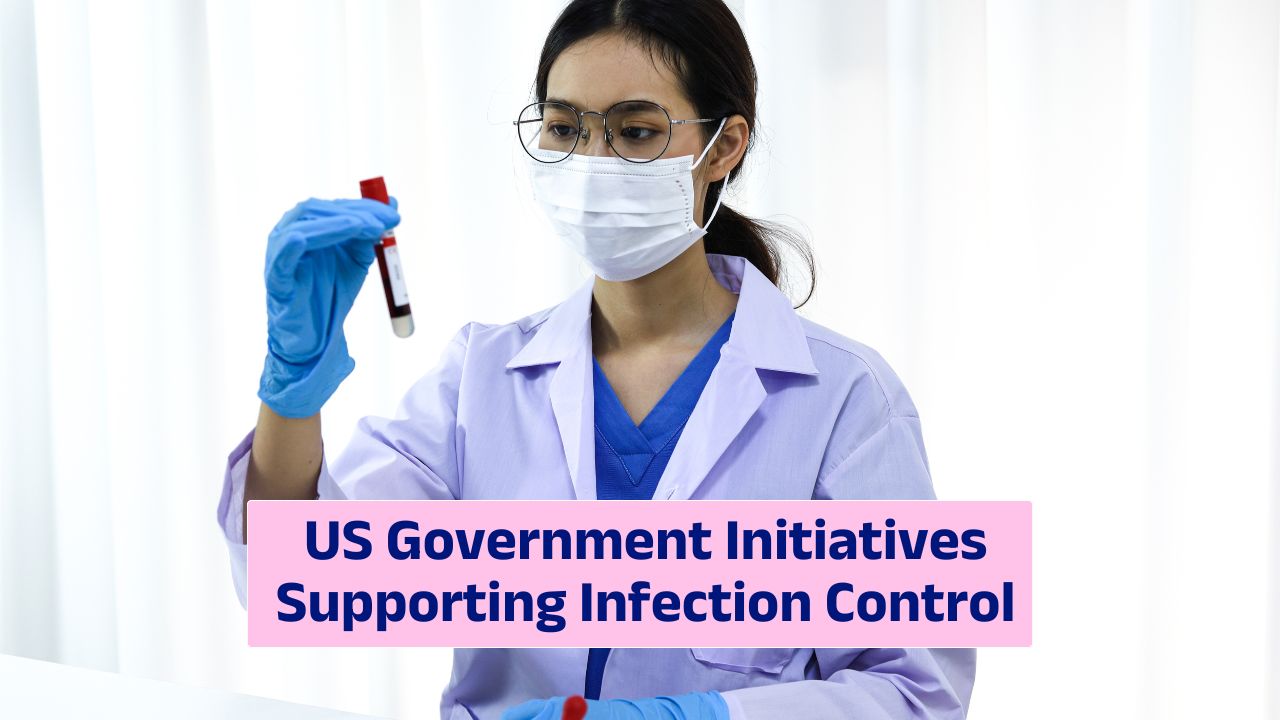
US Government Initiatives Supporting Infection Control

US government initiatives supporting infection control and biotechnology research programs

Infection control remains a central priority within the United States healthcare system, particularly as hospitals and public health agencies continue to address emerging pathogens, antimicrobial resistance, and healthcare-associated infections. Federal initiatives now combine regulatory oversight, research funding, and public health coordination to strengthen infection prevention across clinical environments and community health programs. Government agencies are … Read more

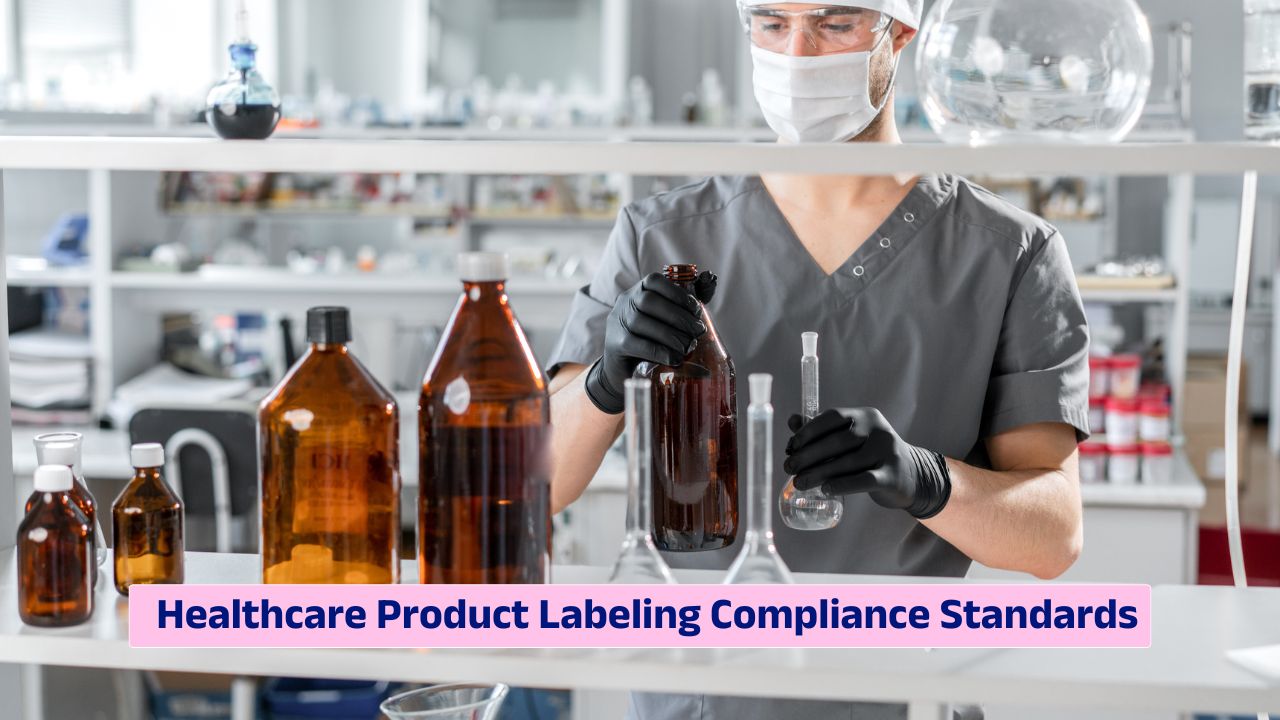
Healthcare Product Labeling Compliance Standards

Healthcare product labeling compliance standards and FDA regulatory labeling requirements

Healthcare product labeling compliance standards play a critical role in the safe distribution and use of pharmaceuticals, biologics, and medical devices in the United States. Labels provide essential information for healthcare professionals, regulators, and patients, ensuring that products are used according to approved indications, dosing instructions, and safety guidelines. As the healthcare industry evolves, regulatory … Read more

Clinical Trial Phase Progression Explained

clinical trial phase progression in biotech drug development research

Clinical trials represent the structured pathway through which new drugs, biologics, and medical technologies are evaluated before reaching patients. In the United States, clinical trial phase progression follows a highly regulated framework designed to ensure safety, scientific validity, and therapeutic effectiveness. Each phase of development builds upon the previous stage, generating increasingly robust data that … Read more