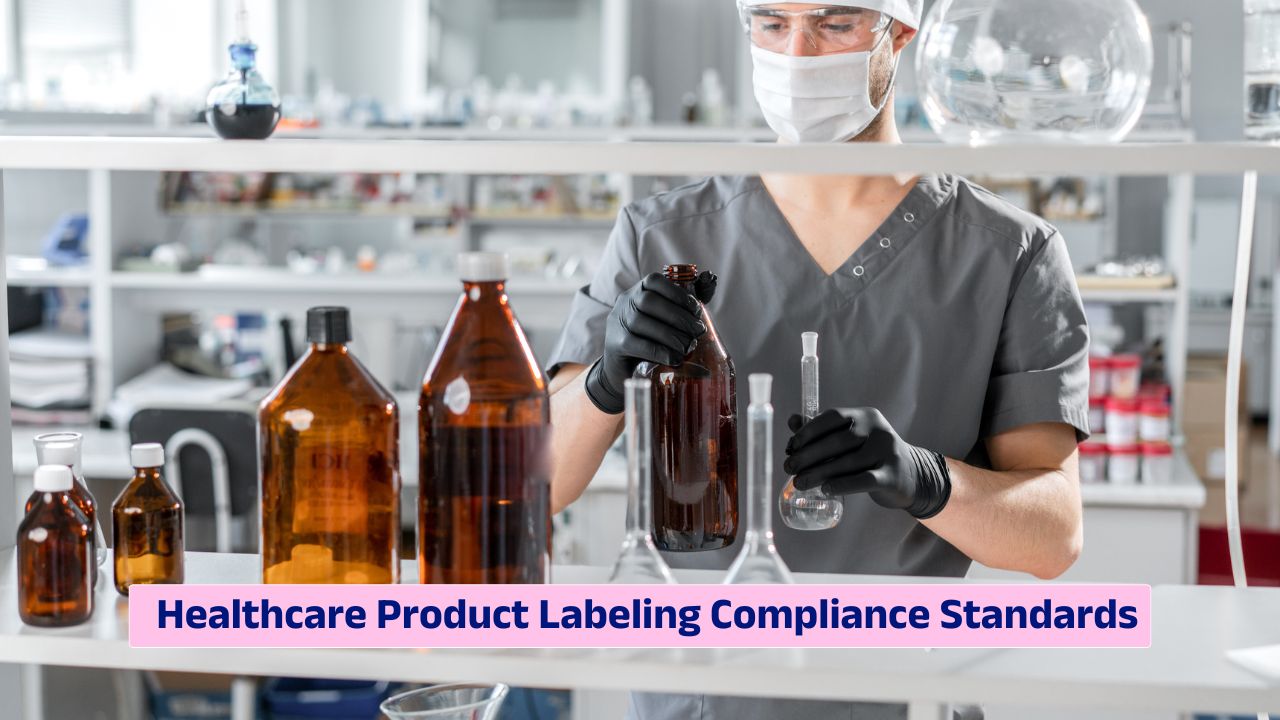
Healthcare product labeling compliance standards play a critical role in the safe distribution and use of pharmaceuticals, biologics, and medical devices in the United States.
Labels provide essential information for healthcare professionals, regulators, and patients, ensuring that products are used according to approved indications, dosing instructions, and safety guidelines.
As the healthcare industry evolves, regulatory authorities have strengthened labeling requirements to improve transparency, risk communication, and traceability.
Manufacturers must design labeling strategies that meet regulatory expectations while supporting accurate product identification and clinical use across complex healthcare delivery systems.
| Key Point | Details |
|---|---|
| Regulatory oversight | Healthcare product labels must comply with regulatory guidance issued by US authorities including the FDA. |
| Safety communication | Labels communicate dosing instructions, contraindications, safety warnings, and approved therapeutic indications. |
| Traceability | Product identifiers and lot tracking information support supply chain integrity and recall management. |
| Digital integration | Electronic labeling and digital documentation are becoming increasingly important for regulatory compliance. |
| Industry impact | Strong labeling compliance helps manufacturers avoid regulatory enforcement actions and maintain market access. |
Framework
In the United States, healthcare product labeling is governed primarily by regulatory requirements established by the Food and Drug Administration. These standards define how pharmaceutical products, biologics, and medical devices must present information regarding safety, efficacy, and approved use.
FDA regulations require manufacturers to ensure that product labels are clear, scientifically accurate, and consistent with approved clinical data. The agency provides detailed guidance on labeling content, structure, and formatting through its drug labeling regulatory guidance, which outlines how prescribing information must be communicated to healthcare providers.
Labeling compliance extends across the entire product lifecycle. Updates may be required when new safety data emerges, regulatory approvals change, or post-market surveillance identifies additional risk information relevant to clinicians and patients.
Content
Healthcare product labels must include multiple layers of information designed to support safe clinical use. Core components typically include indications and usage, dosage recommendations, contraindications, safety warnings, and instructions for proper administration.
For prescription pharmaceuticals, the prescribing information section provides detailed clinical guidance for physicians and pharmacists. This section is often supported by patient-focused materials that summarize key safety information in accessible language.
Medical device labeling also includes technical information such as device operation instructions, storage requirements, and maintenance guidance. These details are essential for ensuring correct device performance within healthcare environments.
Technology
Digital technologies are transforming how labeling compliance is managed across the healthcare industry. Electronic labeling systems allow manufacturers to maintain centralized documentation, track regulatory updates, and distribute revised product information more efficiently.
Structured product labeling formats also support regulatory data exchange between manufacturers and regulatory agencies. These standardized formats help ensure that labeling information is consistent across digital health records, pharmacy systems, and regulatory databases.
According to the FDA structured product labeling program, standardized digital formats improve accessibility and allow healthcare providers to access accurate product information directly within clinical systems.
Compliance
Maintaining labeling compliance requires coordination across regulatory affairs, clinical development, manufacturing, and commercial teams. Organizations must ensure that promotional materials, packaging information, and prescribing guidance remain aligned with approved regulatory documentation.
Failure to maintain accurate labeling can lead to regulatory enforcement actions, product recalls, or restrictions on market distribution. As a result, companies increasingly invest in compliance management systems that monitor labeling updates and maintain regulatory audit readiness.
In a healthcare environment where patient safety and regulatory transparency are central priorities, labeling compliance standards remain a foundational component of responsible product commercialization and long-term market credibility.
FAQs
What are healthcare product labeling compliance standards?
Healthcare product labeling compliance standards are regulatory requirements that ensure pharmaceuticals, biologics, and medical devices include accurate safety, usage, and regulatory information.
Who regulates healthcare product labeling in the United States?
The US Food and Drug Administration regulates healthcare product labeling and establishes requirements for safety information, prescribing details, and approved therapeutic use.
Why is accurate product labeling important in healthcare?
Accurate labeling ensures that healthcare professionals and patients receive reliable information about dosage, risks, contraindications, and proper product use.
What is structured product labeling?
Structured product labeling is a standardized digital format used to organize and transmit regulatory labeling information to healthcare systems and regulatory agencies.
What risks occur if healthcare labeling regulations are not followed?
Noncompliance with labeling standards can lead to regulatory enforcement actions, product recalls, market restrictions, and potential safety risks for patients.