Psychology Insight – Why Some People Step Away Before Responding During Conflict

Psychology

In many workplaces, disagreements unfold quickly. A sharp comment during a meeting, an unexpected criticism from a supervisor, or a tense email exchange can create pressure to respond immediately. While some people react in the moment, others choose a different approach. They step outside, take a few deep breaths, and return to the conversation later. … Read more


Psychology Insight – Why Some Adults Never Bring Their Phone Into the Bedroom

Phone

For many people, smartphones have become part of nearly every daily routine. They serve as alarm clocks, entertainment hubs, work tools, messaging devices, and sources of news. As a result, it is common to see people scrolling through social media before bed or checking notifications moments after waking up. Yet some adults follow a different … Read more

Psychology Insight – Why People Who Arrive Early May Be Protecting Their Peace

Psychology

There is usually one person in every family, workplace, or friend group who seems to arrive early for everything. They reach the airport long before boarding begins, show up to appointments ten minutes ahead of schedule, and rarely appear rushed. To some people, this habit may seem unnecessary. In a world filled with calendars, reminders, … Read more

Psychology Insight – Why Adults Keep a Chair by the Window

Adults

In many homes and workplaces, there is often one chair that seems to have a special purpose. It sits near a window, slightly removed from the busiest parts of the room. People return to it during quiet moments, after demanding meetings, or between tasks that require sustained concentration. To an observer, sitting and looking out … Read more

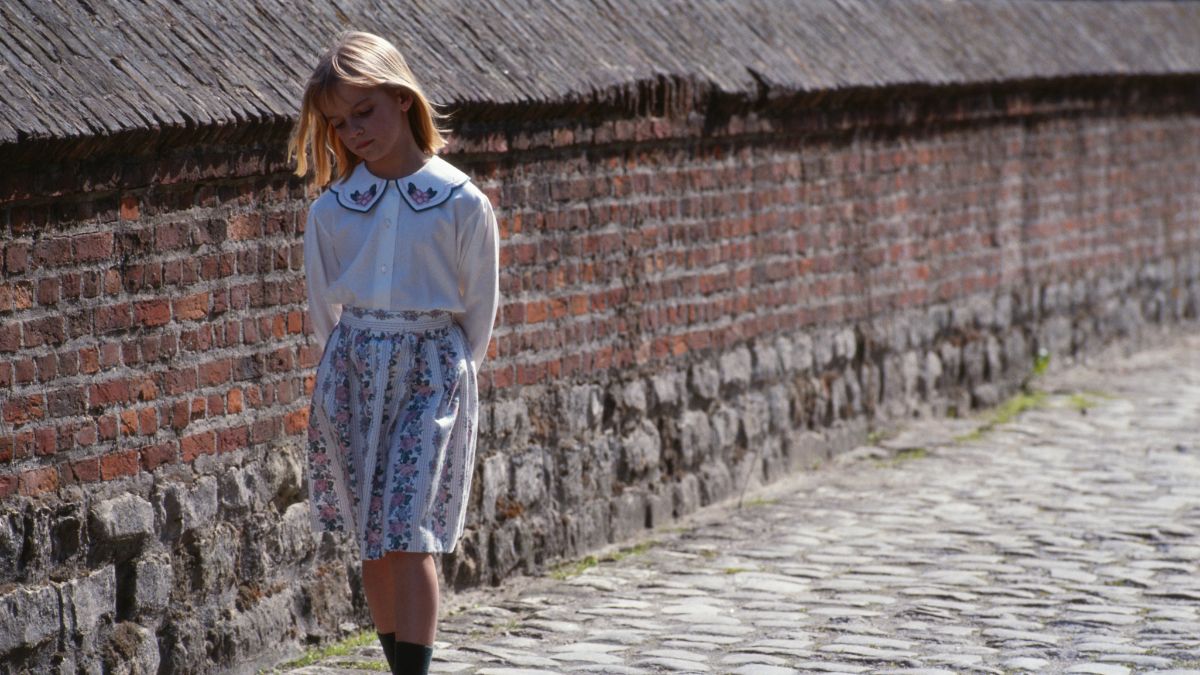
Psychology Insight – Why Some People Walk With Their Hands Behind Their Back

Psychology

Have you ever noticed yourself walking slowly with your hands clasped behind your back while thinking through a problem or reflecting on your day? It is a common sight in parks, museums, school corridors, and quiet neighborhoods. While the posture is sometimes associated with authority or seriousness, psychology offers a more measured explanation. Experts generally … Read more

Why the Blank Page Feels Paralyzing – Psychology Explains Writing Freeze

Psychology

The blank page often appears neutral until someone is expected to fill it. Then it can begin to feel like exposure. Words are expected, judgment feels close, and the first sentence carries more weight than it should. Writing is not only a technical skill. It is also a psychological task that requires tolerance for uncertainty, … Read more

Midlife Emptiness Explained – When Sensible Choices Stop Feeling Chosen

Midlife Emptiness

You are getting enough sleep. The job is manageable. The family is doing well. Nothing is obviously wrong. Yet the word “fine” starts to feel thin, almost hollow. For many people in their forties, this quiet sense of emptiness is familiar, and psychology suggests it is not always burnout. Instead, researchers and behavioral writers increasingly … Read more

Power of an Unasked Message – Why “Thinking of You” Texts Matter Psychologically

Psychologically

Have you ever received a message that simply said, “I was thinking of you,” with no follow-up question or request? No prompt to reply. No expectation to explain your life or make plans. Just a brief signal that, during an ordinary moment, you crossed someone else’s mind. Psychological research suggests that these small, low-pressure gestures … Read more

Why Some Adults Stay Silent Online – Psychology Behind Choosing Not to Post

Silent Online

Adults who never post on social media are often perceived as disengaged, secretive, or unfamiliar with modern digital culture. These assumptions are common, but psychological research suggests they are often inaccurate. In many cases, not posting online reflects an intentional choice about identity, attention, and personal boundaries rather than social withdrawal. Social media platforms are … Read more

Two Misjudged Habits – Psychology Explains Why They Can Signal Intelligence

Two Misjudged Habits

People often rely on quick judgments when assessing intelligence. Instead of examining evidence or cognitive ability, they observe everyday behavior. Talking to oneself may appear unusual. Swearing may be interpreted as a lack of education. These impressions are common, but psychological research offers a more nuanced explanation. Studies in cognitive science and linguistics suggest that … Read more