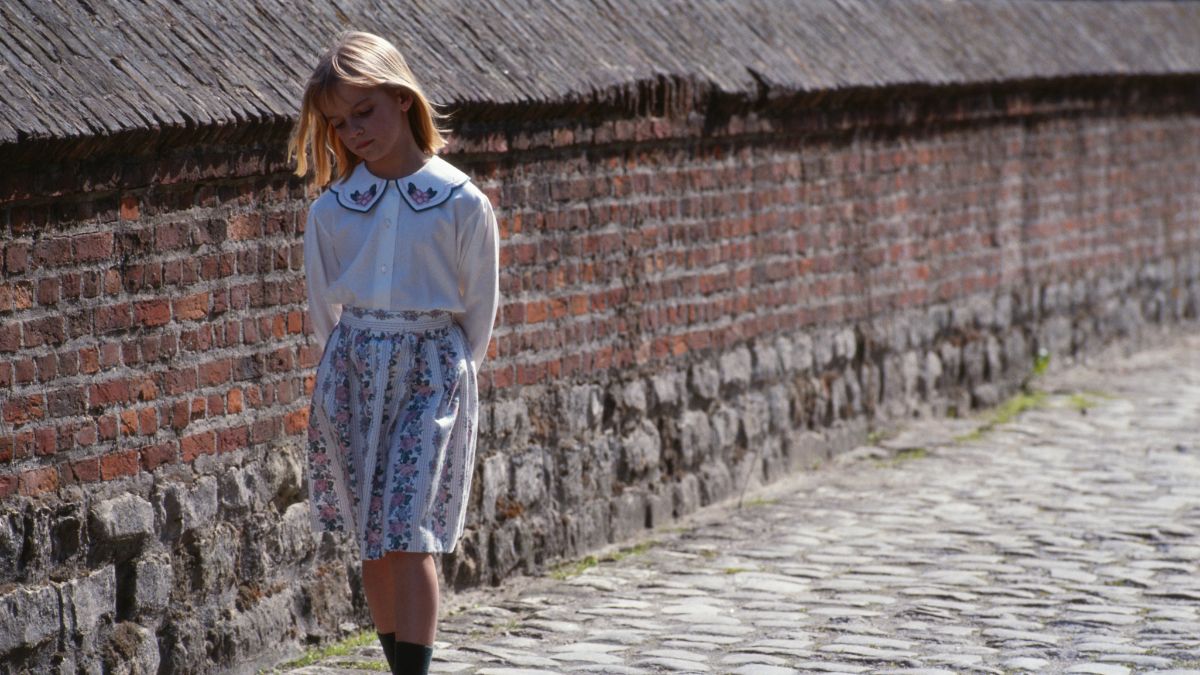
Have you ever noticed yourself walking slowly with your hands clasped behind your back while thinking through a problem or reflecting on your day? It is a common sight in parks, museums, school corridors, and quiet neighborhoods. While the posture is sometimes associated with authority or seriousness, psychology offers a more measured explanation.
Experts generally caution against assigning a fixed meaning to any single body-language gesture. However, walking with hands behind the back can sometimes be connected to reflection, reduced distraction, and a calmer mental rhythm. Rather than revealing a hidden personality trait, the posture may simply be one way people settle into a thoughtful state of mind.
Posture
Body language refers to the ways people communicate thoughts and emotions through movement, posture, and gestures. Yet modern psychological research emphasizes that posture should be interpreted within context.
Walking with hands behind the back is often seen during relaxed situations rather than stressful ones. By moving the hands out of sight and reducing unnecessary gestures, some individuals naturally slow their pace and become more attentive to their surroundings or thoughts.
This does not mean the posture automatically creates calmness. Instead, it may support an environment where reflection feels easier and physical movement becomes less distracting.
Reflection
Many people adopt this stance during moments of observation or contemplation. A person strolling through a museum, watching a landscape, or considering an important decision may instinctively place their hands behind their back.
One possible reason is that the posture limits common hand activities such as tapping, checking a phone, or fidgeting. Without those actions competing for attention, the mind may find it easier to focus on a single train of thought.
In practical terms, the posture can act as a simple adjustment that encourages a slower and more deliberate pace. For some people, that slower rhythm supports clearer thinking.
Walking
Research suggests that walking itself may play a larger role in mental clarity than hand position alone.
A Stanford University study examined the relationship between walking and creativity. Researchers found that walking increased creative output by an average of 60 percent compared with sitting. Participants performed better on tasks that required generating multiple ideas and exploring different possibilities.
The findings are summarized below:
| Activity | Effect on Creativity |
|---|---|
| Sitting | Lower creative performance |
| Walking | Around 60% higher creativity |
| Divergent Thinking Tasks | Significant improvement |
| Convergent Thinking Tasks | Smaller improvement |
The results indicate that physical movement can stimulate certain forms of thinking. A slow walk combined with a comfortable posture may create conditions that support idea generation and mental flexibility.
Rhythm
The hands-behind-the-back posture often encourages a different walking rhythm. People tend to move more slowly and maintain a steadier pace.
This change in movement may influence how attention is directed. Instead of reacting to constant physical activity, the body settles into a simpler pattern. As a result, some individuals report feeling more focused or mentally organized.
The effect is not universal. Different people find comfort in different walking styles. Nevertheless, the posture may help reduce unnecessary movement and create a sense of intentionality during a walk.
Mood
Psychologists have also examined how posture relates to emotional experience.
Research conducted at VU Amsterdam explored the connection between body posture and mood. The study found that participants with a slouched posture experienced greater difficulty recovering from negative emotional states compared with those maintaining a straighter posture.
The findings do not suggest that posture alone determines mood. Emotional well-being is influenced by many factors, including environment, health, relationships, and life circumstances. However, posture may contribute to how people process and manage emotional experiences.
Walking with hands behind the back is often accompanied by an upright stance and measured pace. For some individuals, this combination may support a sense of composure and stability.
Attention
Research has also explored how hand placement affects attention.
A 2012 study published in Experimental Brain Research investigated how different arm positions behind the body influenced tactile attention. Researchers found that the brain’s allocation of attention changed depending on the placement of the hands.
Importantly, the study was not designed to identify personality traits or emotional states. Instead, it demonstrated that the brain continuously tracks body position and uses that information when processing sensory information.
This finding highlights a broader principle in psychology: the body and mind work together. Physical posture can influence attention, perception, and awareness in subtle ways.
Context
One of the most important lessons from modern body-language research is that no single gesture should be treated as a reliable code.
A person walking with hands behind their back may be doing so for many different reasons:
| Possible Explanation | Description |
|---|---|
| Reflection | Thinking through ideas or decisions |
| Observation | Paying close attention to surroundings |
| Habit | A learned or long-standing behavior |
| Comfort | A natural and comfortable posture |
| Reduced Fidgeting | Limiting unnecessary hand movement |
| Stretching | Relieving tension in shoulders or arms |
Because of these possibilities, context remains essential. The same posture can have different meanings depending on the person’s environment, purpose, and emotional state.
A school principal observing a hallway, a retiree enjoying a morning walk, and a visitor exploring a museum may all appear similar while experiencing very different thoughts and emotions.
Practical
For people interested in experimenting with the habit, a short walk with hands loosely behind the back may be worth trying.
The goal is not to force a particular posture or create a specific emotion. Instead, it is an opportunity to observe whether a slower pace and reduced hand movement affect concentration, breathing, or mental clarity.
Some individuals may find the posture relaxing and helpful. Others may prefer a natural arm swing. Personal comfort should always take priority, especially for those with shoulder discomfort, mobility concerns, or balance issues.
Walking with hands behind the back is not a hidden psychological signal or a reliable indicator of personality. Research suggests that walking can support creative thinking, posture may influence mood, and body position can affect attention. Together, these findings help explain why this familiar habit often appears during moments of observation, reflection, and quiet thought. In many cases, the gesture simply reflects a person’s effort to create a little more mental space while moving through their day.
FAQs
Does this posture indicate deep thinking?
Sometimes, but context is important.
Can walking improve creativity?
Research suggests walking can boost creativity.
Does posture affect mood?
Studies indicate posture may influence mood.
Is it a sign of confidence?
It can appear confident, but meanings vary.
Should I try this walking style?
If comfortable, it may help you focus.