Infection Control Technologies in Long-Term Care Facilities
Infection control technologies in long term care facilities with digital surveillance and disinfection systems

Infection control technologies in long-term care facilities have become a strategic priority across the United States healthcare system. Skilled nursing facilities and assisted living centers serve medically vulnerable populations, often with complex comorbidities and prolonged lengths of stay. As a result, technology-enabled infection prevention is no longer a compliance function alone; it is a clinical, … Read more

Public Health Technology Investments Rising in the US

Public health technology investments rising in the US with digital data systems

Public health technology investments in the United States are accelerating as federal and state agencies modernize data infrastructure, strengthen disease surveillance, and digitize service delivery. The COVID-19 pandemic exposed systemic weaknesses in reporting systems, interoperability, and analytics capacity, prompting sustained funding commitments that extend beyond emergency response. Today, capital is flowing into cloud-based health data … Read more

Medical Device Licensing and Distribution Models

Medical device licensing and distribution models regulatory and commercialization strategy overview

Medical device licensing and distribution models have become increasingly strategic as U.S. manufacturers navigate complex regulatory pathways, capital constraints, and global commercialization pressures. For emerging and mid-sized medtech companies, the decision to license intellectual property, pursue direct commercialization, or partner with established distributors can materially shape valuation, compliance exposure, and market penetration. Unlike pharmaceutical commercialization, … Read more

Healthcare Commercialization Strategies Explained

Healthcare commercialization strategies aligned with regulatory and market execution

Healthcare commercialization strategies in 2026 are defined less by product launch mechanics and more by regulatory alignment, reimbursement architecture, and capital efficiency. In the United States, success increasingly depends on synchronizing clinical development with FDA engagement, CMS coverage planning, and investor expectations well before pivotal data readouts. Biotechnology and medical technology companies now treat commercialization … Read more

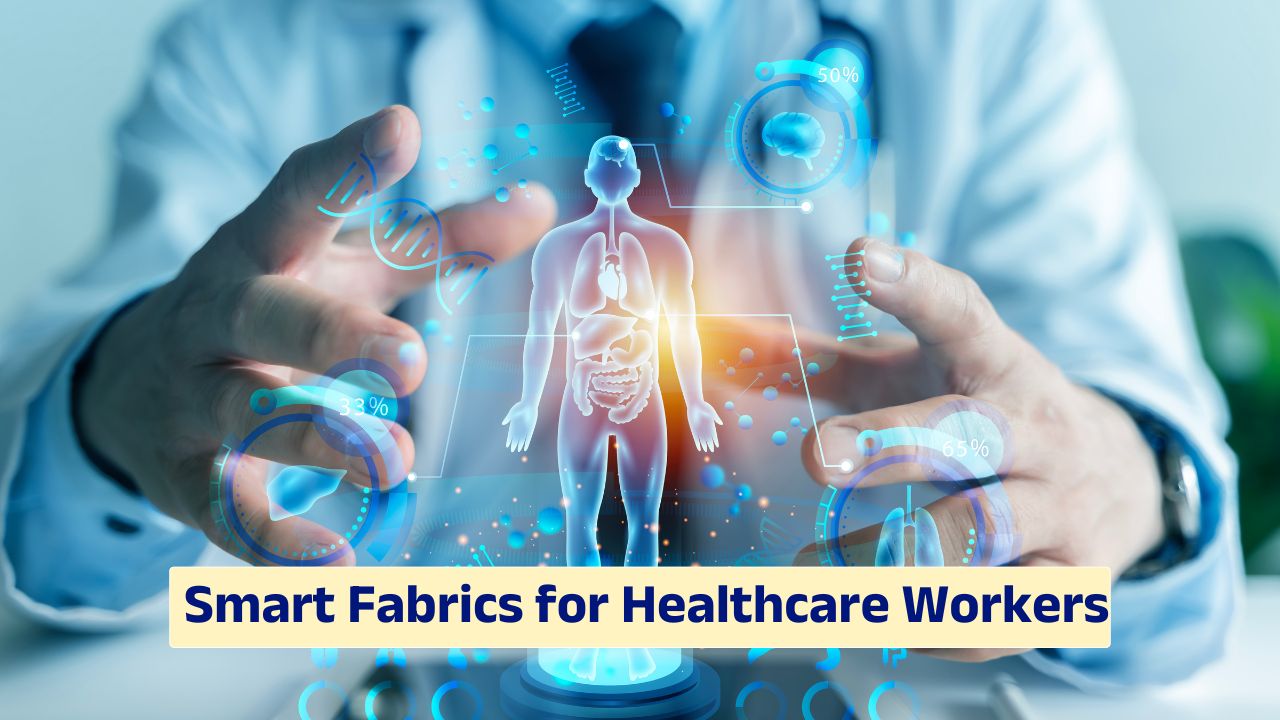
Smart Fabrics for Healthcare Workers

Smart fabrics for healthcare workers with embedded sensors in clinical apparel

Smart fabrics for healthcare workers are moving from pilot innovation to strategic infrastructure within US health systems. As hospitals confront staffing shortages, occupational safety risks, and data integration demands, textile-based technologies are emerging as a practical extension of clinical monitoring and infection prevention strategies. Unlike conventional scrubs or personal protective equipment, smart fabrics integrate sensors, … Read more

Telehealth Regulation Changes in 2026

Telehealth regulation changes in 2026 affecting US reimbursement and compliance strategy

Telehealth regulation changes in 2026 are poised to redefine digital care delivery across the United States, with implications for reimbursement, licensure, prescribing authority, and compliance oversight. After years of pandemic-driven flexibility, federal and state policymakers are recalibrating permanent frameworks that balance access expansion with fraud prevention and quality assurance. For healthcare providers, digital health companies, … Read more

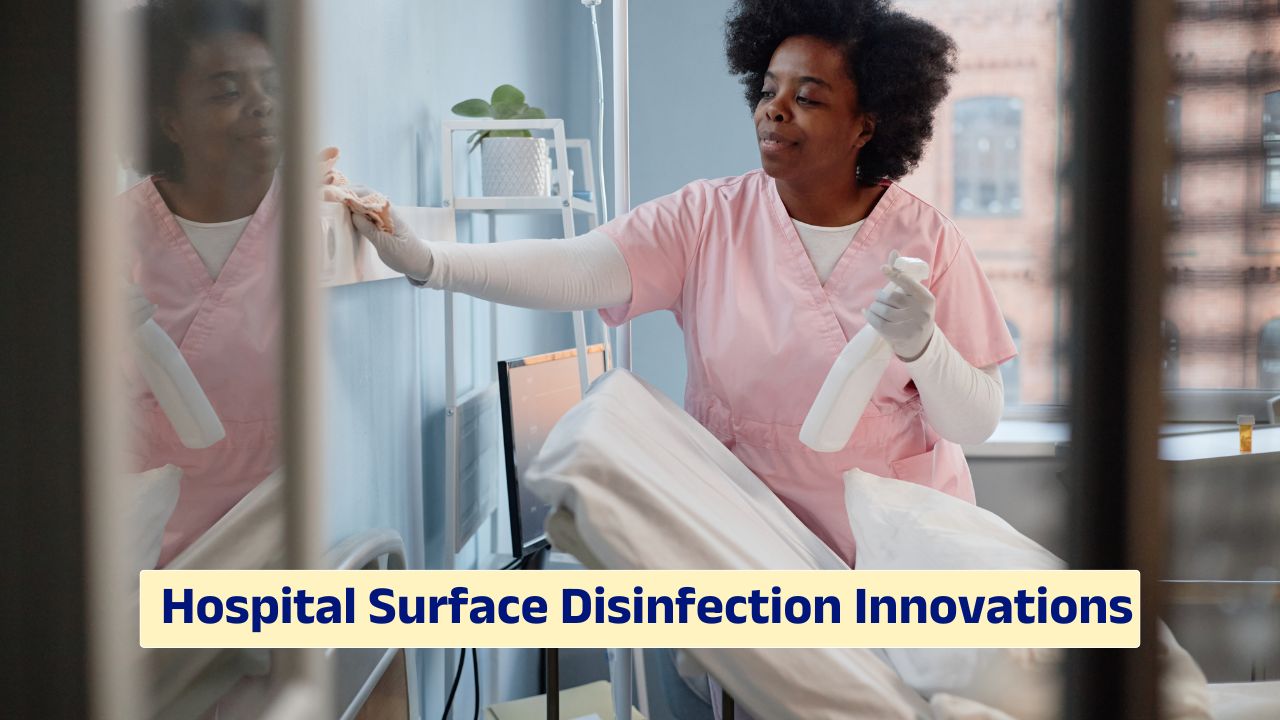
Hospital Surface Disinfection Innovations

Hospital surface disinfection innovations using UV technology in US healthcare facilities

Hospital surface disinfection innovations are becoming central to infection prevention strategy across US healthcare systems. As healthcare-associated infections continue to drive clinical risk and reimbursement penalties, hospitals are investing in advanced technologies that move beyond manual cleaning protocols. The shift reflects a convergence of regulatory scrutiny, automation, and data-driven quality assurance. Key Point Details Regulatory … Read more

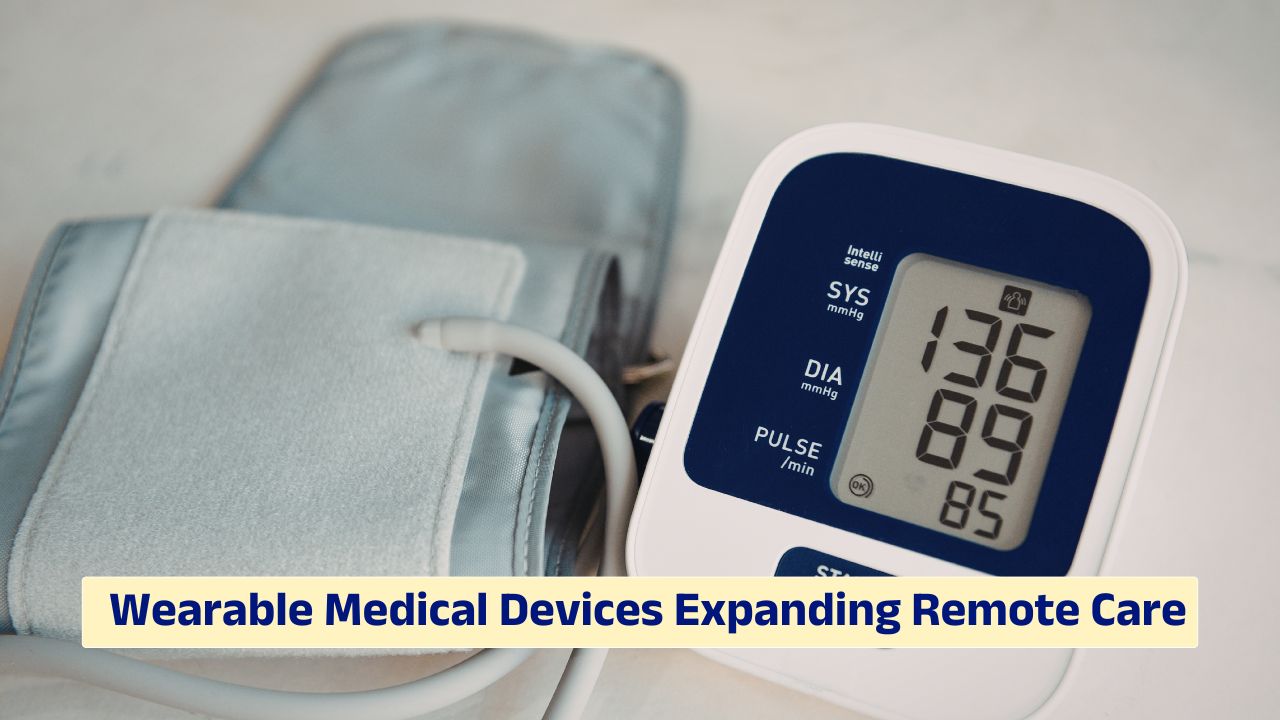
Wearable Medical Devices Expanding Remote Care

wearable medical device remote monitoring

Wearable medical devices are rapidly expanding remote care capabilities across the United States, reshaping how providers monitor chronic conditions and manage post-acute recovery. What began as consumer fitness tracking has evolved into FDA-cleared technologies capable of transmitting clinically actionable data directly into electronic health records. For health systems facing workforce shortages and value-based reimbursement pressures, … Read more

Infection Prevention Technology in US Hospitals

Infection prevention technology in US hospitals with digital surveillance and automated disinfection systems

Infection prevention technology in US hospitals has evolved from basic sterilization infrastructure into a multi-layered ecosystem integrating digital surveillance, antimicrobial materials, automated disinfection, and data-driven quality management. With healthcare-associated infections continuing to influence reimbursement penalties and patient safety metrics, hospitals are investing in scalable, evidence-based prevention platforms aligned with federal oversight and value-based care models. … Read more

How FDA 510(k) Approvals Influence Healthcare Startups – Growth and Commercialization Strategy

FDA 510(k) approval

For healthcare startups entering the US market, the FDA 510(k) pathway often determines the speed, capital efficiency, and commercial viability of a new medical device. While not as intensive as the premarket approval process, 510(k) clearance remains a rigorous regulatory milestone that shapes investor perception, reimbursement strategy, and long-term competitive positioning. Startups developing diagnostics, digital … Read more