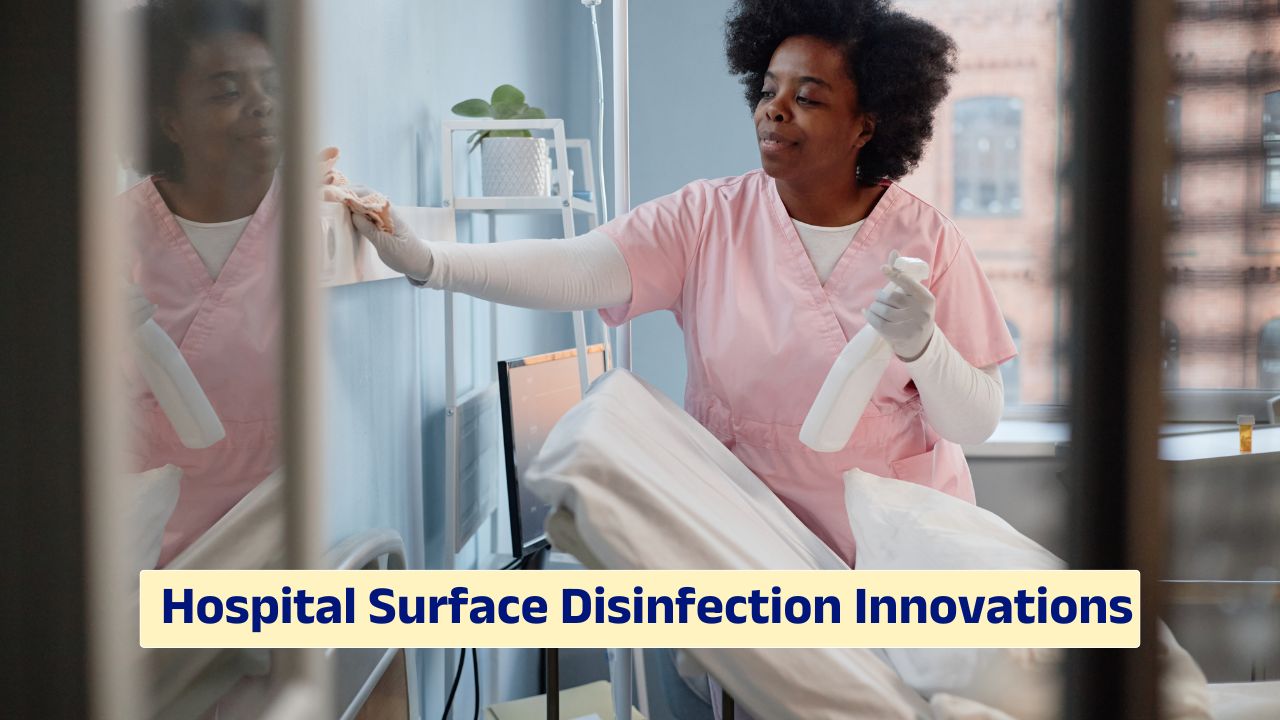
Hospital surface disinfection innovations are becoming central to infection prevention strategy across US healthcare systems.
As healthcare-associated infections continue to drive clinical risk and reimbursement penalties, hospitals are investing in advanced technologies that move beyond manual cleaning protocols. The shift reflects a convergence of regulatory scrutiny, automation, and data-driven quality assurance.
| Key Point | Details |
|---|---|
| Regulatory Pressure | CMS reimbursement penalties linked to hospital acquired infection metrics increase accountability. |
| Technology Shift | UV C robots, electrostatic sprayers, and antimicrobial coatings supplement manual cleaning. |
| Data Integration | Digital tracking systems validate disinfection cycles and compliance performance. |
| Market Drivers | Outbreak preparedness and patient safety metrics fuel procurement investment. |
| Commercial Outlook | Growing demand for scalable, automated solutions across acute and ambulatory care settings. |
Infection Risk
Healthcare-associated infections remain a persistent burden in US hospitals, influencing patient outcomes and operational costs. Contaminated high-touch surfaces such as bed rails, infusion pumps, and operating room tables contribute to pathogen transmission.
Traditional cleaning protocols depend heavily on manual compliance, introducing variability in effectiveness.
The Centers for Disease Control and Prevention outlines environmental cleaning as a foundational infection control practice. Guidance from the CDC environmental cleaning recommendations underscores the need for standardized procedures and validated disinfectants to reduce microbial load in clinical environments.
Technology Platforms
Ultraviolet C light systems have emerged as adjunct disinfection tools capable of inactivating bacteria and viruses on exposed surfaces. Autonomous UV devices navigate patient rooms and surgical suites, delivering controlled doses that supplement manual wiping.
While not a replacement for physical cleaning, they provide a measurable reduction in residual contamination.
Electrostatic spray systems represent another innovation, enabling disinfectant droplets to uniformly coat complex surfaces. This improves coverage consistency compared with conventional spray bottles. Hospitals adopting these systems often integrate them into terminal cleaning workflows for operating rooms and isolation units.
Antimicrobial surface coatings, including silver ion and copper-based technologies, are being deployed in high-traffic areas. These materials provide continuous passive protection, though they must be evaluated carefully for durability, safety, and compatibility with existing disinfectants.
Regulatory Landscape
Hospital surface disinfectants are regulated by the Environmental Protection Agency under the Federal Insecticide, Fungicide, and Rodenticide Act. Products must demonstrate efficacy against specified pathogens to obtain registration. The EPA List N disinfectants registry became widely referenced during public health emergencies, accelerating hospital procurement decisions.
Device-based technologies such as UV systems may fall under oversight by the Food and Drug Administration when marketed with specific medical claims. Vendors must ensure labeling, safety data, and performance validation align with applicable federal requirements.
Reimbursement considerations also influence adoption. The Centers for Medicare and Medicaid Services penalizes hospitals with elevated rates of certain hospital-acquired conditions. As a result, infection control investments are increasingly evaluated as risk mitigation strategies rather than discretionary capital expenses.
Market Trends
The market for hospital surface disinfection innovations is expanding beyond acute care into ambulatory surgery centers and long-term care facilities. Heightened outbreak preparedness planning has institutionalized capital budgeting for automated disinfection equipment.
Procurement decisions are increasingly data-driven. Hospitals demand performance analytics that demonstrate reductions in environmental bioburden or infection rates. Vendors that integrate software dashboards and compliance tracking tools gain a competitive advantage in enterprise contracts.
Private equity and strategic medtech investors are active in this segment, targeting companies with scalable hardware platforms and recurring consumables revenue models. Subscription-based service contracts for UV robots and smart monitoring systems create predictable cash flow structures attractive to investors.
Looking ahead, hospital surface disinfection innovations will likely converge with broader smart hospital infrastructure strategies. Integration with electronic health records, asset tracking systems, and quality reporting platforms may transform environmental hygiene from a facilities function into a measurable clinical performance metric.
For healthcare executives, the opportunity lies in aligning infection prevention technology with regulatory compliance, financial performance, and long-term patient safety outcomes.
FAQs
What are hospital surface disinfection innovations?
They include advanced technologies such as UV-C systems, electrostatic sprayers, antimicrobial coatings, and digital monitoring tools designed to improve environmental hygiene.
How are hospital disinfectants regulated in the US?
Chemical disinfectants are regulated by the EPA, while certain device-based technologies may require FDA oversight depending on their claims.
Why are hospitals investing in automated disinfection systems?
Automated systems reduce variability in manual cleaning and help mitigate financial penalties associated with hospital-acquired infections.
Do UV disinfection systems replace manual cleaning?
No. UV systems are typically used as adjunct technologies to supplement standard environmental cleaning protocols.
What drives market growth in this segment?
Regulatory accountability, outbreak preparedness, data-driven quality metrics, and recurring revenue service models contribute to sustained market expansion.