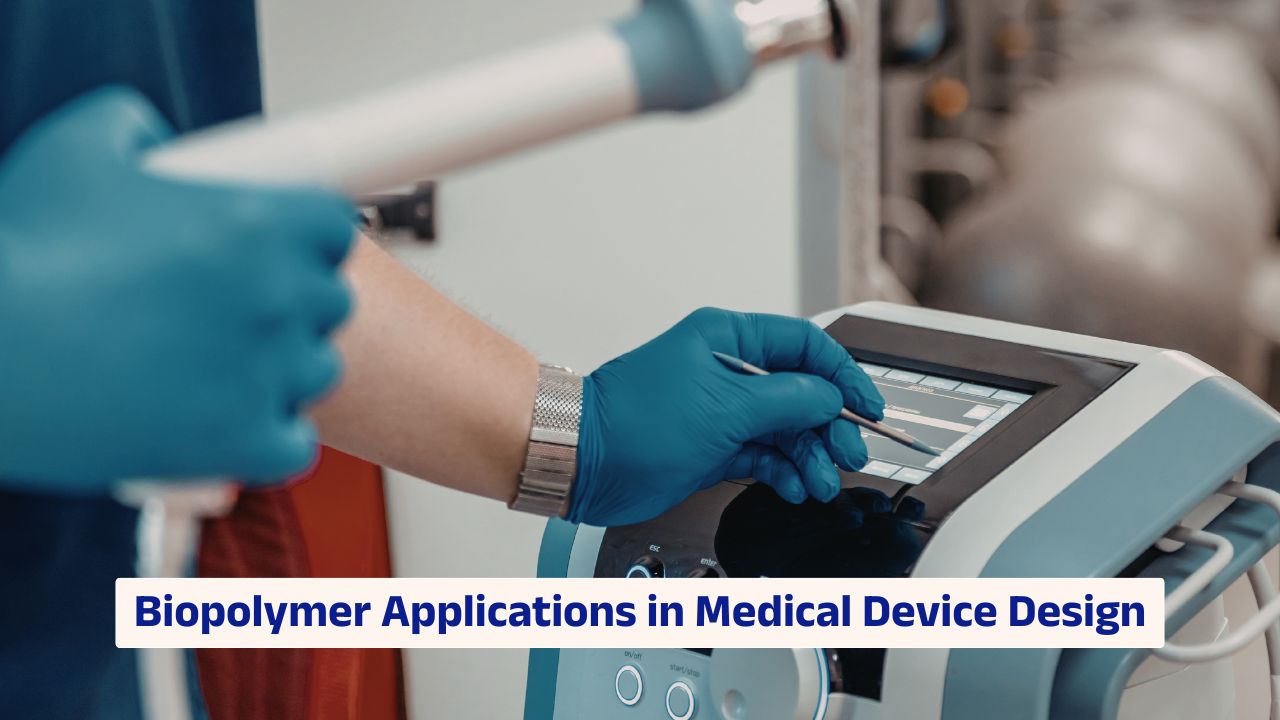
Biopolymers are becoming increasingly important materials in the design and manufacturing of modern medical devices. Derived from natural or biologically compatible sources, these materials offer advantages such as biodegradability, biocompatibility, and structural versatility.
As medical device innovation accelerates, biopolymers are enabling new approaches to implant design, drug delivery technologies, and regenerative medicine applications.
In the United States, the integration of biopolymers into medical device engineering aligns with regulatory expectations focused on patient safety and material performance.
Manufacturers must demonstrate that biomaterials used in devices meet rigorous standards for safety, durability, and biological compatibility.
As a result, biopolymer research has become an important area of collaboration between biotechnology firms, materials scientists, and medical device manufacturers.
| Key Point | Details |
|---|---|
| Material advantages | Biopolymers provide biocompatibility, flexibility, and potential biodegradability for medical device applications. |
| Device categories | Used in implants, wound care materials, tissue scaffolds, and controlled drug delivery systems. |
| Regulatory oversight | Medical devices incorporating biomaterials must meet regulatory requirements for safety and clinical performance. |
| Manufacturing innovation | Advances in polymer engineering and biofabrication are expanding the functionality of biomaterial based devices. |
| Market growth | Increasing demand for minimally invasive devices and regenerative therapies is driving biomaterial adoption. |
Materials
Biopolymers used in medical device manufacturing include materials such as collagen, chitosan, alginate, and polylactic acid-based polymers. These substances are valued for their ability to interact safely with human tissue while maintaining structural integrity during medical procedures.
Many biopolymers can also degrade naturally within the body, reducing the need for surgical removal after therapeutic use.
Material scientists design these polymers to achieve specific mechanical and biological properties required for medical applications. For example, tissue engineering scaffolds must support cell growth while maintaining sufficient strength to guide tissue regeneration.
Advances in polymer chemistry allow researchers to adjust molecular structure, degradation rates, and mechanical performance.
Biopolymer materials are also compatible with emerging manufacturing technologies such as additive manufacturing and biofabrication. These approaches allow engineers to produce customized device structures that match patient-specific anatomical requirements.
Devices
Medical devices incorporating biopolymers are used across a wide range of clinical applications. In cardiovascular medicine, biodegradable polymer coatings are commonly applied to stents to control drug release and improve compatibility with surrounding tissue.
These coatings help reduce inflammatory responses and improve long-term therapeutic outcomes.
Wound care products represent another major area of biopolymer use. Hydrogels and polymer-based dressings can maintain moisture balance while supporting tissue healing.
Some advanced wound care materials also incorporate antimicrobial properties or drug delivery capabilities that enhance therapeutic effectiveness.
Biopolymer scaffolds are particularly important in regenerative medicine research. These structures provide a framework that allows cells to grow and organize into functional tissues.
Tissue engineering strategies often combine biomaterials with stem cells or growth factors to support the repair of damaged organs and tissues.
Regulation
Medical devices that incorporate biopolymers must meet regulatory standards established for biomaterial safety and device performance. In the United States, the U.S. Food and Drug Administration’s medical device regulatory program evaluates materials used in implantable and therapeutic devices to ensure they are safe for clinical use.
Regulatory evaluation typically includes biocompatibility testing, toxicology studies, and mechanical performance assessments. Manufacturers must demonstrate that polymer materials do not produce harmful biological reactions and that device performance remains reliable during clinical use.
Industry standards organizations also play an important role in biomaterial testing frameworks. Scientific research supported by institutions such as the National Institute of Biomedical Imaging and Bioengineering contributes to the development of new biomaterials and evaluation methods used in medical device engineering.
Innovation
The future of biopolymer-based medical devices is closely tied to advances in materials science and biotechnology. Researchers are exploring smart polymers that respond to environmental conditions such as temperature, pH, or biological signals.
These materials could enable devices that release drugs only when specific physiological conditions are detected.
Another emerging area involves bioresorbable implants that gradually dissolve after completing their therapeutic function. Such technologies could reduce the need for follow-up surgeries and simplify long-term patient management.
For medical device manufacturers, biopolymer innovation presents opportunities to develop more sophisticated and patient-specific products.
As regulatory science, biomaterials research, and manufacturing technologies continue to advance, biopolymers are likely to remain central to the next generation of medical device design.
From implantable devices to regenerative medicine platforms, the strategic integration of biopolymers is reshaping how engineers approach medical device development.
Companies that combine materials science expertise with regulatory and clinical insight will be well-positioned to lead innovation in this rapidly evolving segment of the healthcare technology market.
FAQs
What are biopolymers in medical device design?
Biopolymers are biologically compatible materials derived from natural or synthetic sources that are used in medical devices for implants, drug delivery systems, and tissue engineering applications.
Why are biopolymers used in medical devices?
Biopolymers offer advantages such as biocompatibility, flexibility, and controlled biodegradability, which make them suitable for interacting with human tissues.
Are biopolymer medical devices regulated in the United States
Yes. Medical devices using biopolymers must meet FDA regulatory standards, including safety testing, biocompatibility evaluation, and clinical performance verification.
What medical applications commonly use biopolymers
Common applications include stent coatings, wound care materials, tissue scaffolds, and controlled drug delivery systems.
What is the future of biopolymers in medical device development
Advances in smart polymers, biodegradable implants, and biofabrication technologies are expected to expand the role of biopolymers in next generation medical devices.