Shareholder Trends in Public Biotech Companies

Shareholder trends in public biotech companies and investor dynamics

Shareholder trends in public biotech companies are undergoing a notable shift as capital markets recalibrate expectations around innovation timelines, regulatory risk, and commercial execution. In the United States, where biotech firms frequently rely on public markets to fund clinical development, investor composition and behavior have become key indicators of sector health. Institutional investors, retail participants, … Read more
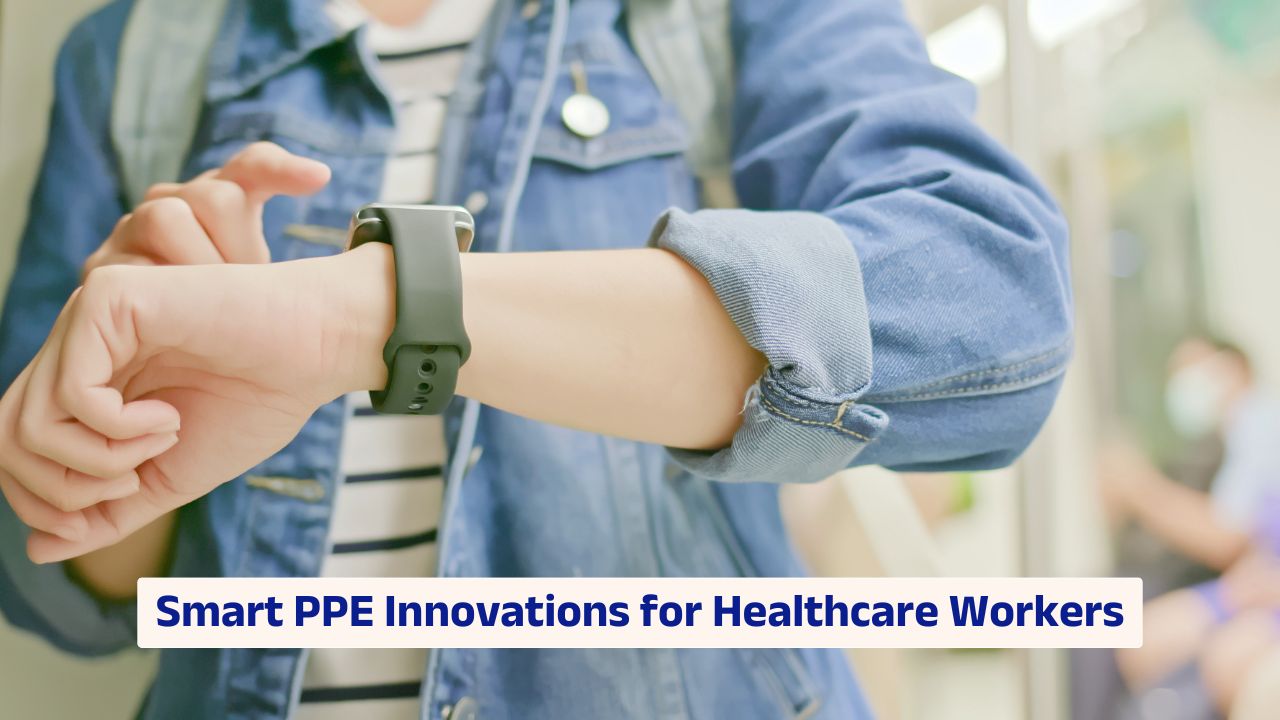
Smart PPE Innovations for Healthcare Workers

Smart PPE innovations for healthcare workers with biosensors and digital monitoring

Smart PPE innovations are reshaping how healthcare workers manage exposure risks, particularly in high-acuity environments where infection control is critical. Traditional personal protective equipment has long served as a physical barrier, but emerging technologies are transforming PPE into intelligent systems capable of monitoring, alerting, and adapting in real time. Driven by lessons from pandemic response … Read more

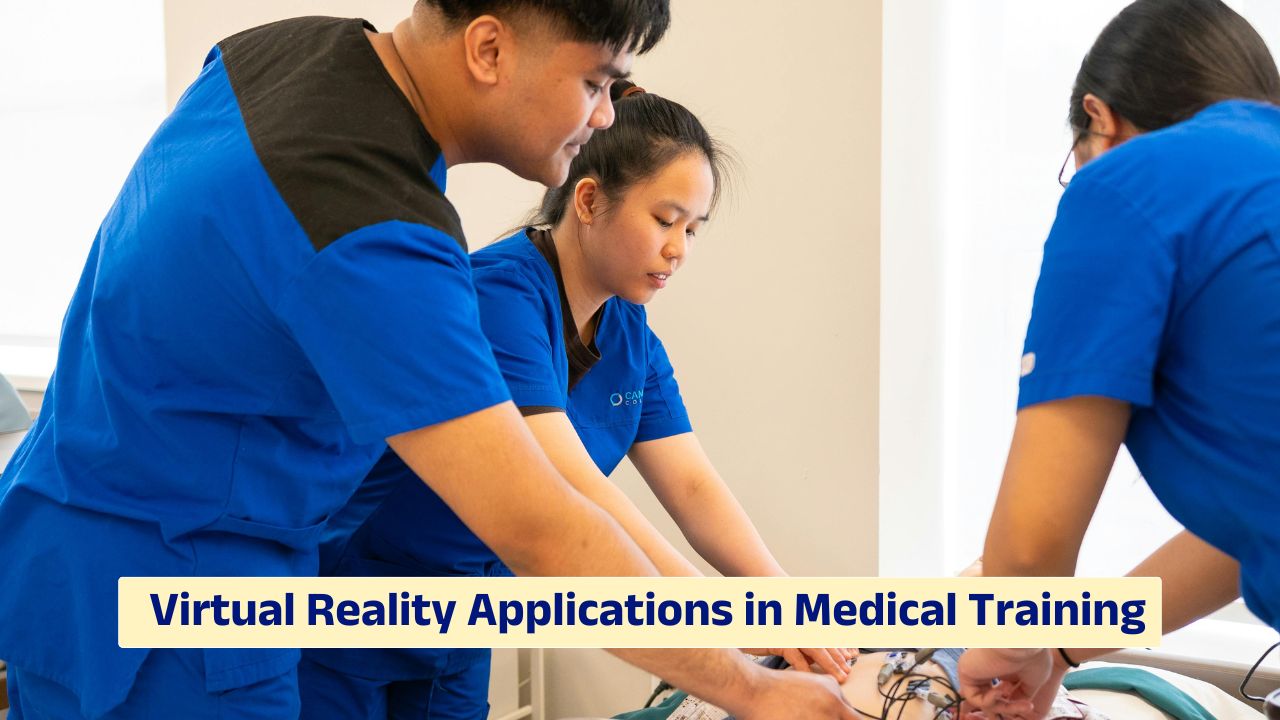
Virtual Reality Applications in Medical Training

Virtual reality applications transforming medical training and healthcare education

Virtual reality in medical training has transitioned from experimental simulation to a commercially viable component of clinical education in the United States. Academic medical centers, hospital systems, and private training providers are increasingly deploying immersive platforms to enhance procedural learning, reduce training variability, and improve patient safety outcomes. This shift reflects broader digital transformation trends … Read more

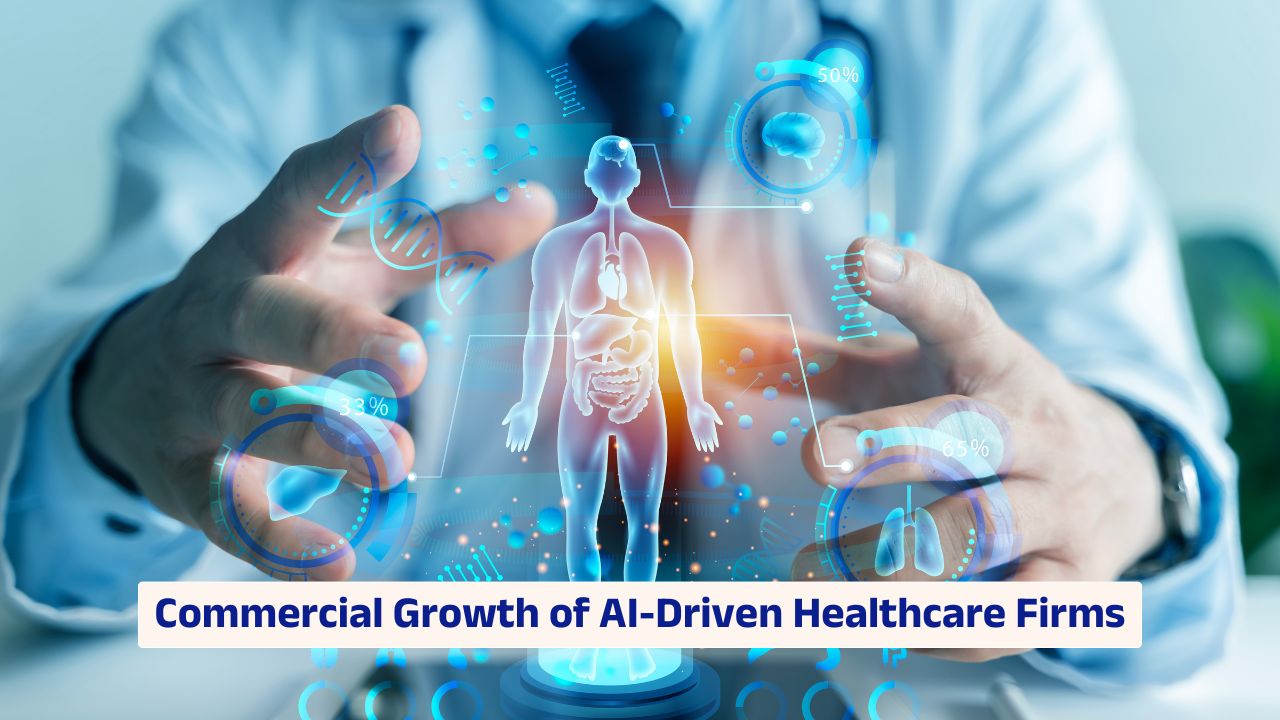
Commercial Growth of AI-Driven Healthcare Firms

Commercial growth of AI-driven healthcare firms in regulated US healthcare systems

Artificial intelligence has shifted from experimental deployment to a commercial engine within the US healthcare ecosystem. AI-driven healthcare firms are no longer defined solely by innovation pipelines but by their ability to secure reimbursement, demonstrate clinical utility, and scale within regulated frameworks. As venture capital matures and public markets scrutinize revenue models, commercialization strategies have … Read more

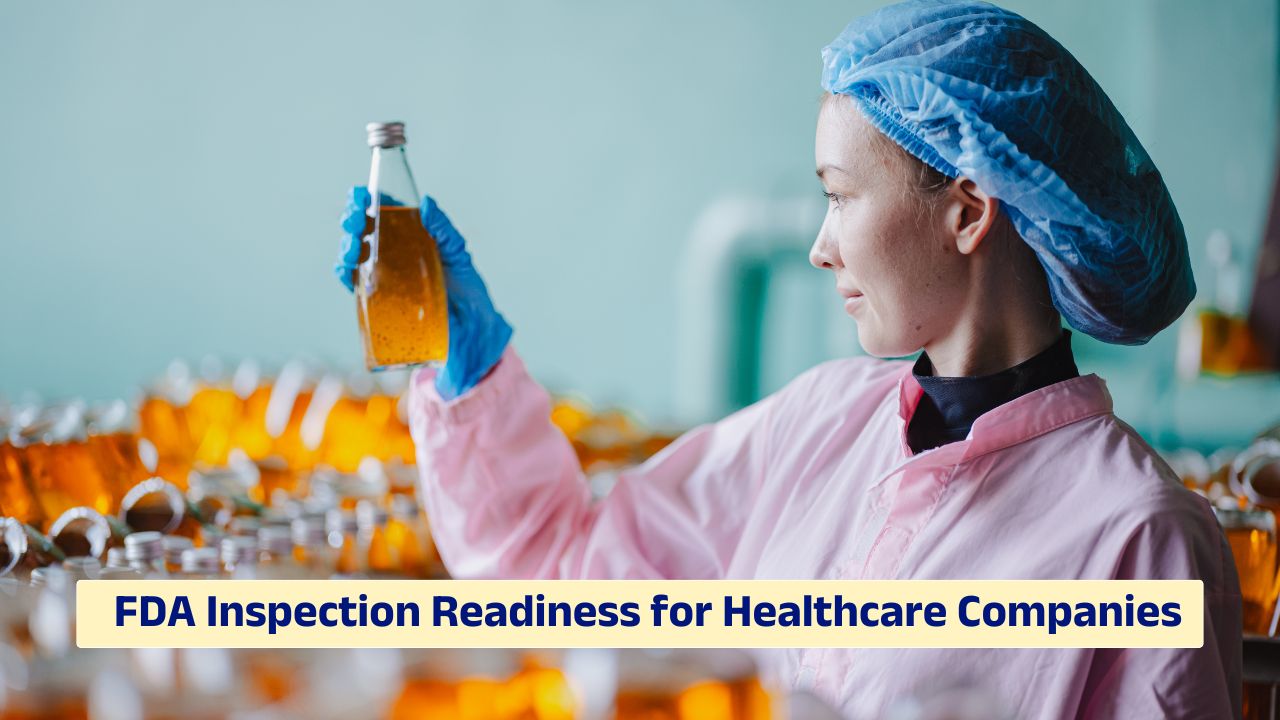
FDA Inspection Readiness for Healthcare Companies

FDA inspection readiness process in healthcare company compliance environment

FDA inspection readiness has become a strategic imperative for healthcare companies operating in the United States, particularly as regulatory scrutiny intensifies across clinical development, manufacturing, and post-market surveillance. Inspections conducted by the Food and Drug Administration are not merely compliance exercises; they are decisive events that can influence product approvals, commercialization timelines, and corporate reputation. … Read more

Regulatory Announcements Influencing Market Volatility

Regulatory announcements influencing biotech market volatility and investor reactions

Regulatory announcements remain one of the most decisive catalysts of market volatility in the US biotechnology and healthcare sectors. Unlike traditional industries, where earnings cycles dominate valuation shifts, biotech markets often respond abruptly to regulatory signals, particularly those issued by agencies such as the Food and Drug Administration and the Securities and Exchange Commission. These … Read more

Private Funding vs Public Funding in Biotech

Private vs public funding strategies in biotech industry

Private funding vs public funding in biotech represents a foundational strategic decision that shapes a company’s trajectory, governance structure, and commercialization timelines. In the US biotechnology sector, where capital intensity and regulatory complexity are high, funding choices influence not only financial flexibility but also operational control and long-term value creation. Biotech companies typically navigate multiple … Read more

Healthcare Distribution Channel Optimization

Healthcare distribution channel optimization in pharmaceutical supply chain system

Healthcare distribution channel optimization has become a strategic priority across the US life sciences sector, particularly as manufacturers navigate complex payer systems, specialty pharmacy networks, and evolving regulatory oversight. The distribution layer is no longer a passive conduit but a critical determinant of market access, pricing realization, and patient adherence outcomes. Biopharmaceutical companies are increasingly … Read more

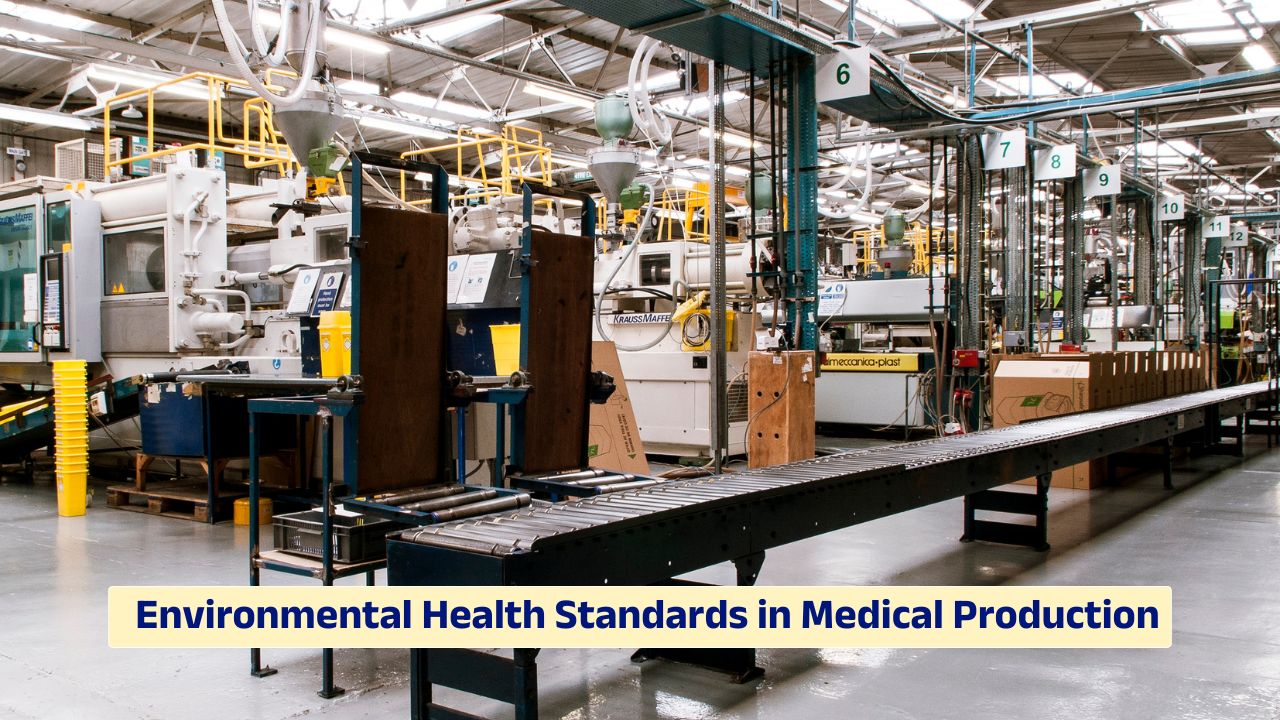
Environmental Health Standards in Medical Production

Environmental health standards in medical production and sustainable cleanroom manufacturing

Environmental health standards in medical production have become a critical focus within the United States as regulators, manufacturers, and healthcare systems align on sustainability, safety, and compliance. Increasing scrutiny from federal agencies and growing investor expectations are pushing life sciences companies to integrate environmentally responsible practices across the manufacturing lifecycle without compromising product quality or … Read more

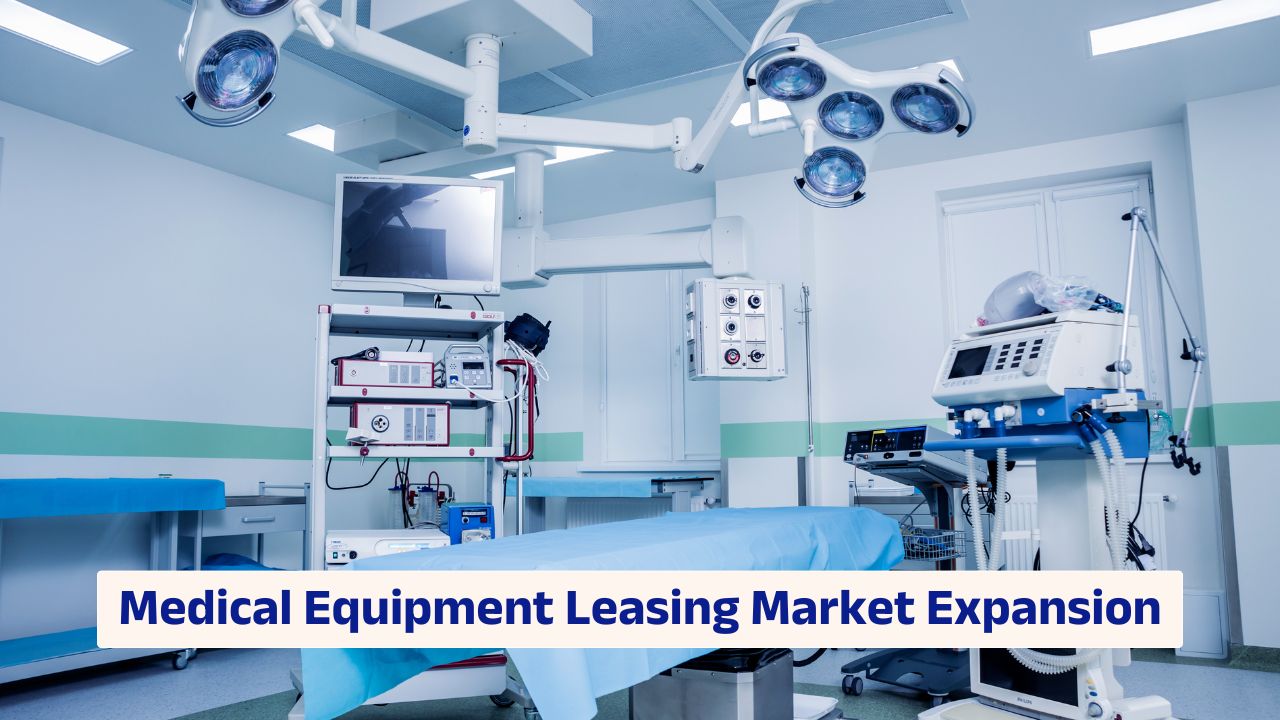
Medical Equipment Leasing Market Expansion

Medical equipment leasing market growth and healthcare technology adoption in US hospitals

The medical equipment leasing market is gaining strategic importance across the United States as healthcare providers seek capital-efficient ways to modernize infrastructure without incurring high upfront costs. With rising pressure from value-based care models and ongoing reimbursement constraints, leasing is emerging as a viable financial strategy for hospitals, ambulatory centers, and specialty clinics aiming to … Read more