Data Integrity Regulations in Clinical Research

Data integrity regulations in clinical research and FDA compliance frameworks

Data integrity regulations in clinical research have become a central focus for US regulators and industry stakeholders as digital systems, decentralized trials, and complex data ecosystems expand. Ensuring that clinical data is accurate, complete, and reliable is essential not only for regulatory approval but also for maintaining public trust in biomedical innovation. In an environment … Read more


Healthcare Startup Exit Strategies in the US

Healthcare startup exit strategies in the US regulatory and market dynamics

Healthcare startup exit strategies have become increasingly complex as biotechnology innovation intersects with evolving regulatory frameworks, reimbursement models, and capital market expectations. Founders and investors must now align scientific milestones with commercialization readiness and regulatory positioning to achieve optimal exit outcomes. In the United States, where oversight from the FDA, CMS, and SEC shapes market … Read more

Medical Innovation and Capital Markets Response

Medical innovation and capital markets response in biotech industry

Medical innovation continues to reshape the US healthcare landscape, but its trajectory is increasingly intertwined with capital market dynamics. Breakthroughs in biotechnology, digital therapeutics, and precision medicine are no longer evaluated solely on scientific merit. Investors, regulators, and healthcare stakeholders now assess innovation through the lens of scalability, reimbursement viability, and long-term return on investment. … Read more

AI Chatbots in Patient Triage Systems

AI chatbots in patient triage systems in modern healthcare settings

Artificial intelligence-powered chatbots are emerging as frontline tools in patient triage systems, reshaping how healthcare providers manage demand, prioritise care, and optimise clinical workflows. As US healthcare systems face persistent staffing shortages and rising patient volumes, digital triage solutions are increasingly positioned as scalable entry points into care pathways, particularly in urgent care, telehealth, and … Read more

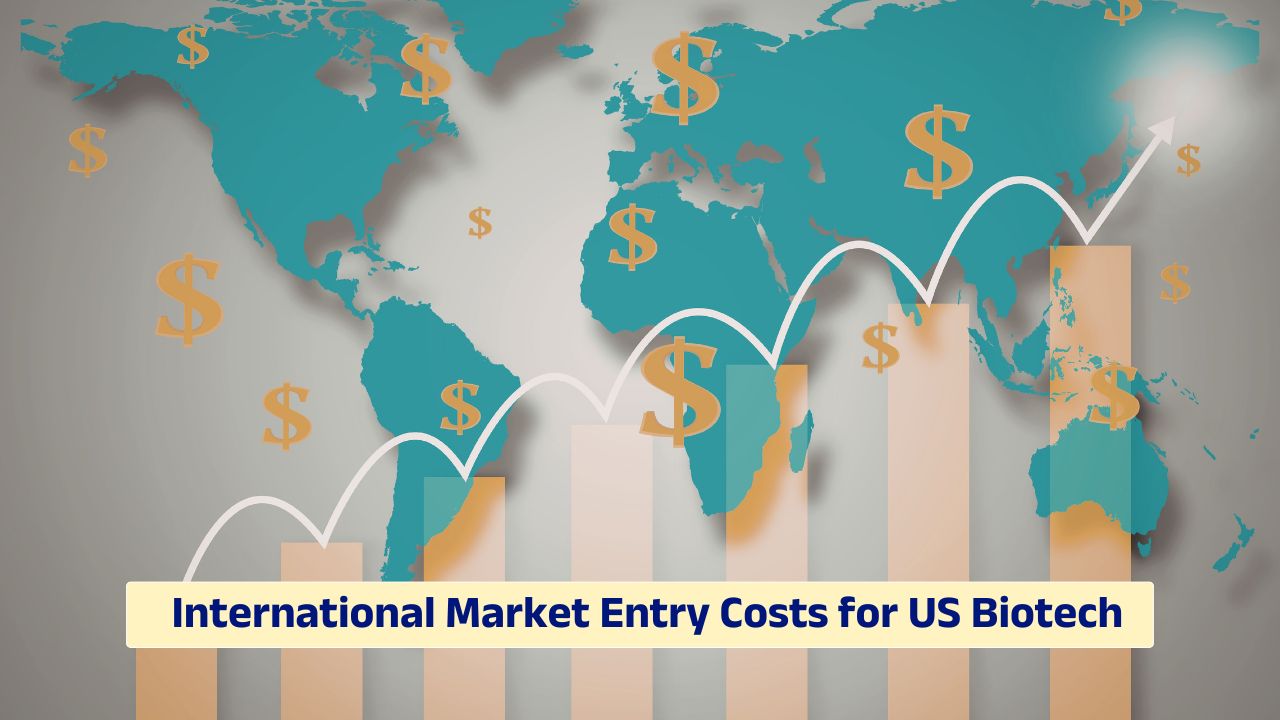
International Market Entry Costs for US Biotech

International market entry costs for US biotech and global expansion strategy

International market entry represents a critical inflection point for US biotech companies seeking to expand beyond domestic commercialization. While global markets offer access to larger patient populations and diversified revenue streams, the cost structure associated with entry is complex, highly regulated, and varies significantly across regions. Strategic planning must account for regulatory pathways, infrastructure investments, … Read more

Healthcare Quality Metrics and Technology Integration

Healthcare quality metrics and technology integration in clinical data systems

Healthcare quality metrics have become foundational to value-based care models in the United States, shaping how providers, payers, and regulators assess performance and allocate resources. As reimbursement increasingly ties to outcomes rather than service volume, the integration of advanced technologies is redefining how these metrics are captured, validated, and operationalized across clinical settings. Key Point … Read more

Intellectual Property Protection in Biotechnology

Intellectual property protection in biotechnology and regulatory strategy

Intellectual property protection in biotechnology sits at the intersection of scientific innovation, regulatory oversight, and commercial strategy. In the United States, where biotech innovation is heavily driven by venture funding and institutional research, robust IP frameworks are essential for securing market exclusivity and enabling long-term return on investment. From gene therapies to biologics, the ability … Read more

Dividend Strategies in Healthcare Stocks

Dividend strategies in healthcare stocks with regulatory and market insights

Dividend strategies in healthcare stocks have become increasingly relevant for institutional investors seeking stable income alongside defensive exposure. The sector’s structural resilience, supported by demographic trends and persistent demand for medical services, positions dividend-paying healthcare companies as a core allocation in income-focused portfolios. In the United States, where reimbursement systems, regulatory oversight, and innovation cycles … Read more

Market Risks Facing Antimicrobial Technology Firms

Market risks facing antimicrobial technology firms in US biotech industry

Antimicrobial technology firms in the United States operate at the intersection of urgent public health need and complex market realities. While antimicrobial resistance continues to be recognized as a growing global threat, commercial incentives for developing new antimicrobial solutions remain constrained. This imbalance is shaping a challenging risk landscape for companies focused on antibiotics, antifungals, … Read more

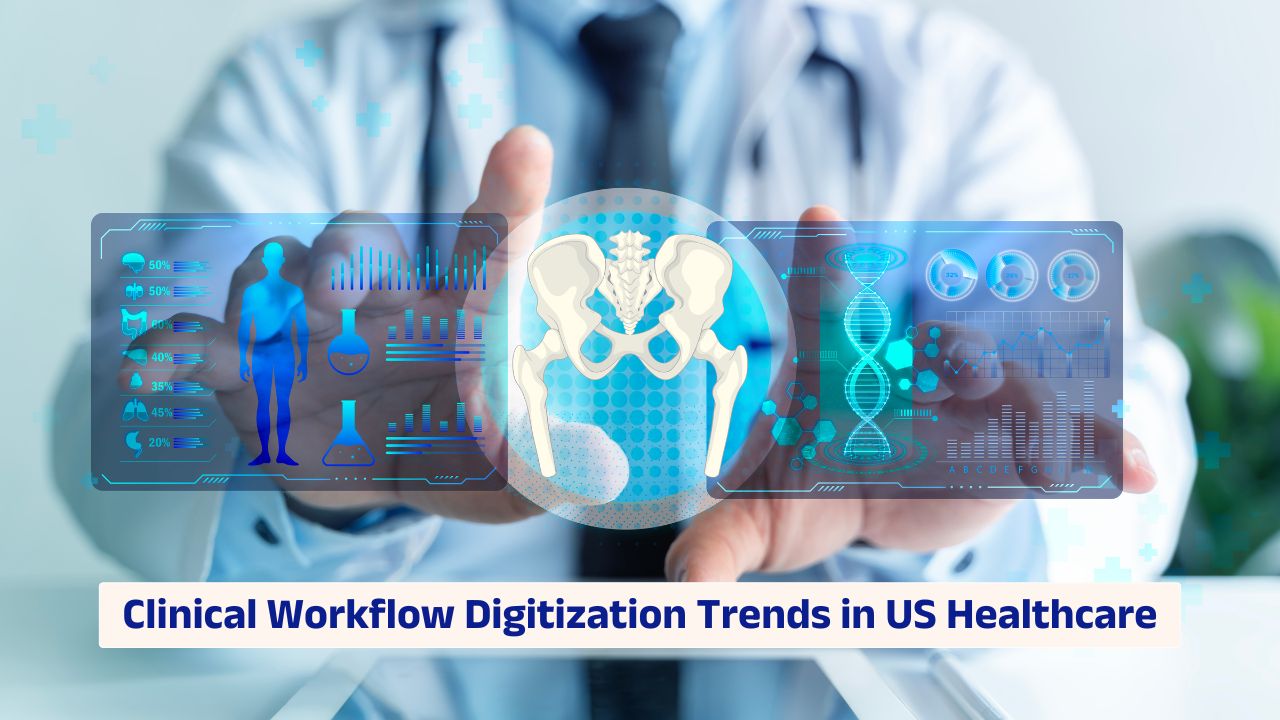
Clinical Workflow Digitization Trends in US Healthcare

Clinical workflow digitization trends in US healthcare systems

Clinical workflow digitization is rapidly reshaping healthcare delivery across the United States, driven by increasing data complexity, regulatory expectations, and the need for operational efficiency. Health systems are moving beyond basic electronic health records toward integrated digital ecosystems that support real-time decision-making, care coordination, and patient engagement. This shift is not purely technological; it reflects … Read more