US Government Initiatives Supporting Infection Control
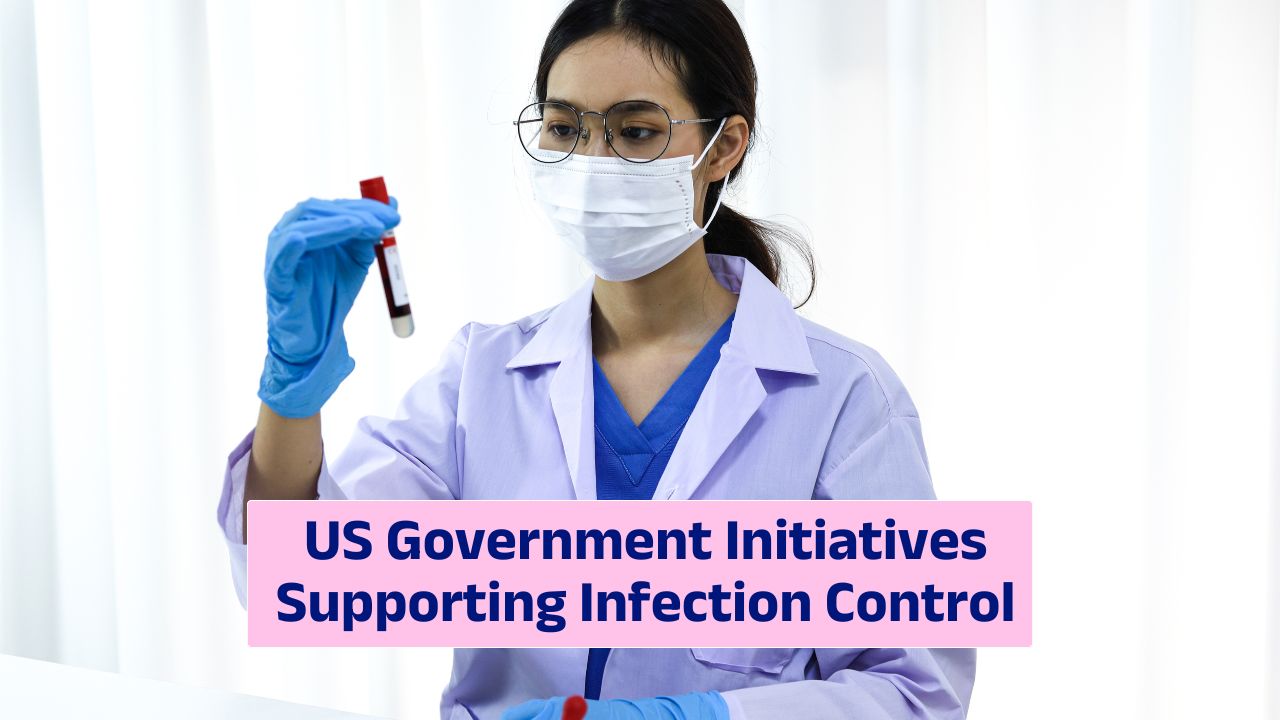
US government initiatives supporting infection control and biotechnology research programs

Infection control remains a central priority within the United States healthcare system, particularly as hospitals and public health agencies continue to address emerging pathogens, antimicrobial resistance, and healthcare-associated infections. Federal initiatives now combine regulatory oversight, research funding, and public health coordination to strengthen infection prevention across clinical environments and community health programs. Government agencies are … Read more


Stock Market Volatility and Biotech Sector Response

Stock market volatility affecting biotech sector investment and biotechnology company valuations

Stock market volatility has become a recurring feature of the biotechnology investment environment, particularly as capital markets respond to shifting interest rates, clinical trial outcomes, and macroeconomic uncertainty. For biotechnology companies, whose valuations are often tied to long development timelines and regulatory milestones, market fluctuations can significantly influence financing strategy and operational planning. In 2026, … Read more

Regulatory Compliance in Medical Manufacturing

Regulatory compliance processes in medical manufacturing and FDA quality system inspections

Regulatory compliance in medical manufacturing has become one of the defining operational priorities for healthcare technology companies operating in the United States. Medical devices, diagnostics, and advanced therapeutic products must meet stringent safety, quality, and traceability standards before they can reach patients or healthcare providers. As the medical manufacturing sector expands with new technologies, regulatory … Read more

Biotech Supply Chain Innovation in 2026

Biotech supply chain innovation and cold chain logistics for advanced therapies in 2026

Biotechnology companies entering 2026 are confronting a supply chain environment fundamentally different from the one that shaped the sector a decade ago. Clinical pipelines are expanding into advanced modalities such as cell therapy, mRNA platforms, and personalized biologics, each requiring precise material sourcing, temperature control, and regulatory traceability. As a result, supply chain strategy has … Read more

Nanofiber Materials for Infection Control Applications

Nanofiber materials used for infection control in advanced biomedical and healthcare applications

Nanofiber materials are emerging as a promising platform for infection control applications across healthcare environments. Their extremely small fiber diameters and high surface area allow researchers to engineer materials capable of trapping pathogens, delivering antimicrobial agents, and enhancing protective barriers in clinical settings. In the United States, infection control technologies must balance material innovation with … Read more

Healthcare Product Labeling Compliance Standards

Healthcare product labeling compliance standards and FDA regulatory labeling requirements

Healthcare product labeling compliance standards play a critical role in the safe distribution and use of pharmaceuticals, biologics, and medical devices in the United States. Labels provide essential information for healthcare professionals, regulators, and patients, ensuring that products are used according to approved indications, dosing instructions, and safety guidelines. As the healthcare industry evolves, regulatory … Read more

Private Equity Interest in Healthcare Commercialization

Private equity interest in healthcare commercialization and biotech investment strategies

Private equity interest in healthcare commercialization has accelerated as investors seek scalable opportunities across biotechnology services, clinical infrastructure, and commercialization platforms. As drug development pipelines grow and new therapies reach regulatory milestones, financial sponsors increasingly view commercialization support services as a strategic entry point into the healthcare ecosystem. Unlike early stage biotechnology investment, which carries … Read more

Innovative Diagnostic Tools in 2026

Innovative diagnostic tools in 2026 transforming healthcare through AI genomic testing and point of care diagnostics

Innovative diagnostic tools are reshaping clinical decision-making in 2026 as biotechnology companies, health systems, and regulators push for faster, more precise disease detection. Advances in molecular diagnostics, artificial intelligence enabled imaging, and decentralized testing platforms are expanding how clinicians identify disease earlier and monitor patients more effectively. In the United States, diagnostic innovation increasingly intersects … Read more

Stem Cell Banking Growth in the US

Stem Cell Banking Growth in the US

Stem cell banking is moving from a niche preservation service into a more structured part of the US regenerative medicine economy. Growth is being shaped by expectant parent demand, hospital partnerships, translational research interest, and a broader commercial push to build future cellular therapy supply chains. At the same time, the regulatory landscape is becoming … Read more

Synthetic Enzyme Engineering for Therapeutic Use

synthetic enzyme engineering for therapeutic use in biotechnology research laboratories

Synthetic enzyme engineering is emerging as a transformative approach in modern biotechnology, enabling researchers to design enzymes with tailored functions for therapeutic applications. Unlike naturally occurring enzymes, synthetic or engineered variants can be optimized for stability, specificity, and activity under physiological conditions. These advances are expanding the therapeutic potential of enzyme-based treatments for metabolic disorders, … Read more