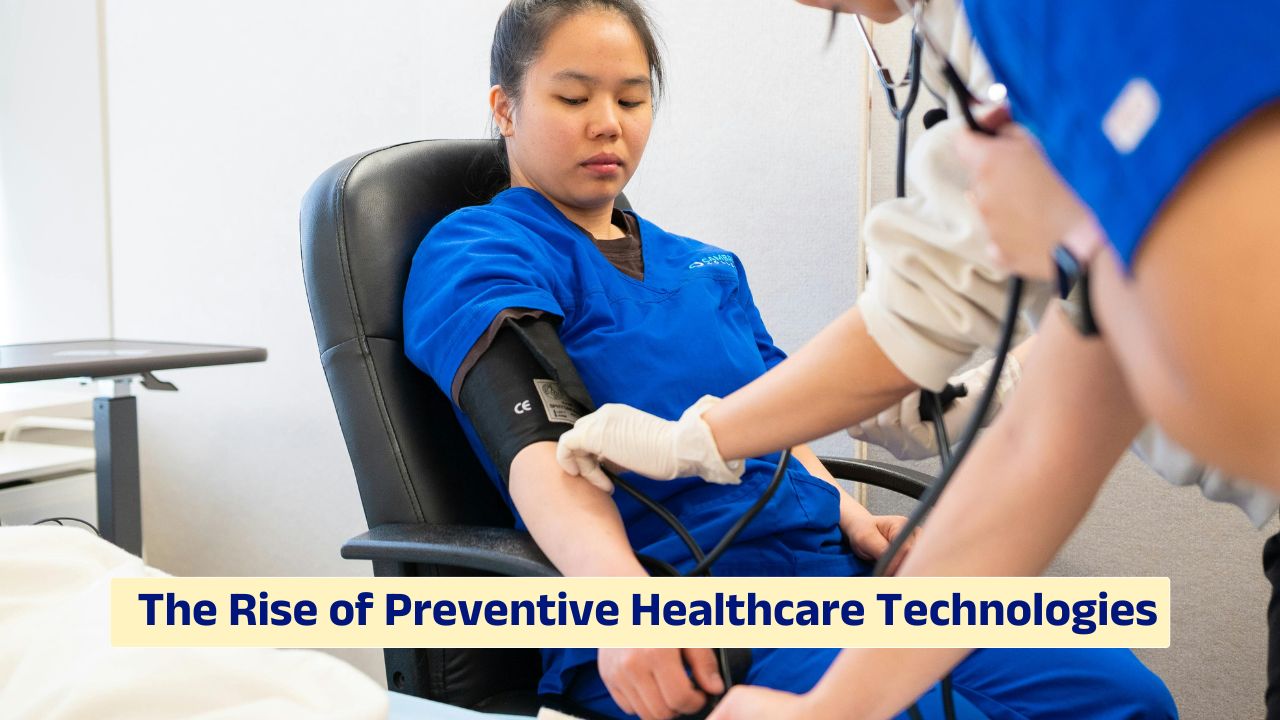
Preventive healthcare technologies are reshaping how disease risk is identified and managed across the United States healthcare system.
Rather than focusing primarily on treatment after illness develops, healthcare providers, technology companies, and public health agencies are increasingly prioritizing early detection, risk monitoring, and behavioral health interventions.
This shift reflects both rising healthcare costs and growing recognition that early intervention can significantly improve long-term patient outcomes.
Advances in digital health platforms, diagnostic technologies, and real-time monitoring tools are enabling a new model of proactive healthcare. Preventive technologies now extend beyond traditional screenings to include wearable devices, predictive analytics, and integrated health data systems.
These innovations are attracting strong interest from healthcare systems, biotechnology companies, and health insurers seeking to reduce chronic disease burden while improving care efficiency.
| Key Point | Details |
|---|---|
| Healthcare Shift | Preventive healthcare emphasizes early disease detection and long term risk management rather than reactive treatment. |
| Technology Drivers | Wearable devices, remote monitoring systems, and digital diagnostics support continuous health assessment. |
| Regulatory Oversight | US agencies regulate preventive diagnostics, digital health tools, and remote monitoring platforms. |
| Market Expansion | Healthcare providers and insurers are investing in preventive technologies to reduce long term treatment costs. |
| Public Health Impact | Preventive health programs can improve early disease detection and reduce healthcare system strain. |
Drivers
The expansion of preventive healthcare technologies is driven by several structural pressures in the US healthcare system. Chronic conditions such as cardiovascular disease, diabetes, and metabolic disorders continue to place significant strain on healthcare spending.
Early detection technologies offer a pathway to intervene before disease progression leads to costly clinical complications.
Population health management strategies have also encouraged health systems to adopt preventive technologies. Hospitals and integrated care networks are increasingly evaluated based on long term patient outcomes rather than service volume.
This shift creates incentives for providers to invest in tools that identify risk factors early and support continuous monitoring.
Diagnostics
Diagnostic innovation plays a central role in preventive healthcare technology development. Advances in molecular testing, biomarker research, and digital diagnostics allow clinicians to detect disease signals at earlier stages.
Blood-based screening platforms and genetic risk assessments are expanding the ability to identify individuals who may benefit from early medical intervention.
Regulatory oversight of diagnostic technologies in the United States is led primarily by the U.S. Food and Drug Administration medical device program, which evaluates safety and effectiveness for new diagnostic tools.
Regulatory pathways continue to evolve as digital diagnostics and AI-driven analysis platforms enter the clinical environment.
Monitoring
Wearable health technologies are expanding the reach of preventive healthcare beyond traditional clinical settings. Smartwatches, biosensors, and mobile health applications can monitor vital signs, physical activity, sleep patterns, and cardiovascular indicators in real time.
Continuous monitoring provides clinicians with a more comprehensive picture of patient health trends over extended periods.
Remote patient monitoring programs have also gained momentum following expanded reimbursement frameworks.
The Centers for Medicare and Medicaid Services now recognizes certain remote monitoring services under reimbursement models designed to encourage proactive care management.
Additional details on these programs are available through the Centers for Medicare and Medicaid Services physician fee schedule resources.
Analytics
Predictive analytics is emerging as one of the most powerful components of preventive healthcare technology. Large healthcare datasets can now be analyzed using machine learning models to identify patterns associated with disease risk.
These insights enable healthcare providers to stratify patient populations based on risk levels and develop targeted preventive strategies.
Healthcare systems are increasingly integrating analytics platforms with electronic health record infrastructure. When combined with wearable data and diagnostic testing results, these systems can generate personalized risk assessments that support earlier clinical decision-making.
The continued rise of preventive healthcare technologies reflects a broader transformation in how the healthcare industry approaches disease management. As digital health infrastructure, diagnostics, and predictive analytics mature, preventive strategies are likely to play a larger role in clinical care delivery.
Healthcare organizations that effectively integrate these technologies into clinical workflows may achieve improved patient outcomes while also addressing long term cost pressures across the US healthcare system.
FAQs
What are preventive healthcare technologies?
Preventive healthcare technologies are tools and systems designed to detect health risks early, monitor patient health continuously, and support early medical intervention before diseases progress.
Why are preventive healthcare technologies becoming more important
Rising healthcare costs and increasing rates of chronic disease are encouraging healthcare systems to focus on early detection and proactive health management.
What types of technologies are used in preventive healthcare
Preventive healthcare technologies include wearable health devices, digital diagnostics, remote patient monitoring platforms, and predictive analytics systems.
How does the FDA regulate preventive healthcare technologies
The FDA evaluates many preventive health technologies, particularly diagnostic tools and digital health devices, to ensure they meet safety and effectiveness standards before market use.
How can preventive healthcare technologies improve patient outcomes
By detecting disease risk earlier and enabling continuous monitoring, preventive technologies allow healthcare providers to intervene sooner and reduce the severity of many chronic conditions.