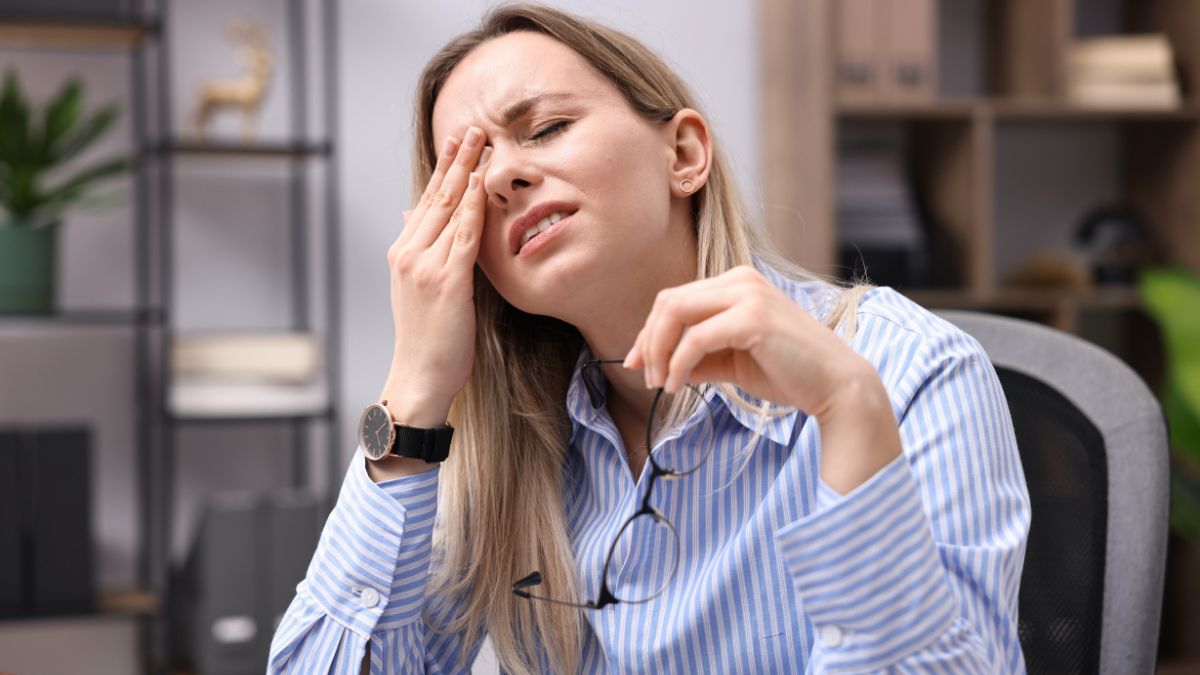
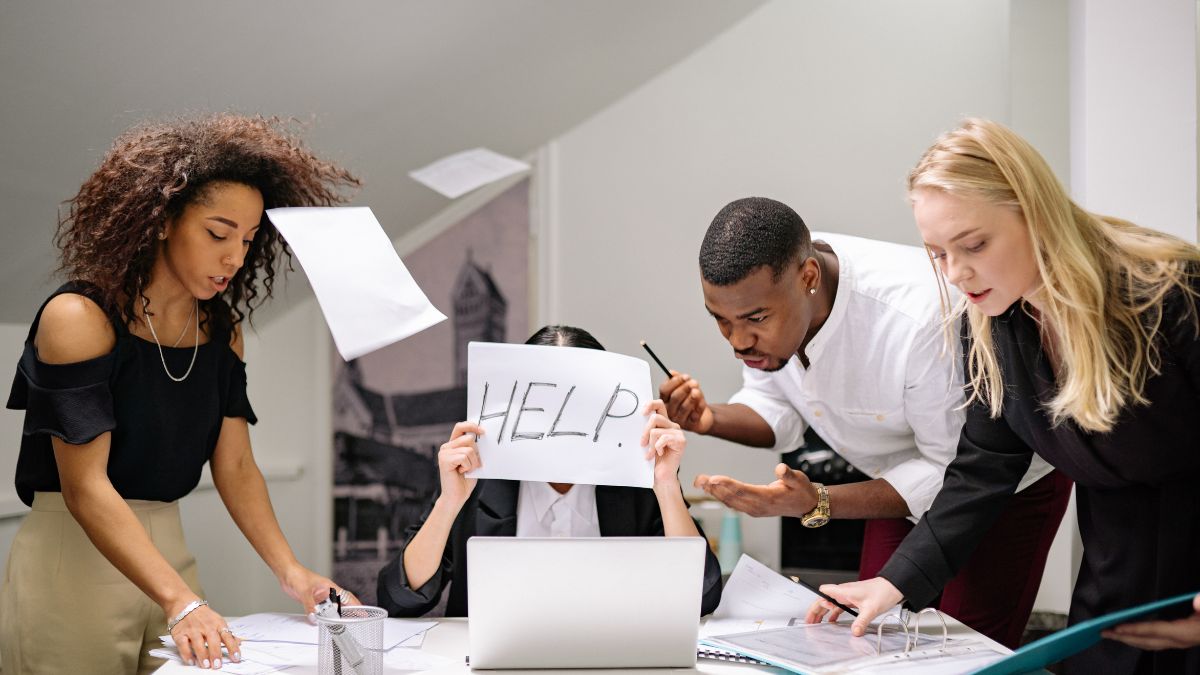
Why a Face-Down Phone Often Signals Stress, Not Distraction – Subtle Habit Explained
Signals Stress

At first glance, placing a phone face-down on the table looks like basic courtesy. It quietly signals that the person across from you has your attention. But for many people, that gesture has very little to do with manners. It is a learned response from a nervous system that spent years bracing for the next … Read more
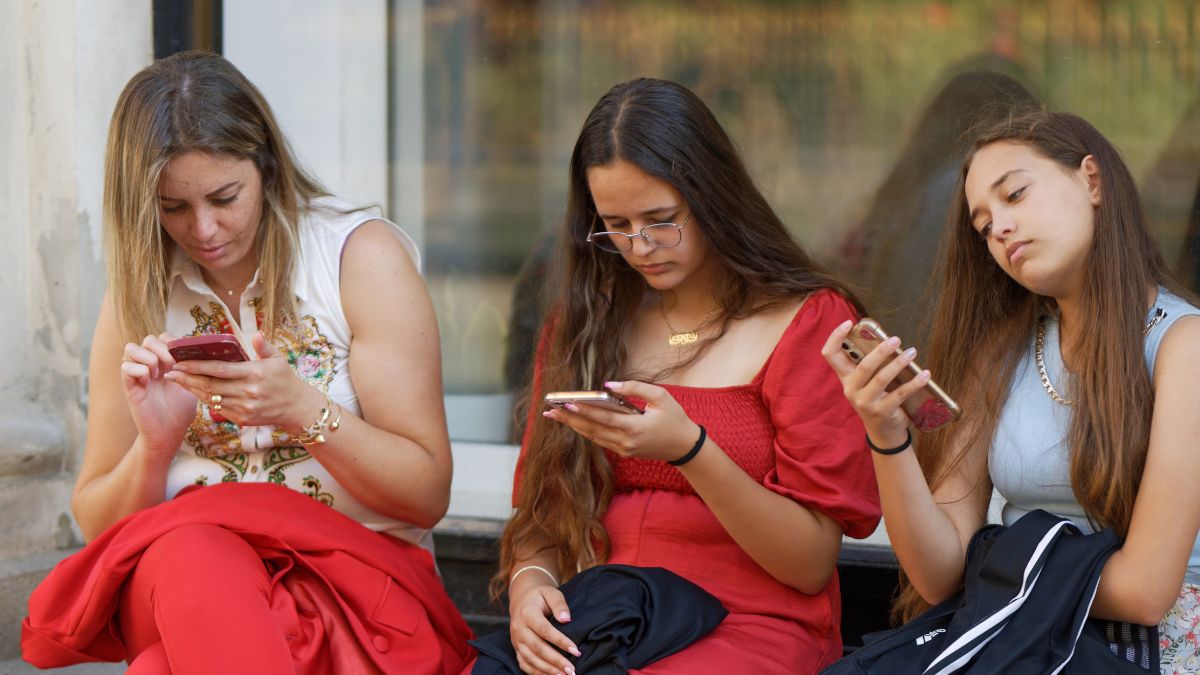
Face Down Phones – Why Some People Turn Their Screens Over During Conversations

Conversations

A phone buzzes on the table during dinner. Almost automatically, someone reaches over and flips it face-down. The movement is quick, familiar, and easy to miss. The gesture is usually interpreted as polite behavior. It signals attention, respect, and an effort to stay present with the people nearby. In many cases, that explanation is accurate. … Read more

Delayed Responses in Conflict – Why Some People Need Time Before They Speak

Delayed Responses in Conflict

Maya sat quietly across from her partner during an argument on a Sunday afternoon. She was listening, but she stopped responding almost entirely. Her face stayed neutral. Her posture remained still. The conversation continued around her while she seemed to retreat inward, processing privately rather than reacting aloud. Her partner interpreted the silence as withdrawal. … Read more

Calm Feels Empty – Why Crisis Ready People Struggle in Ordinary Life

Struggle

Some individuals function with clarity and composure during emergencies but experience discomfort, restlessness, or low motivation during routine periods. This pattern is often misunderstood as inconsistency. In reality, it reflects how the nervous system has adapted to prolonged or repeated stress. When the body becomes accustomed to high-alert states, calm environments may not register as … Read more

Workplace Lunch Habits – Why Rest Means Different Things to Different People

Workplace

Workplace disagreements are often attributed to personality differences, communication styles, or conflicting priorities. However, some tensions emerge from less obvious sources. A common example is the divide between employees who prefer to eat lunch alone and those who seek social interaction during breaks. At first glance, this may appear to be a simple preference. In … Read more

Autonomous Exit in Psychology – Why Some People Always Choose the Aisle Seat

Aisle Seat

Airplane seat preferences often seem like small, practical choices. Some travelers prefer the window for the view, others tolerate the middle when options are limited, and many intentionally select the aisle. While convenience is usually the explanation people give, psychologists suggest that seating choices can reflect deeper psychological patterns. One concept that helps explain this … Read more