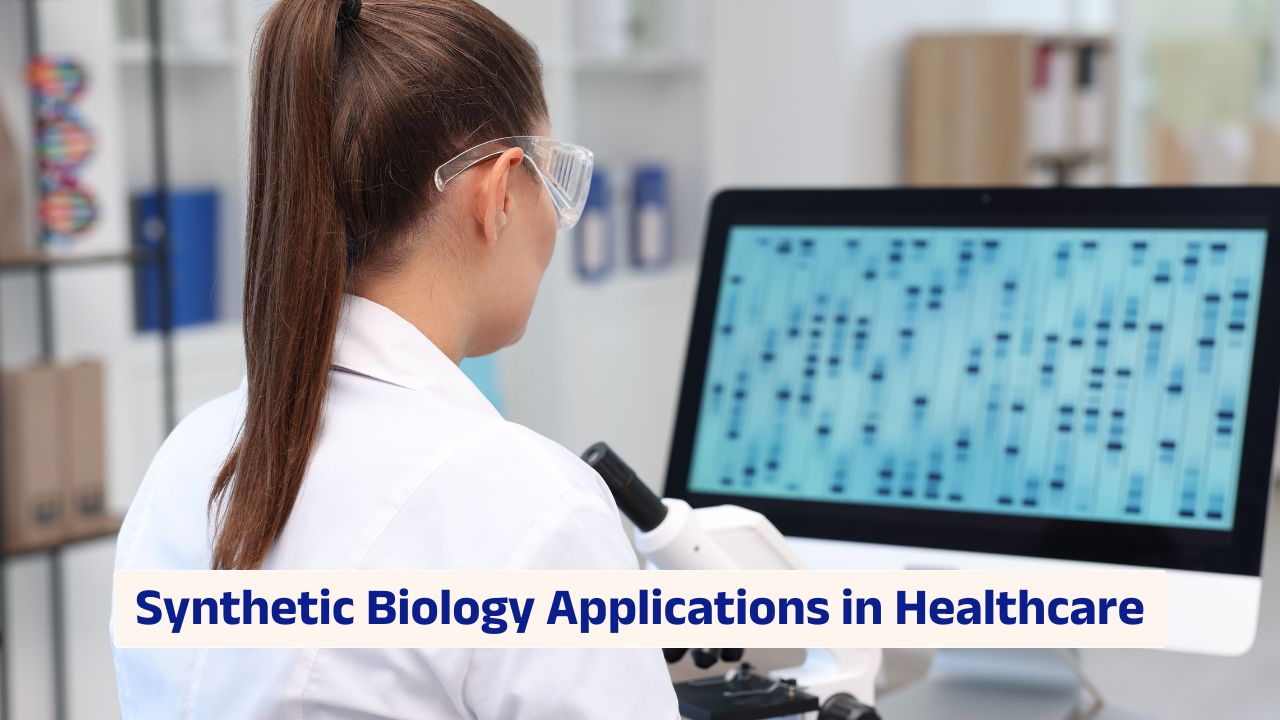
Synthetic biology applications in healthcare are rapidly reshaping how therapies are designed, manufactured, and commercialized across the United States.
By engineering biological systems with programmable precision, companies are moving beyond traditional drug discovery into modular platforms that integrate genetics, computation, and scalable bioprocessing. The implications extend from rare disease treatment to advanced cell therapies and next-generation vaccines.
Unlike conventional biotechnology, synthetic biology emphasizes standardized genetic parts, predictable biological circuits, and system-level engineering. This shift is influencing regulatory frameworks, intellectual property strategy, and capital formation, particularly as the U.S. Food and Drug Administration adapts oversight models to increasingly complex living medicines.
| FDA evolving frameworks for gene-edited and engineered cell therapies under biologics regulations. | Details |
|---|---|
| Therapeutic Engineering | Programmable cells and gene circuits enable targeted oncology, immunology, and rare disease treatments. |
| Manufacturing Innovation | Cell free systems and modular bioprocessing platforms reduce cost and accelerate biologics production. |
| Regulatory Oversight | FDA evolving frameworks for gene edited and engineered cell therapies under biologics regulations. |
| Commercial Models | Platform biotech strategies attract venture and public market investment on Nasdaq. |
| Biosecurity and Ethics | HHS and NIH emphasize safety, dual use risk mitigation, and responsible innovation standards. |
Therapeutics
One of the most visible synthetic biology applications in healthcare is the engineering of cell and gene therapies. By designing genetic circuits that sense and respond to disease signals, developers can create programmable immune cells capable of targeting malignancies with greater specificity.
This approach builds on advances in gene editing and leverages regulatory pathways overseen by the U.S. Food and Drug Administration for cellular and gene therapy products.
Engineered microbes are also being developed as living therapeutics for gastrointestinal and metabolic disorders. These candidates are constructed to deliver biologically active molecules in situ, offering localized treatment while potentially minimizing systemic exposure.
For sponsors, this introduces complex chemistry, manufacturing, and controls considerations that differ significantly from small molecule drugs.
In oncology, synthetic promoters and logic-gated constructs are being integrated into chimeric antigen receptor platforms. Such designs aim to reduce off target toxicity by activating only under defined tumor microenvironment conditions. Regulatory reviewers increasingly evaluate not only clinical endpoints but also the predictability and stability of engineered constructs.
Vaccines
Synthetic biology has accelerated vaccine development by enabling rapid design of antigen sequences and optimized expression systems. mRNA and DNA platforms benefit from codon optimization, synthetic promoters, and scalable manufacturing processes that can be adapted quickly to emerging pathogens.
Federal agencies, including the National Institutes of Health, have supported foundational research through programs described by the National Institutes of Health research initiatives.
Beyond infectious disease, synthetic constructs are being observed for personalized cancer vaccines. By encoding tumor-specific neoantigens, developers seek to elicit tailored immune responses.
Commercial viability depends on digital integration, rapid sequencing, and just-in-time manufacturing, all of which must comply with current good manufacturing practice standards.
Manufacturing
Traditional biologics manufacturing relies on stable cell lines and long development timelines. Synthetic biology introduces modular genetic parts and cell-free systems that can streamline protein production.
These innovations may reduce batch variability and improve scalability, which is critical for therapies targeting smaller patient populations.
From a commercialization standpoint, platform companies often position themselves as technology enablers rather than single asset developers. This model supports diversified pipelines and partnership revenue, attracting venture capital and public investors.
Nasdaq-listed synthetic biology firms frequently emphasize proprietary design algorithms and automated biofoundries as competitive differentiators.
However, manufacturing innovation also raises regulatory scrutiny. Process changes, digital design tools, and automated assembly must be validated under established quality systems. The FDA continues to evaluate how emerging technologies fit within biologics license application frameworks and post-approval change management protocols.
Governance
As synthetic biology applications in healthcare expand, governance considerations become central to long-term adoption.
The Department of Health and Human Services and the NIH have emphasized biosecurity, dual-use risk assessment, and responsible conduct of research. Companies must integrate safety by design principles into early development to mitigate reputational and regulatory risk.
Intellectual property strategy is equally pivotal. Engineered genetic sequences, computational design tools, and manufacturing methods create layered patent landscapes. Strategic filings can influence partnership leverage and acquisition value, particularly in competitive therapeutic areas.
Looking ahead, synthetic biology applications in healthcare are likely to converge with artificial intelligence driven design and advanced analytics. As regulatory science evolves and reimbursement frameworks adapt, the sector will require coordinated engagement among developers, regulators, and payers.
For biotech executives, the opportunity lies not only in scientific innovation but in aligning engineering precision with disciplined regulatory and commercialization execution.
FAQs
What are the applications of synthetic biology in healthcare?
Synthetic biology applications in healthcare involve engineering biological systems, cells, or genetic circuits to create new therapies, vaccines, diagnostics, and manufacturing platforms. These approaches emphasize programmable and modular design rather than traditional drug discovery methods.
How does the FDA regulate synthetic biology therapies?
The FDA regulates most synthetic biology therapies under existing biologics and gene therapy frameworks. Sponsors must demonstrate safety, efficacy, and manufacturing control, including validation of engineered genetic constructs and quality systems compliance.
What role does synthetic biology play in vaccine development?
Synthetic biology enables rapid antigen design, optimized gene expression, and scalable production platforms for vaccines. These tools support faster response to emerging pathogens and personalized vaccine strategies.
Are synthetic biology companies attractive to investors?
Many synthetic biology firms adopt platform-based models that generate diversified pipelines and partnership opportunities. This structure can appeal to venture capital and public market investors seeking scalable innovation platforms.
What are the main risks associated with synthetic biology in healthcare?
Key risks include regulatory uncertainty, manufacturing complexity, biosecurity concerns, and intellectual property challenges. Effective governance and early engagement with regulators are critical to long-term success.