Antiviral Fabric Research in Public Health Settings

Antiviral fabric research in public health settings regulatory and commercialization analysis

Antiviral fabric research has moved from experimental textile science into a strategic public health priority, particularly in high-risk healthcare environments. As hospitals, long-term care facilities, and emergency response systems seek additional infection prevention tools, functionalized textiles are being evaluated not only for durability and comfort but also for their capacity to inactivate viral particles on … Read more

How Biotech Commercialization Models Are Evolving

How biotech commercialization models are evolving in US market execution strategy

Biotech commercialization models are evolving in response to regulatory complexity, capital market discipline, and payer scrutiny in the United States. The traditional linear pathway from discovery to approval to sales force build out has given way to integrated, capital-efficient strategies that align clinical development with reimbursement and market access planning from the outset. In 2026, … Read more

FDA Fast-Track Designation Explained

FDA Fast-Track designation regulatory acceleration strategy for biotech developers

FDA Fast-Track designation remains one of the most strategically significant regulatory tools available to biotechnology sponsors in the United States. Designed to expedite development and review of drugs that address serious conditions and unmet medical needs, the program influences clinical planning, investor perception, and commercialisation timing. In 2026, Fast-Track designation is not merely a procedural … Read more

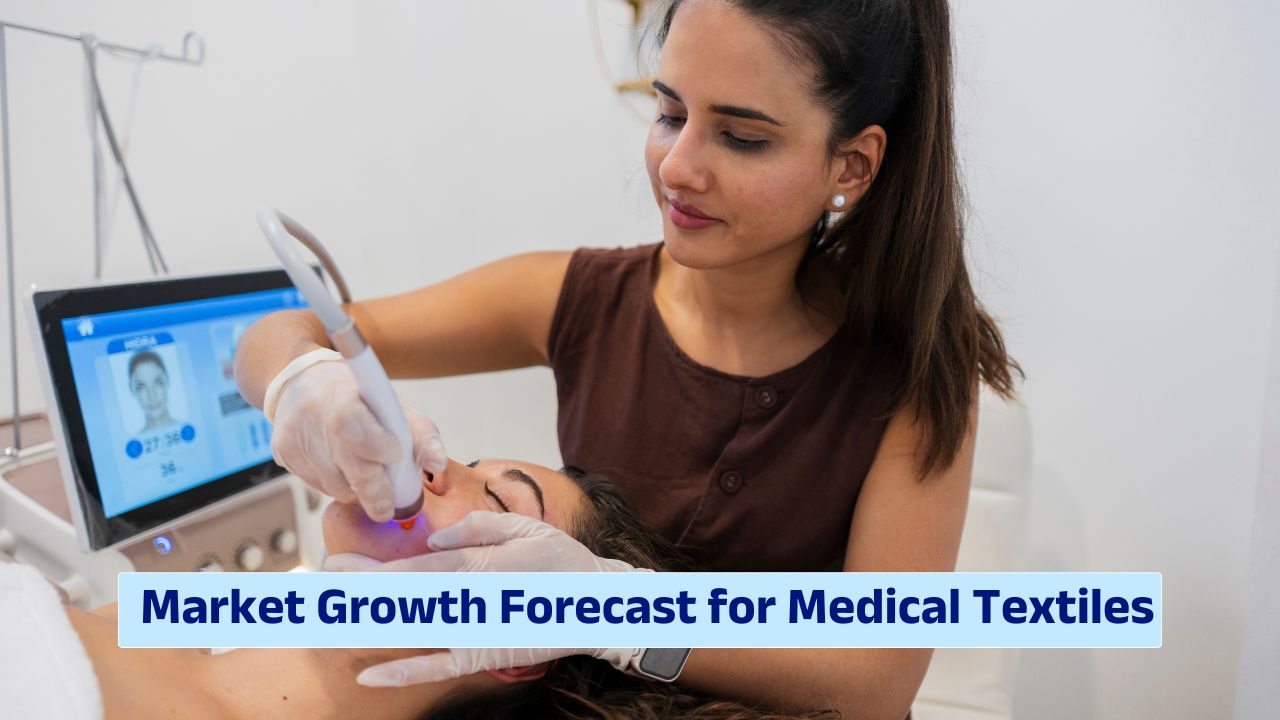
Market Growth Forecast for Medical Textiles

Market growth forecast for medical textiles highlighting regulatory and innovation trends

The market growth forecast for medical textiles in 2026 reflects a convergence of demographic pressure, surgical innovation, and regulatory refinement across the United States. From implantable meshes to advanced wound care fabrics, medical textiles have evolved into high-performance, compliance-driven products embedded within broader healthcare delivery systems. Unlike conventional textiles, these materials are engineered for biocompatibility, … Read more

Healthcare Commercialization Strategies Explained

Healthcare commercialization strategies aligned with regulatory and market execution

Healthcare commercialization strategies in 2026 are defined less by product launch mechanics and more by regulatory alignment, reimbursement architecture, and capital efficiency. In the United States, success increasingly depends on synchronizing clinical development with FDA engagement, CMS coverage planning, and investor expectations well before pivotal data readouts. Biotechnology and medical technology companies now treat commercialization … Read more

3D Bioprinting Developments in 2026

3D bioprinting developments in 2026 highlighting regulatory and commercialization advances

3D bioprinting in 2026 has moved decisively from academic promise to translational execution. What began as exploratory tissue fabrication a decade ago is now intersecting with regulated manufacturing, clinical trial design, and reimbursement strategy in the United States. The field’s trajectory reflects not only technical progress in bioinks and printing precision, but also a maturing … Read more

Personalized Medicine and Genomic Research Expansion

Personalized medicine and genomic research expansion in US healthcare innovation

Personalized medicine and genomic research expansion are redefining the strategic architecture of US healthcare innovation. As sequencing costs decline and bioinformatics capabilities mature, genomic data are increasingly integrated into clinical decision making, drug development pipelines, and population health strategies. What began as a research-driven initiative within academic medical centers has evolved into a commercial and … Read more

Safety Standards for Copper-Infused Materials

Safety standards for copper-infused materials in healthcare regulatory evaluation

Safety standards for copper-infused materials are gaining increased regulatory and commercial attention across the US healthcare, construction, and consumer product markets. As copper-based antimicrobial technologies expand into hospital surfaces, textiles, and high-touch infrastructure, manufacturers must align innovation with clearly defined safety and compliance frameworks. Copper has long been recognized for its antimicrobial properties, but when … Read more

Mergers and Acquisitions in the Healthcare Sector

Mergers and acquisitions in the healthcare sector with strategic regulatory analysis focus

Mergers and acquisitions in the healthcare sector remain a defining force shaping US biotechnology, pharmaceutical, medtech, and provider markets. As capital markets tighten and innovation cycles accelerate, strategic consolidation is increasingly used to secure pipeline assets, expand therapeutic reach, and achieve operational scale. In recent years, transaction activity has reflected a recalibration of valuation expectations … Read more

Smart Fabrics for Healthcare Workers

Smart fabrics for healthcare workers with embedded sensors in clinical apparel

Smart fabrics for healthcare workers are moving from pilot innovation to strategic infrastructure within US health systems. As hospitals confront staffing shortages, occupational safety risks, and data integration demands, textile-based technologies are emerging as a practical extension of clinical monitoring and infection prevention strategies. Unlike conventional scrubs or personal protective equipment, smart fabrics integrate sensors, … Read more