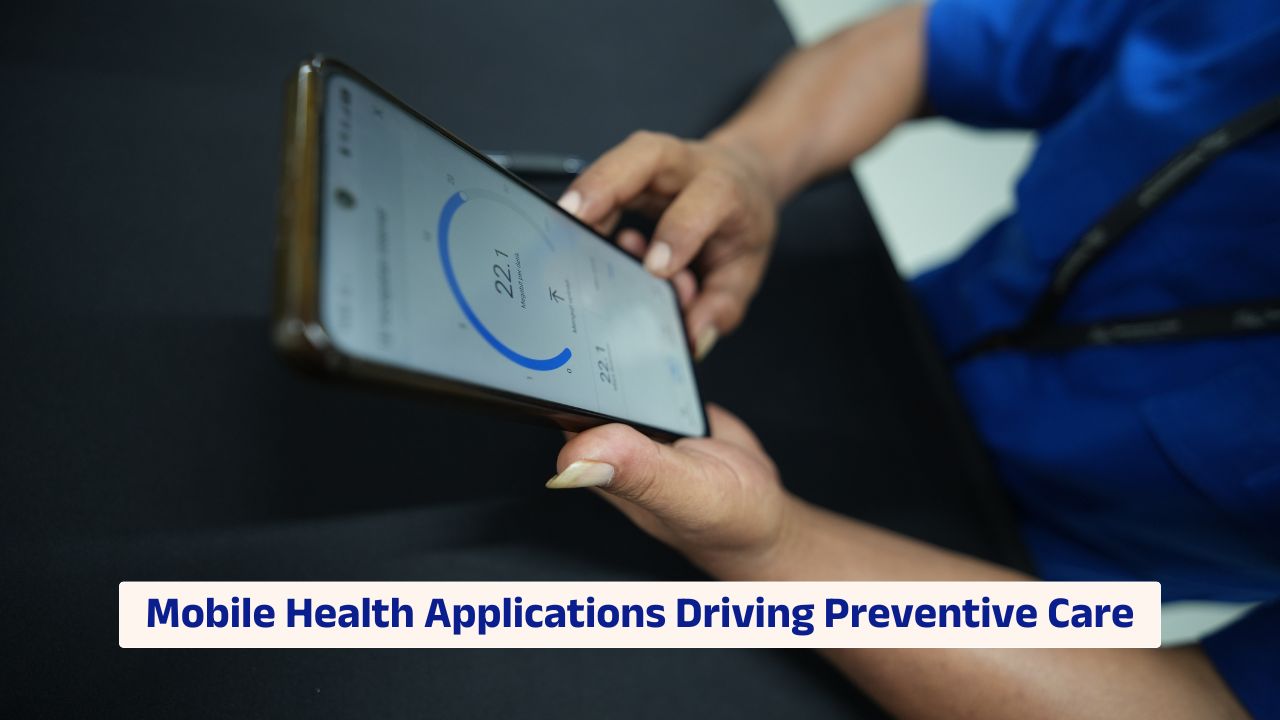
Mobile health applications are rapidly reshaping the preventive care landscape in the United States, shifting healthcare delivery from episodic intervention to continuous engagement.
As smartphone penetration deepens and digital literacy expands, these applications are becoming integral tools for early risk detection, chronic disease management, and personalized health monitoring.
The convergence of wearable technologies, data analytics, and regulatory clarity is enabling a new paradigm where prevention is not only scalable but also economically viable.
| Key Point | Details |
|---|---|
| Adoption Growth | Mobile health apps are increasingly integrated into patient care pathways and wellness programs |
| Regulatory Oversight | FDA frameworks are evolving to classify and monitor digital health tools as medical devices |
| Data Integration | Interoperability with EHR systems enhances clinical decision-making and longitudinal tracking |
| Commercial Models | Subscription, employer-sponsored, and payer-integrated models drive revenue growth |
| Clinical Utility | Apps support early detection of conditions such as hypertension, diabetes, and arrhythmias |
Adoption
The adoption of mobile health applications has accelerated as healthcare systems prioritize preventive care to reduce long-term costs. Employers, payers, and integrated delivery networks are increasingly incorporating these tools into population health strategies.
This shift aligns with value-based care models promoted by the Centers for Medicare and Medicaid Services, where reimbursement is tied to outcomes rather than volume.
Consumers are also playing a central role in adoption. Applications focused on fitness tracking, nutrition monitoring, and mental health are now positioned as entry points into broader clinical ecosystems.
As patients become more proactive in managing their health, mobile platforms serve as continuous engagement channels that extend beyond traditional clinical settings.
Regulation
Regulatory clarity remains a critical factor in the scalability of mobile health applications. The US Food and Drug Administration has established a risk-based framework to determine which digital health tools qualify as Software as a Medical Device.
Developers must navigate premarket submissions, real-world evidence requirements, and post-market surveillance obligations.
The FDA’s Digital Health Center of Excellence has also introduced initiatives to streamline innovation while maintaining patient safety.
Developers can reference guidance on clinical evaluation and software validation through FDA digital health programs, which outline expectations for transparency and performance.
Technology
Advances in sensor technology and artificial intelligence are enhancing the predictive capabilities of mobile health applications. Wearables now capture continuous biometric data, including heart rate variability, sleep patterns, and physical activity levels.
When integrated with machine learning algorithms, these data streams can identify early warning signals for disease onset.
Interoperability is another critical enabler. Integration with electronic health records allows clinicians to access patient-generated data in real time, supporting more informed decision-making.
Standards promoted by the Office of the National Coordinator for Health Information Technology are helping to reduce fragmentation and improve data exchange across platforms.
Economics
The commercialization of mobile health applications is evolving rapidly, with diverse revenue models emerging across the ecosystem. Subscription-based platforms targeting consumers coexist with enterprise solutions designed for employers and health plans.
Payers are increasingly reimbursing digital therapeutics, particularly when supported by clinical evidence demonstrating cost savings and improved outcomes.
Investment activity reflects growing confidence in the sector. Venture capital and strategic partnerships are fueling innovation, particularly in areas such as remote patient monitoring and behavioral health.
Public market interest, including listings on Nasdaq, further underscores the perceived long-term value of digital health platforms.
Clinical
From a clinical perspective, mobile health applications are enabling earlier intervention and more precise risk stratification.
For example, continuous glucose monitoring apps support proactive diabetes management, while cardiac monitoring tools can detect arrhythmias before they become symptomatic.
These capabilities align with preventive care goals by reducing hospitalizations and improving quality of life.
Evidence generation remains essential for sustained adoption. Clinical validation studies, often conducted in collaboration with academic medical centers, are critical to demonstrating efficacy.
Resources from the National Institutes of Health, including digital health research initiatives available at NIH digital health research programs, are supporting the development of evidence-based applications.
Mobile health applications are poised to become foundational components of preventive care strategies in the US healthcare system. As regulatory frameworks mature and interoperability improves, these tools will increasingly bridge the gap between patients and providers.
The next phase of growth will likely depend on demonstrating measurable clinical outcomes and integrating seamlessly into reimbursement models, positioning digital health as a core driver of value-based care transformation.
FAQs
What are mobile health applications in preventive care
Mobile health applications are digital tools designed to monitor health metrics, support lifestyle changes, and detect early signs of disease, helping prevent conditions before they become severe.
How are mobile health apps regulated in the US?
The FDA regulates certain mobile health apps as Software as a Medical Device, depending on their intended use and risk level, requiring compliance with safety and performance standards.
What role do wearables play in mobile health?
Wearables collect continuous health data such as heart rate and activity levels, which mobile apps analyze to provide insights and early warnings for potential health issues.
Are mobile health apps reimbursed by insurers
Some mobile health applications, particularly digital therapeutics, are reimbursed by insurers when supported by clinical evidence demonstrating improved outcomes or cost savings.
What challenges do mobile health applications face
Key challenges include regulatory compliance, data privacy concerns, interoperability issues, and the need for strong clinical validation to support widespread adoption.