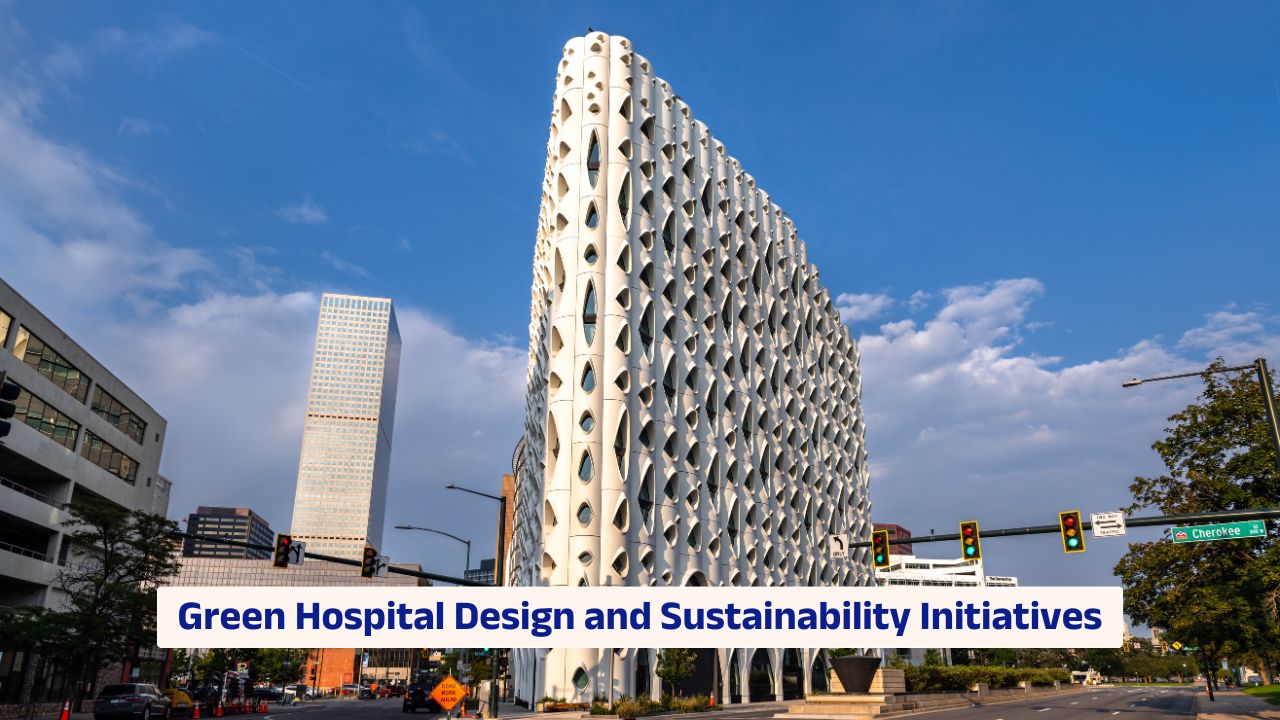
Green hospital design is rapidly becoming a strategic priority across the US healthcare system as providers confront rising operational costs, climate risks, and evolving regulatory expectations.
Hospitals are among the most energy-intensive commercial buildings, operating continuously with strict environmental controls.
Integrating sustainability into facility design is no longer a symbolic effort, but a measurable pathway to resilience, cost containment, and improved patient outcomes.
| Key Point | Details |
|---|---|
| Energy Efficiency | Advanced HVAC systems, LED lighting, and smart energy management reduce operational costs |
| Regulatory Alignment | Supports compliance with federal sustainability initiatives and ESG reporting expectations |
| Patient Outcomes | Natural lighting and air quality improvements enhance recovery and satisfaction |
| Water Management | Low-flow systems and recycling reduce water consumption and infrastructure strain |
| Waste Reduction | Sustainable procurement and waste segregation lower environmental footprint |
| Market Positioning | Enhances investor appeal and aligns with ESG-driven capital allocation |
Drivers
The push toward green hospital infrastructure is shaped by regulatory, economic, and clinical forces. Federal agencies, including the Department of Health and Human Services, increasingly emphasize climate resilience in healthcare delivery.
Programs tied to sustainability reporting and carbon reduction are influencing hospital capital planning and infrastructure upgrades.
At the same time, rising energy costs and supply chain volatility have exposed vulnerabilities in traditional hospital operations. Sustainable design offers long-term cost predictability through reduced energy consumption and improved resource efficiency.
This aligns with broader ESG expectations from institutional investors and healthcare systems listed on US exchanges.
Design
Modern green hospitals integrate sustainability at the architectural and engineering levels. High-performance building envelopes, optimized insulation, and advanced glazing systems reduce thermal loss and energy demand.
Smart building technologies enable real-time monitoring of energy use, allowing facilities to dynamically adjust consumption based on occupancy and clinical needs.
Indoor environmental quality is another central component. Access to daylight, improved ventilation, and the use of non-toxic materials contribute to healthier indoor spaces.
Research supported by the National Institutes of Health highlights the link between environmental conditions and patient recovery, reinforcing the clinical value of sustainable design.
Energy
Energy systems represent the largest opportunity for sustainability gains. Hospitals are adopting renewable energy sources such as solar and combined heat and power systems to reduce reliance on grid electricity.
Microgrid infrastructure is also gaining traction, enhancing resilience during extreme weather events and grid disruptions.
Energy-efficient HVAC systems are particularly critical given the need for strict infection control and air filtration.
Advanced systems can maintain clinical standards while significantly reducing energy intensity. These investments are increasingly supported by federal incentives and state-level clean energy programs.
Water
Water conservation is another priority, especially in regions facing supply constraints. Hospitals are implementing low-flow fixtures, greywater recycling, and rainwater harvesting systems. These approaches reduce operational costs while supporting broader environmental goals.
Efficient water management also intersects with infection control protocols. Advanced filtration and monitoring systems ensure water safety while minimizing waste.
Regulatory guidance from agencies such as the Environmental Protection Agency continues to shape best practices in this area.
Waste
Healthcare waste streams are complex, including hazardous, pharmaceutical, and general waste. Green hospital initiatives focus on waste segregation, reduction, and sustainable procurement.
Reusable medical supplies and environmentally preferable purchasing policies are becoming more common across leading US health systems.
Digitalization also plays a role in reducing waste. Electronic health records, telemedicine, and optimized supply chain systems minimize paper use and excess inventory. These operational efficiencies contribute to both sustainability goals and cost savings.
Market
From a commercialization perspective, green hospital design is increasingly tied to competitive positioning. Health systems that demonstrate measurable sustainability outcomes are better positioned to attract partnerships, funding, and patient trust.
ESG metrics are becoming a standard component of investor evaluations, particularly for publicly traded healthcare organizations.
Vendors and developers are also adapting, offering integrated solutions that combine design, technology, and sustainability consulting. This ecosystem is creating new opportunities for innovation across medical infrastructure, digital health, and facility management.
Looking ahead, green hospital design will likely evolve from a differentiator to a baseline expectation in US healthcare infrastructure. Regulatory alignment, cost efficiency, and patient-centered outcomes will continue to drive adoption.
Organizations that integrate sustainability into their core strategy today are positioning themselves for long-term operational resilience and market relevance.
FAQs
What is green hospital design?
Green hospital design refers to healthcare facility planning and construction practices that prioritize energy efficiency, sustainability, and environmental responsibility.
Why is sustainability important in hospitals
Sustainability reduces operational costs, improves patient outcomes, and aligns healthcare systems with regulatory and ESG expectations.
How do green hospitals improve patient outcomes?
Features like natural light, improved air quality, and non-toxic materials contribute to faster recovery and better patient satisfaction.
What technologies support green hospital initiatives
Smart energy systems, renewable energy sources, advanced HVAC, and digital health tools support sustainability goals.
Are green hospitals more expensive to build
Initial costs may be higher, but long-term savings from reduced energy and resource use often offset upfront investments.