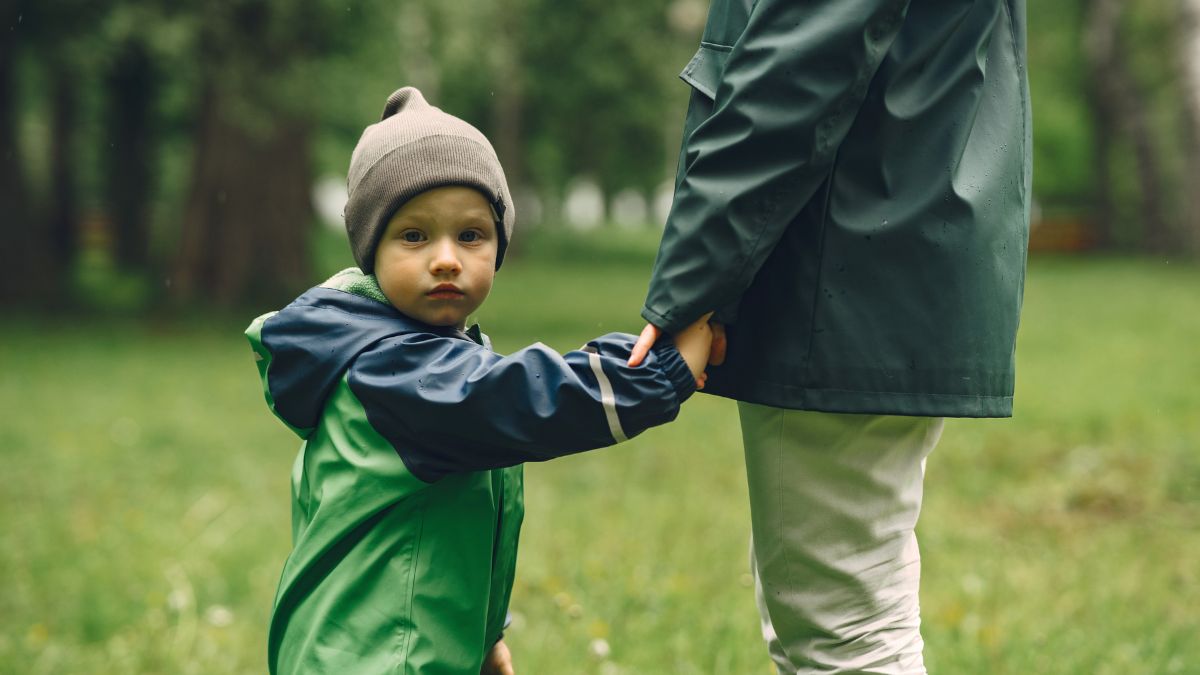
In many families, strength does not always look loud or obvious. Sometimes, the strongest individuals are the ones who learned early in life to handle emotional burdens that were never meant for children.
Psychology often points out that in some family systems, certain children naturally step into roles where they absorb stress, calm conflicts, and support others emotionally. Over time, these responsibilities can shape their personality and resilience.
These individuals may grow into adults who appear strong, dependable, and emotionally mature. Yet their strength often began as a necessity rather than a choice.
Roles
Families often develop unspoken roles, especially during times of stress. Some children become the peacekeepers, some the caregivers, and others the quiet observers who try to hold everything together emotionally.
When parents are overwhelmed by financial stress, relationship conflicts, or emotional struggles, children may sense the tension around them. Even without being asked, they may begin adjusting their behavior to stabilize the household.
Common roles children take on include:
| Family Situation | Child’s Role |
|---|---|
| Frequent conflict | Peacemaker |
| Emotionally overwhelmed parents | Caregiver |
| Family instability | Responsible helper |
| Lack of emotional support | Quiet problem-solver |
At the time, these roles may feel like survival strategies rather than conscious choices.
Adaptation
Children are highly sensitive to emotional environments. When they notice distress in adults around them, they may suppress their own needs to avoid adding more pressure.
For example, a child might stop expressing sadness because they believe their parents already have too much to handle. Another might become unusually responsible, helping siblings or managing tasks beyond their age.
This adaptation builds emotional awareness and responsibility. But it also means the child is carrying emotional weight that normally belongs to adults.
Strength
Psychology recognizes that these experiences can develop impressive strengths. Many individuals who carried emotional responsibilities early in life become highly empathetic, resilient, and dependable adults.
They often develop qualities such as:
- strong emotional intelligence
- ability to support others during crisis
- maturity beyond their age
- deep sense of responsibility
Because they learned early how to manage difficult emotions, they may stay calm in stressful situations where others struggle.
Hidden Cost
However, early emotional responsibility can also come with challenges. When a child constantly focuses on others’ needs, they may struggle to recognize or express their own emotions later in life.
Some adults who grew up this way may experience patterns such as:
| Adult Pattern | Possible Origin |
|---|---|
| Difficulty asking for help | Used to solving problems alone |
| Feeling responsible for others’ emotions | Early caregiver role |
| Emotional exhaustion | Years of carrying family stress |
| Struggles with boundaries | Habit of prioritizing others |
These patterns are not signs of weakness. They are reflections of the roles these individuals learned to play when they were young.
Awareness
Understanding this dynamic can help people develop healthier emotional balance. When someone realizes that their “strength” started as a survival role, it allows them to treat themselves with more compassion.
They can begin learning that being strong does not always mean carrying everything alone. True strength also includes allowing support, setting boundaries, and acknowledging personal needs.
Over time, many people learn to keep the resilience they developed while releasing the pressure of feeling responsible for everyone else.
In many families, the strongest children are not necessarily the loudest or most visible. They are often the quiet observers who learned early how to carry emotional weight. Their strength grew from necessity, shaped by empathy, responsibility, and the ability to hold space for others. Recognizing this story behind their strength can help them build healthier, more balanced lives as adults.
FAQs
What does emotional weight mean in families?
It refers to handling stress, conflict, or emotional support early.
Why do some children become emotionally responsible?
They adapt to family stress or unstable environments.
Can early responsibility affect adulthood?
Yes, it can influence empathy, boundaries, and stress coping.
Is being the strong child harmful?
It can create resilience but may also cause emotional pressure.
Can people heal from emotional family roles?
Yes, awareness and support help create healthier balance.