Government Policy Impact on Healthcare Commercialization
Government policy impact on healthcare commercialization and biotech regulatory strategy

Government policy plays a central role in shaping how healthcare innovations move from research laboratories to commercial markets in the United States. Biotechnology companies, medical device developers, and digital health firms must navigate a policy landscape that influences regulatory approval, reimbursement frameworks, and long-term market access. Federal agencies, congressional legislation, and public health initiatives collectively … Read more


Funding Rounds in Early-Stage Healthcare Startups

Funding rounds in early-stage healthcare startups and biotech venture capital strategy

Early-stage healthcare startups operate within one of the most capital-intensive sectors of the innovation economy. From biotechnology therapeutics to digital health platforms and medical devices, companies must secure multiple rounds of financing long before meaningful revenue generation occurs. Funding rounds, therefore, serve as both a capital source and a strategic validation mechanism within the US … Read more

Commercializing Antimicrobial Products in the US Market

Commercializing antimicrobial products in the US pharmaceutical market and regulatory landscape

Commercializing antimicrobial products in the United States presents a complex intersection of scientific innovation, regulatory scrutiny, and market dynamics. Rising antimicrobial resistance has intensified the urgency for new treatments, yet developers must navigate challenging economic incentives and evolving regulatory frameworks before bringing products to market. Pharmaceutical companies, emerging biotech firms, and academic innovators are increasingly … Read more

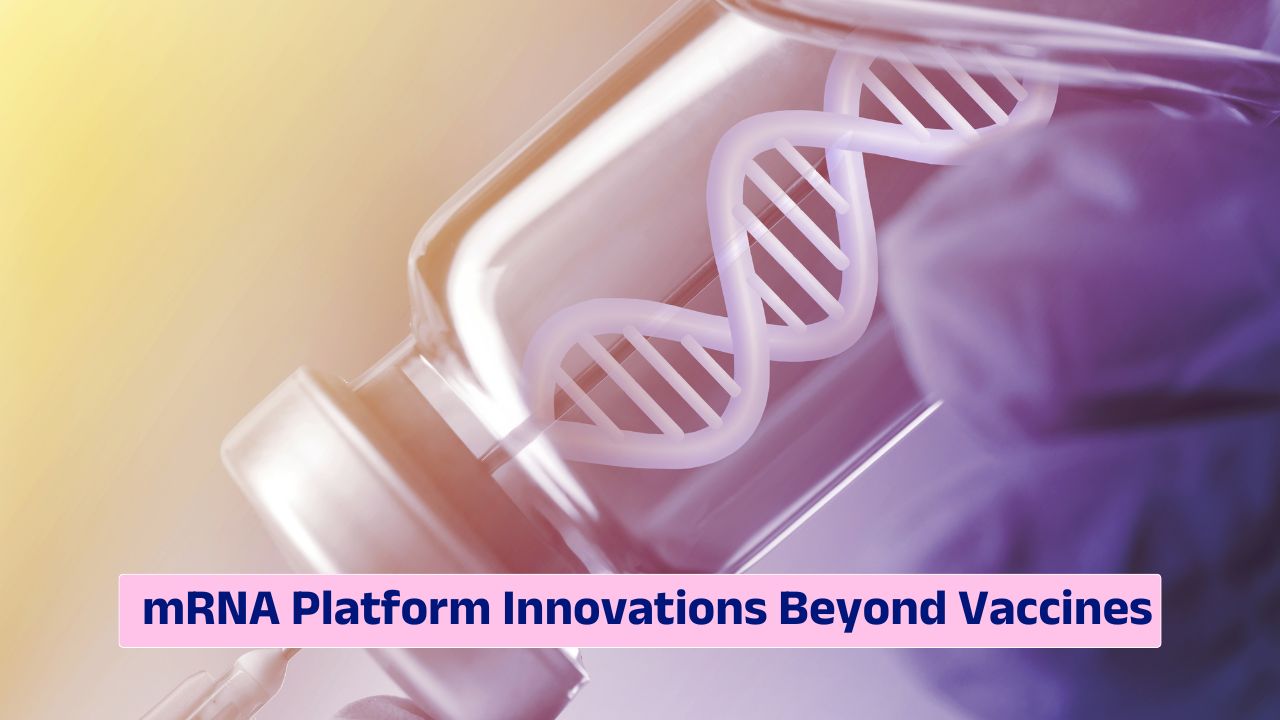
mRNA Platform Innovations Beyond Vaccines

mRNA platform innovations expanding beyond vaccines in biotechnology research

Messenger RNA technology moved into global focus during the COVID-19 vaccine rollout, but the platform’s scientific potential extends well beyond infectious disease prevention. Biotechnology companies, academic labs, and investors are increasingly investigating mRNA as a programmable therapeutic modality capable of addressing oncology, rare diseases, and regenerative medicine. The underlying appeal lies in the platform’s flexibility. … Read more

Bioengineered Skin Substitutes in Advanced Wound Care

Bioengineered skin substitutes used in advanced wound care and regenerative medicine therapies

Bioengineered skin substitutes are emerging as an important innovation in advanced wound care, particularly for chronic wounds that fail to heal through conventional treatment. Conditions such as diabetic foot ulcers, pressure injuries, and severe burns place a significant burden on the US healthcare system. Tissue-engineered skin products are designed to accelerate healing by replicating the … Read more

Ethical Considerations in Gene Editing Research

Ethical considerations in gene editing research and CRISPR biotechnology governance

Gene editing technologies are transforming biomedical research and therapeutic development. Tools such as CRISPR-based systems allow scientists to modify DNA with unprecedented precision, enabling new approaches to treat genetic diseases, engineer cell therapies, and advance agricultural biotechnology. As these capabilities expand, ethical considerations have become central to how gene editing research is governed and applied. … Read more

Global Expansion Strategies for US Biotech Firms

Global expansion strategies for US biotech firms entering international healthcare markets

Global expansion has become a strategic priority for US biotechnology companies seeking new growth opportunities beyond domestic markets. As the industry matures and innovation pipelines expand, firms are increasingly targeting international regulatory approvals, cross-border partnerships, and diversified commercialization channels. Expanding globally allows biotech companies to reach larger patient populations, access new capital sources, and strengthen … Read more

Medical Supply Chain Modernization Trends in US Healthcare

Medical supply chain modernization trends transforming US healthcare logistics systems

The medical supply chain in the United States is undergoing structural modernization as healthcare systems respond to lessons from pandemic disruptions, evolving regulatory oversight, and increasing demand for resilience. Hospitals, manufacturers, and distributors are shifting away from fragmented procurement models toward digitally integrated networks designed to improve transparency, risk management, and operational continuity. Supply chain … Read more

RNA-Based Therapeutics and Their Expanding Market

RNA based therapeutics research and biotechnology development concept

RNA-based therapeutics have moved from experimental molecular biology to a rapidly expanding segment of the pharmaceutical industry. Advances in RNA chemistry, delivery technologies, and manufacturing scalability are enabling therapies that directly modulate gene expression rather than targeting proteins alone. This shift is reshaping drug development strategies across rare diseases, oncology, metabolic disorders, and infectious disease … Read more

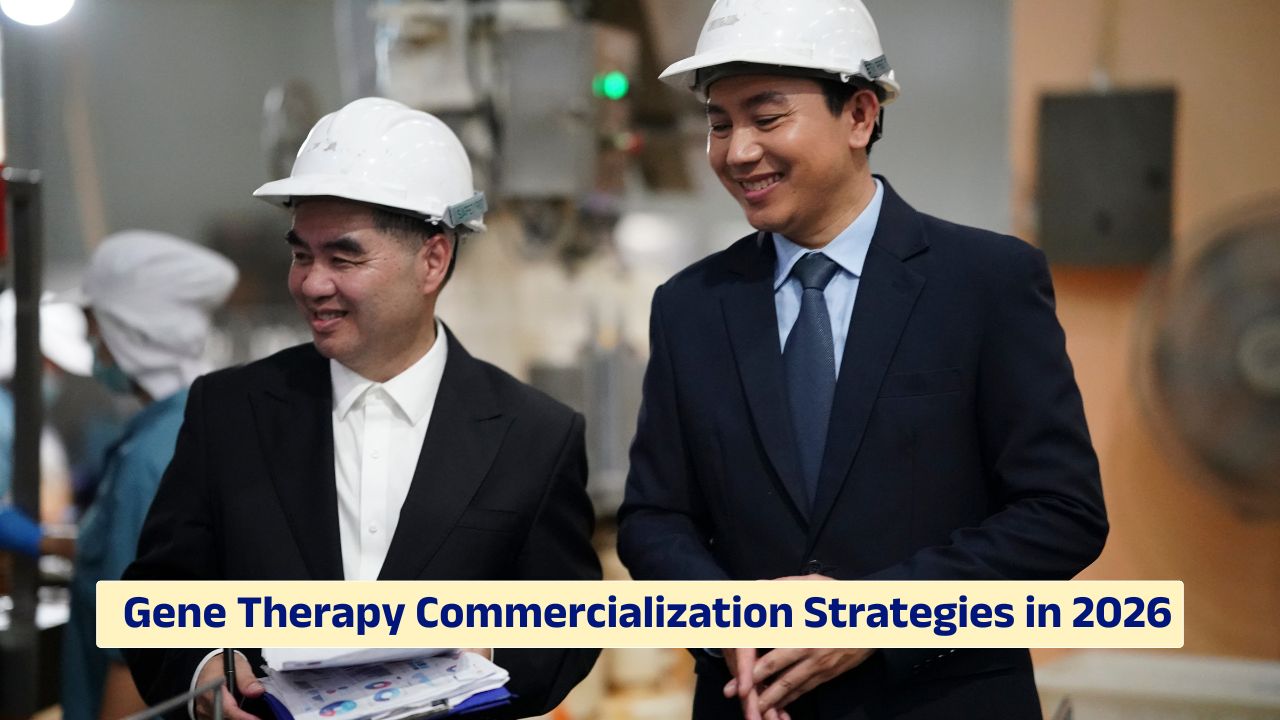
Gene Therapy Commercialization Strategies in 2026

Gene therapy commercialization strategies in 2026 highlighting manufacturing and regulatory planning

Gene therapy commercialization strategies in 2026 are entering a more disciplined phase as US biotech companies transition from scientific validation to scalable market execution. Following a decade marked by breakthrough approvals and record venture inflows, the commercial environment now demands operational maturity, reimbursement clarity, and sustainable manufacturing economics. Companies developing one-time, high-cost therapies must balance … Read more