Parental Indulgence and Adult Personality Traits – What a New Psychology Study Found

Parental Indulgence

A recent study published in Current Psychology examines how adults’ recollections of childhood parenting may relate to the development of so-called “Dark Triad” personality traits. These traits include psychopathy, Machiavellianism, and narcissism, which are typically associated with socially challenging behaviors such as impulsivity, manipulation, and entitlement. The research does not claim direct causation, but it … Read more

Workplace Conflict – Why Stepping Outside Before Responding Matters

Workplace Conflict

Psychology suggests that people who step outside to breathe before responding in a tense conversation are not necessarily avoiding responsibility or being emotional. In many workplace settings, this brief pause serves a regulatory function. It allows emotional intensity to decrease before communication continues. While the behavior can be misinterpreted as withdrawal or frustration, research in … Read more

Ten Minutes Early – What Psychology Research Says About Time Buffers

Psychology

Arriving a few minutes early is often interpreted as a habit tied to discipline or personal preference. However, psychological research suggests a more functional explanation related to how the brain handles time pressure. A consistent buffer before appointments or meetings appears to reduce cognitive strain by separating travel-related stress from task-related thinking. This small interval, … Read more

Old Group Chats Revisited – Why People Reopen Years Old Conversations

Conversations

Late-night scrolling through old group chats is a familiar behavior for many users of messaging platforms. Instead of moving toward rest, some individuals revisit conversations from years earlier, reading through long threads that document friendships, trips, and everyday exchanges that have since faded. While this behavior is sometimes interpreted as nostalgia or reluctance to move … Read more

Unread Messages Explained – Why Slow WhatsApp Replies Signal Mental Fatigue

Unread Messages

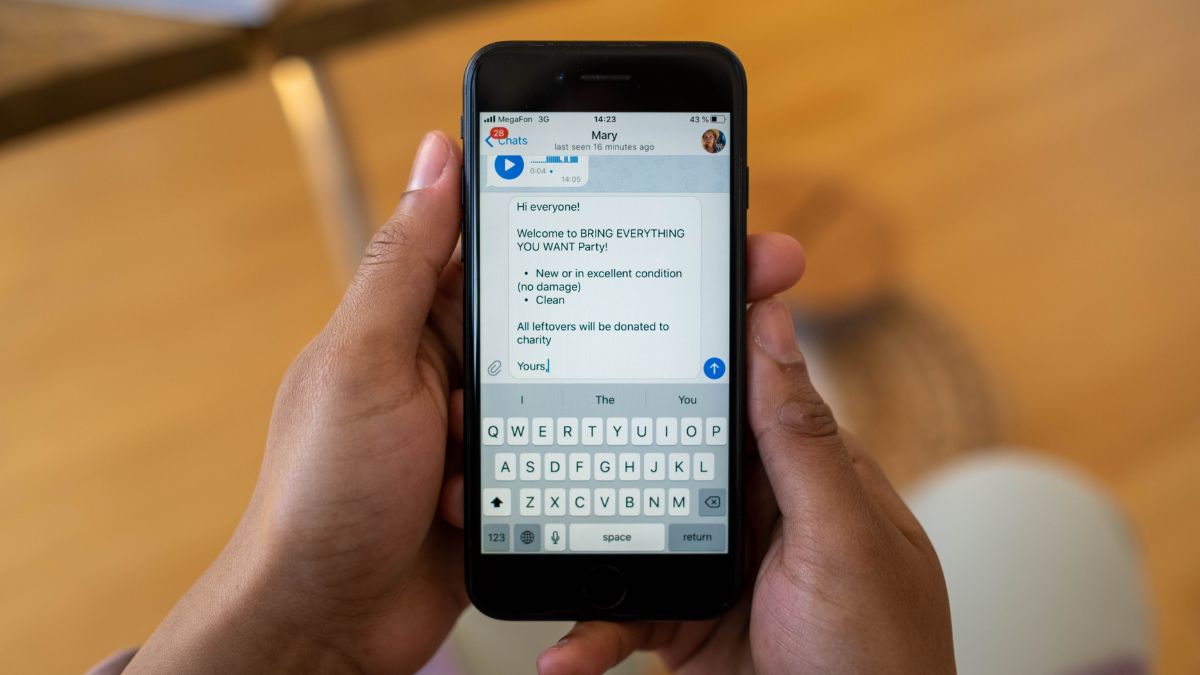
Feeling concerned when messages remain unanswered for hours or days is common in digital communication. However, psychological research and clinical observations suggest that delayed responses on platforms such as WhatsApp are often linked to cognitive fatigue and overstimulation rather than interpersonal disinterest. In an environment where individuals are continuously exposed to notifications, expectations of instant … Read more

Psychology Insight – Why Some People Step Away Before Responding During Conflict

Psychology

In many workplaces, disagreements unfold quickly. A sharp comment during a meeting, an unexpected criticism from a supervisor, or a tense email exchange can create pressure to respond immediately. While some people react in the moment, others choose a different approach. They step outside, take a few deep breaths, and return to the conversation later. … Read more

Psychology Insight – Why Some Adults Never Bring Their Phone Into the Bedroom

Phone

For many people, smartphones have become part of nearly every daily routine. They serve as alarm clocks, entertainment hubs, work tools, messaging devices, and sources of news. As a result, it is common to see people scrolling through social media before bed or checking notifications moments after waking up. Yet some adults follow a different … Read more

Psychology Insight – Why People Who Arrive Early May Be Protecting Their Peace

Psychology

There is usually one person in every family, workplace, or friend group who seems to arrive early for everything. They reach the airport long before boarding begins, show up to appointments ten minutes ahead of schedule, and rarely appear rushed. To some people, this habit may seem unnecessary. In a world filled with calendars, reminders, … Read more

Psychology Insight – Why Adults Keep a Chair by the Window

Adults

In many homes and workplaces, there is often one chair that seems to have a special purpose. It sits near a window, slightly removed from the busiest parts of the room. People return to it during quiet moments, after demanding meetings, or between tasks that require sustained concentration. To an observer, sitting and looking out … Read more

Psychology Insight – Why Some People Walk With Their Hands Behind Their Back

Psychology

Have you ever noticed yourself walking slowly with your hands clasped behind your back while thinking through a problem or reflecting on your day? It is a common sight in parks, museums, school corridors, and quiet neighborhoods. While the posture is sometimes associated with authority or seriousness, psychology offers a more measured explanation. Experts generally … Read more