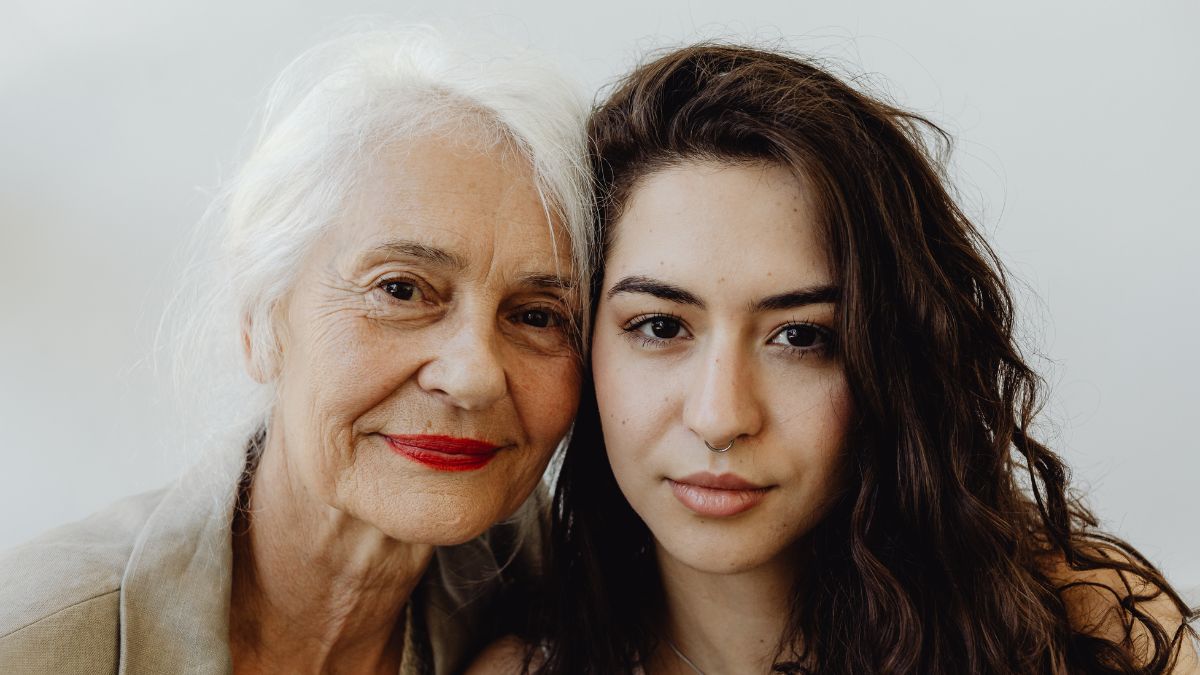
There is a quiet pattern emerging in many homes, especially among older adults who spent decades embodying resilience. These are individuals who were taught to remain composed, stay productive, and avoid expressing personal struggles. Today, many of them sit in increasingly quiet spaces, not because they lack people in their lives, but because they rarely signal that they need connection.
This dynamic is not accidental. It reflects a lifetime of learned behavior shaped by cultural expectations, family norms, and historical context.
Values
The Silent Generation and early Baby Boomers were raised during periods marked by economic hardship, war, and social constraint. In such environments, emotional restraint was often seen as necessary.
The dominant message was clear: remain strong, avoid burdening others, and manage difficulties privately. These values were not inherently harmful. In many cases, they helped individuals navigate instability and maintain function under pressure.
However, these same values also discouraged open emotional communication. Expressions of vulnerability were often minimized or dismissed, creating a culture where internal struggles remained largely unspoken.
Conditioning
Over time, these repeated messages formed a consistent behavioral pattern. Individuals learned to associate strength with silence and independence with emotional control.
This conditioning did not require explicit instruction. It was reinforced through observation. Children saw adults endure hardship without complaint, resolve conflict without discussion, and continue daily responsibilities regardless of internal state.
As a result, emotional needs were often managed privately rather than shared.
Transition
In earlier stages of life, this approach can appear effective. Work, family responsibilities, and social roles provide structure and distraction. There is less need to pause and reflect.
However, later life introduces a different context. Retirement, reduced social interaction, and physical limitations often lead to increased time alone. The external structures that once supported identity and routine begin to shift.
At this stage, the absence of emotional expression becomes more visible. Without established habits of sharing, many individuals find it difficult to articulate their internal experiences.
Data
Research supports this observation. Studies indicate that older adults are less likely to seek mental health support compared to younger populations. Social norms around self-reliance and stigma contribute to this pattern.
A large-scale meta-analysis examining over 1.25 million older adults found that approximately 27.6% experience loneliness. In North America, the rate is estimated to be over 30%.
Additional findings highlight broader social disconnection. A national survey reported that a notable percentage of older men have no close friendships, reflecting a decline in meaningful social ties over time.
Impact
The consequences of prolonged isolation extend beyond emotional wellbeing. Research led by psychologist Julianne Holt-Lunstad has shown that limited social connection is associated with increased health risks.
The findings can be summarized as follows:
| Factor | Increased Risk |
|---|---|
| Social isolation | 29% higher mortality risk |
| Loneliness | 26% higher mortality risk |
| Living alone | 32% higher mortality risk |
These outcomes are comparable to established health risks such as smoking or excessive alcohol use. Loneliness also contributes to conditions such as depression, cardiovascular disease, and cognitive decline.
Barrier
Despite these risks, many individuals from this generation remain hesitant to seek support. This hesitation is closely tied to stigma.
Mental health challenges are often viewed through a lens of personal responsibility rather than shared human experience. Admitting difficulty may be interpreted as failure rather than a normal response to life circumstances.
Additionally, loneliness itself can carry negative connotations. Some older adults associate it with personal shortcomings, making it harder to acknowledge or discuss openly.
Pattern
Over time, a reinforcing cycle develops. Individuals who consistently present themselves as self-sufficient may unintentionally signal to others that support is not needed.
Family members and friends may reduce check-ins, assuming everything is stable. This further limits opportunities for connection, even when the need exists.
The result is not intentional neglect, but a mismatch between internal experience and external perception.
Shift
Addressing this pattern does not require abandoning the values of resilience or independence. Instead, it involves expanding the definition of strength to include communication and connection.
Small changes can make a meaningful difference. For example:
- Encouraging open-ended conversations
- Creating regular opportunities for interaction
- Normalizing discussions about emotional wellbeing
These adjustments help create an environment where sharing becomes more accessible.
Approach
For those supporting individuals from this generation, the way questions are framed can influence responses. Direct questions such as “Are you okay?” may lead to automatic reassurance.
Alternative approaches may be more effective:
- “What has been on your mind lately?”
- “How have your days been feeling recently?”
- “Is there anything you’ve been wanting to talk about?”
These questions invite reflection without implying weakness.
Reflection
The broader issue is not a lack of care, but a gap in communication habits shaped over decades. The same qualities that once enabled endurance can, in a different life stage, limit connection.
Knowing this context allows for a more accurate interpretation of behavior. Silence is not always contentment. It may reflect learned restraint.
Creating space for expression requires patience and consistency. Over time, even deeply ingrained patterns can shift when individuals feel that openness is accepted and valued.
The individuals who were taught to remain strong and self-reliant contributed significantly to those around them. As they move through later stages of life, the opportunity exists to support them in ways that align with both their history and their current needs.
FAQs
Why don’t older adults express emotions?
They were taught to value stoicism.
Is loneliness common in older age?
Yes, many studies show high rates.
Does isolation affect health?
Yes, it increases health risks.
Why don’t they ask for help?
Stigma and self-reliance beliefs.
How can we support them?
Ask open, thoughtful questions.