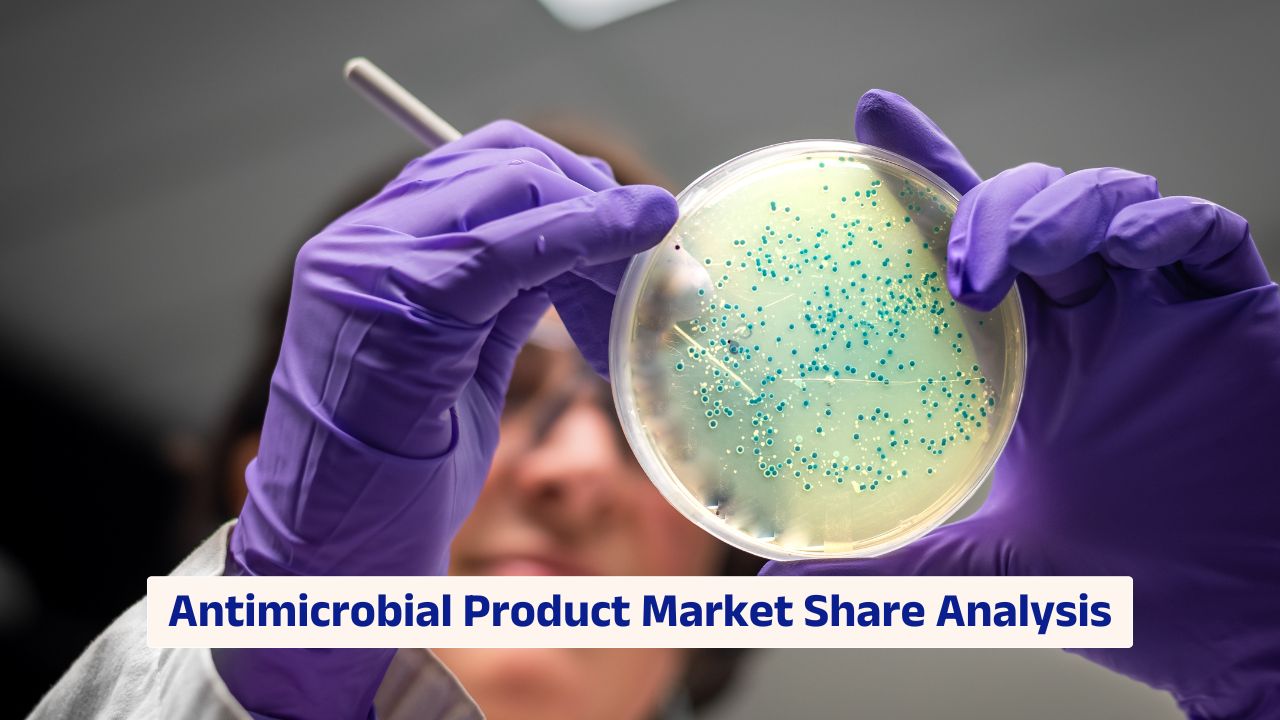
The antimicrobial product market has evolved into a strategically critical segment within the broader healthcare and biotechnology ecosystem, driven by rising antimicrobial resistance, infection control priorities, and regulatory oversight in the United States.
Market share distribution is increasingly influenced by innovation in drug development, hospital procurement practices, and federal initiatives aimed at combating resistant pathogens.
| Key Point | Details |
|---|---|
| Market Segments | Includes antibiotics, antivirals, antifungals, and disinfectants |
| Key Drivers | Rising antimicrobial resistance and hospital-acquired infections |
| Regulatory Influence | FDA incentives and stewardship programs shaping product adoption |
| Dominant Players | Large pharma and specialized biotech firms competing for share |
| Commercial Trends | Shift toward value-based pricing and hospital contracting |
| Innovation Focus | Novel mechanisms, microbiome therapies, and combination drugs |
Segments
The antimicrobial market is segmented into antibiotics, antivirals, antifungals, and antiseptics, each with distinct market share dynamics.
Antibiotics continue to dominate revenue share, particularly in hospital settings, due to their central role in treating bacterial infections and surgical prophylaxis.
Antivirals have gained increasing market share following pandemic-driven investments and expanded indications for chronic viral infections.
Antifungals represent a smaller but growing segment, driven by immunocompromised patient populations and rising incidence of invasive fungal infections.
Non-therapeutic antimicrobials, including disinfectants and surface sterilization products, have seen sustained demand post-pandemic. These products are increasingly integrated into infection prevention strategies across healthcare facilities and outpatient environments.
Drivers
Market share shifts are largely driven by antimicrobial resistance trends, which have been identified as a public health priority by federal agencies.
The Centers for Disease Control and Prevention has emphasized surveillance and stewardship through initiatives such as the CDC antimicrobial resistance program, influencing hospital purchasing decisions and clinical guidelines.
Hospital-acquired infections also play a significant role in shaping demand. Healthcare systems are prioritizing rapid-acting, broad-spectrum agents and combination therapies that reduce treatment failure rates. This has created opportunities for newer entrants offering differentiated mechanisms of action.
Additionally, demographic trends such as aging populations and increased surgical procedures contribute to sustained demand for antimicrobial therapies, reinforcing the dominance of established pharmaceutical players.
Regulation
Regulatory frameworks in the United States significantly influence market share distribution. The Food and Drug Administration has implemented streamlined pathways and incentives for antimicrobial development, particularly under programs targeting qualified infectious disease products.
Guidance from the FDA, including expedited review processes and exclusivity extensions, has encouraged biotech firms to invest in novel antimicrobial pipelines.
Detailed regulatory expectations can be reviewed through the FDA antibacterial and antifungal drug development guidance, which outlines clinical and safety requirements.
At the same time, antimicrobial stewardship policies limit overuse, which can constrain volume-based revenue models. This creates a complex commercial environment where innovation must align with responsible usage frameworks.
Competition
The competitive landscape is characterized by a mix of multinational pharmaceutical companies and emerging biotech firms. Large players maintain significant market share through established product portfolios, global distribution networks, and strong hospital relationships.
However, smaller biotech companies are increasingly capturing niche segments by focusing on resistant pathogens and precision-targeted therapies. These firms often leverage partnerships, licensing agreements, and government funding to accelerate commercialization.
Market consolidation and strategic acquisitions remain common, as larger companies seek to replenish antimicrobial pipelines that have historically suffered from underinvestment.
Innovation
Innovation is a key determinant of future market share. Advances in genomics, artificial intelligence, and microbiome research are enabling the development of next-generation antimicrobials with improved specificity and reduced resistance potential.
Emerging approaches include bacteriophage therapies, antimicrobial peptides, and combination regimens designed to overcome resistance mechanisms.
These innovations are attracting attention from both regulators and investors, particularly in light of the limited pipeline of traditional antibiotics.
Diagnostic integration is another important trend. Rapid diagnostics that identify pathogens and resistance profiles are influencing prescribing behavior, thereby affecting the market share of targeted versus broad-spectrum agents.
Outlook
The antimicrobial product market is expected to remain structurally important but commercially complex.
While demand is stable, revenue growth is constrained by stewardship policies and pricing pressures. This dynamic is pushing companies toward value-based models and innovative reimbursement strategies.
Public-private partnerships and federal funding initiatives are likely to play a larger role in sustaining innovation. Programs aimed at de-risking early-stage research and supporting commercialization could reshape competitive dynamics and redistribute market share over time.
Ultimately, companies that align scientific innovation with regulatory expectations and evolving healthcare economics will be best positioned to capture long-term market share in this critical sector.
FAQs
What factors drive antimicrobial product market share?
Market share is influenced by antimicrobial resistance trends, regulatory incentives, hospital procurement policies, and innovation in drug development.
Which segment dominates the antimicrobial market?
Antibiotics currently hold the largest market share due to their widespread use in treating bacterial infections and surgical prophylaxis.
How does FDA regulation impact this market?
FDA programs such as expedited approvals and exclusivity incentives encourage innovation while stewardship policies limit overuse, affecting revenue models.
Are biotech firms gaining market share in antimicrobials?
Yes, biotech companies are capturing niche segments by focusing on resistant pathogens and developing novel therapeutic approaches.
What is the future outlook for antimicrobial products?
The market will remain essential but complex, with growth driven by innovation, diagnostics integration, and new reimbursement models aligned with value-based care.