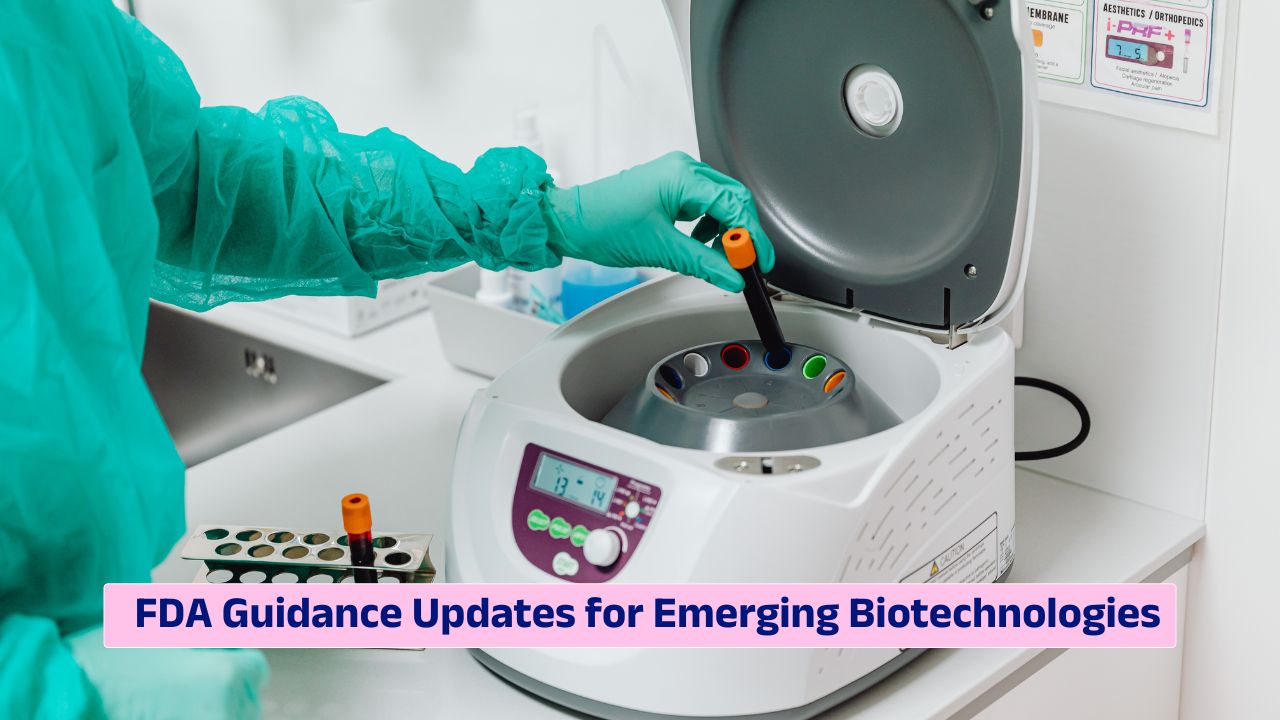
FDA guidance updates for emerging biotechnologies continue to shape how innovative therapies and advanced biological platforms move from laboratory research to regulated clinical use in the United States.
As new therapeutic modalities advance rapidly, the regulatory environment must evolve to address scientific complexity, manufacturing challenges, and long-term patient safety considerations.
In recent years, the US Food and Drug Administration has expanded guidance frameworks for areas such as gene therapy, cell-based treatments, digital health integration, and biologic manufacturing oversight.
These updates are intended to provide clearer expectations for biotechnology companies developing next-generation medical products.
| Regulators emphasize scalable production methods and quality systems for biologics and gene-based therapies. | Details |
|---|---|
| Gene therapy oversight | Updated guidance clarifies clinical trial design, vector safety evaluation, and long term follow up requirements. |
| Cell therapy regulation | Manufacturing consistency, donor eligibility, and potency testing remain central regulatory priorities. |
| Advanced manufacturing | Regulators emphasize scalable production methods and quality systems for biologics and gene based therapies. |
| Digital health integration | Guidance addresses software driven monitoring tools used alongside biologic treatments. |
| Regulatory transparency | Updated guidance documents provide clearer pathways for biotech developers navigating complex approval processes. |
Gene Therapy
Gene therapy represents one of the most rapidly advancing areas of biotechnology. As these treatments target genetic causes of disease, regulatory oversight must address both therapeutic potential and long-term safety considerations.
FDA guidance updates increasingly focus on viral vector safety, biodistribution analysis, and patient monitoring following treatment.
Because gene therapies may produce lasting biological effects, clinical trial protocols often require extended follow-up periods to track durability and potential delayed adverse events.
The FDA cellular and gene therapy regulatory program provides a central framework for developers working on these advanced therapeutics. The agency encourages early engagement between sponsors and regulators to clarify expectations during product development.
Cell Therapies
Cell-based treatments, including engineered immune cell therapies, have expanded rapidly across oncology and regenerative medicine research.
These therapies involve complex biological materials that must be carefully controlled throughout manufacturing and clinical delivery.
Regulatory guidance emphasizes donor eligibility screening, cell processing consistency, and potency assays that demonstrate biological activity. Unlike traditional pharmaceutical products, cell therapies often involve living biological material that can vary between batches.
As a result, regulators expect biotechnology developers to establish robust quality systems capable of maintaining product consistency across manufacturing facilities and clinical trial sites.
Manufacturing
Manufacturing readiness has become a critical component of regulatory review for emerging biotechnologies. Advanced biologics frequently require specialized production environments, complex purification processes, and strict quality control systems.
Updated FDA guidance encourages developers to consider scalable manufacturing strategies early in product development. Companies must demonstrate that production methods can reliably generate consistent biological products as clinical programs progress toward commercialization.
Detailed regulatory expectations related to biologics development are outlined within the FDA drug development and approval process, which includes quality, safety, and efficacy evaluations required before market authorization.
Digital Integration
Another emerging focus of FDA guidance involves digital technologies that support biotechnology products. Remote monitoring tools, wearable biosensors, and software-based analytics platforms are increasingly used alongside advanced therapeutics.
Regulatory frameworks are evolving to address how digital health technologies collect patient data, support clinical trials, and monitor treatment outcomes. These tools can enhance post-treatment surveillance and improve long-term patient management.
For biotechnology companies, integrating digital monitoring solutions may strengthen clinical evidence generation while providing regulators with additional insight into treatment performance in real-world settings.
Outlook
FDA guidance updates for emerging biotechnologies reflect the agency’s effort to balance innovation with patient safety. As gene therapies, cell-based treatments, and biologic platforms advance, regulatory clarity will remain essential for translating scientific breakthroughs into approved therapies.
Biotechnology companies that engage early with regulators, design robust clinical studies, and invest in scalable manufacturing capabilities are more likely to navigate evolving guidance successfully.
In the coming years, regulatory strategy will remain a critical component of biotechnology commercialization and industry growth.
FAQs
What are the FDA guidance updates for emerging biotechnologies?
FDA guidance updates provide regulatory recommendations for biotechnology developers working on advanced therapies such as gene therapy, cell-based treatments, and biologic medicines.
Why are FDA guidance documents important for biotech companies?
They clarify regulatory expectations related to clinical trials, manufacturing quality, safety monitoring, and approval pathways for innovative medical products.
Which emerging biotechnologies are most affected by FDA guidance?
Gene therapies, cell therapies, biologics, regenerative medicine products, and digital health technologies used in clinical monitoring are major areas addressed in recent guidance updates.
Do FDA guidance documents represent legally binding regulations?
No. Guidance documents describe the agency’s current thinking and recommendations but are not legally binding requirements.
How can biotechnology companies prepare for evolving FDA guidance?
Companies should engage early with regulators, design strong clinical development strategies, establish scalable manufacturing processes, and maintain robust quality systems.