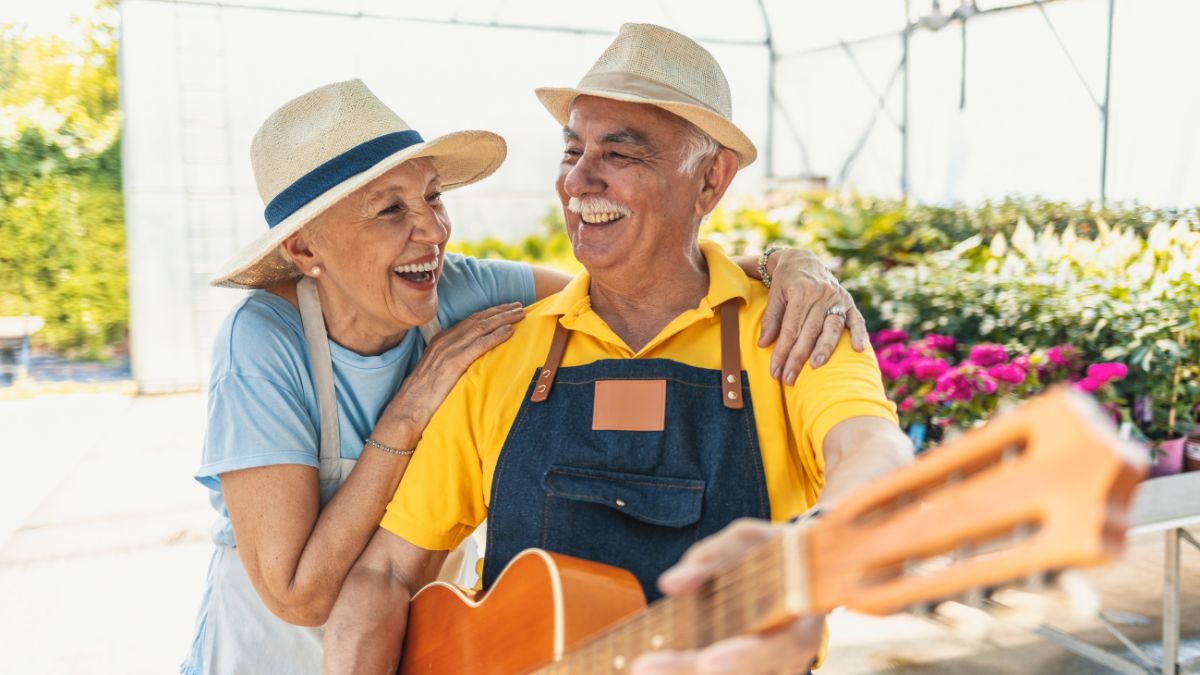
Retirement is often described as a period of freedom. After decades of fixed schedules and workplace demands, older adults finally gain control over how they spend their days. Some fill their time with hobbies, volunteering, and social activities. Others prefer quieter routines at home. For years, psychologists have been interested in whether these choices are simply a matter of preference or whether they shape how people feel emotionally.
Recent research suggests the answer may be more complex. The way older adults organize their time, particularly the range of activities they engage in, appears to be linked to emotional well-being. Importantly, this link is not just about staying busy. It is about variety.
Time
Leaving the workforce changes how time is experienced. During working years, schedules naturally include diverse activities: meetings, problem-solving, commuting, conversations, and shifting responsibilities. Retirement often removes this built-in structure.
Psychologists note that this sudden openness can be both an opportunity and a challenge. Without intentional planning, days may become repetitive. Research increasingly suggests that what replaces work routines matters for emotional health.
Diversity
Rather than focusing on specific hobbies or exercises, researchers have examined a broader concept known as activity diversity. This term refers to engaging in a range of different activities across daily life instead of repeating the same ones each day.
Activity diversity may include socializing, volunteering, helping family members, household tasks, physical movement, leisure pursuits, and involvement in the local community. The key element is not intensity, but variation.
Evidence
One influential analysis used data from the National Survey of Daily Experiences, examining adults aged 60 to 74. Researchers assessed activity diversity alongside seven indicators of emotional well-being.
The findings were consistent. Individuals who engaged in a wider variety of activities reported higher psychological well-being. They experienced more positive emotions and fewer negative ones. This association was strongest in middle and late adulthood.
The results suggest that diversity itself, rather than any single activity, may support emotional balance during retirement.
Emotions
Researchers found that activity diversity was linked to improved emotional experiences. Participants with more varied routines reported feeling happier, calmer, and more engaged.
At the same time, they were less likely to report persistent negative emotions such as loneliness or irritability. These findings point to a possible emotional benefit of regularly shifting roles and environments.
Structure
Why might variety matter more after retirement than earlier in life? Psychologists suggest that structure plays an important role.
During working years, variety is often unavoidable. Tasks change, social roles shift, and environments vary throughout the day. Retirement removes many of these external changes.
By engaging in diverse activities, retirees may recreate some of that structure voluntarily. Moving between roles, such as volunteer, friend, caregiver, or learner, may help maintain a sense of purpose and continuity.
Comparison
Interestingly, the same association between activity diversity and well-being was not observed in younger age groups studied in the same research. This suggests that routine may have different implications depending on life stage.
For older adults, repetition may carry a greater risk of emotional stagnation, while variety may serve as a psychological resource rather than a challenge.
Leisure
Other studies have focused on how older adults manage their leisure time. Research indicates that strong leisure-time management skills are linked to better subjective well-being in later years.
This finding suggests that having free time alone is not enough. Purposeful choices about how that time is spent may influence long-term emotional outcomes. Activities that feel meaningful, enjoyable, or socially connected appear especially beneficial.
Balance
Importantly, activity diversity does not mean constant activity. Researchers caution against equating variety with busyness.
A large meta-analysis examining leisure and well-being found that satisfaction with leisure activities mattered more than the number of activities performed. Calm weeks that include reading, social contact, light exercise, and volunteering may offer more emotional benefit than schedules packed with stressful commitments.
In this context, diversity refers to balance rather than overload.
Limits
Despite promising findings, scientists emphasize that most studies in this area are observational. This means they identify patterns, not direct cause-and-effect relationships.
It remains possible that people with better emotional health naturally maintain more varied routines, rather than the routines causing improved well-being. Still, the consistency of results across studies strengthens the overall interpretation.
Meaning
Taken together, psychological research suggests that how older adults organize their weekly routines may influence how they feel emotionally. For retirees, maintaining a varied schedule appears to be about more than avoiding boredom.
Activity diversity may help support emotional balance, purpose, and engagement during a stage of life where external structure is reduced. While more research is needed, the evidence so far points to variety as a potentially meaningful part of healthy aging.
FAQs
What is activity diversity?
Engaging in a range of different daily activities.
Why is variety important after retirement?
It may replace lost structure from working life.
Does being busy improve well-being?
Not necessarily. Balance matters more than busyness.
Is activity diversity proven to cause happiness?
No. Most studies show correlation, not causation.
Can quiet routines still be healthy?
Yes, if they feel meaningful and satisfying.