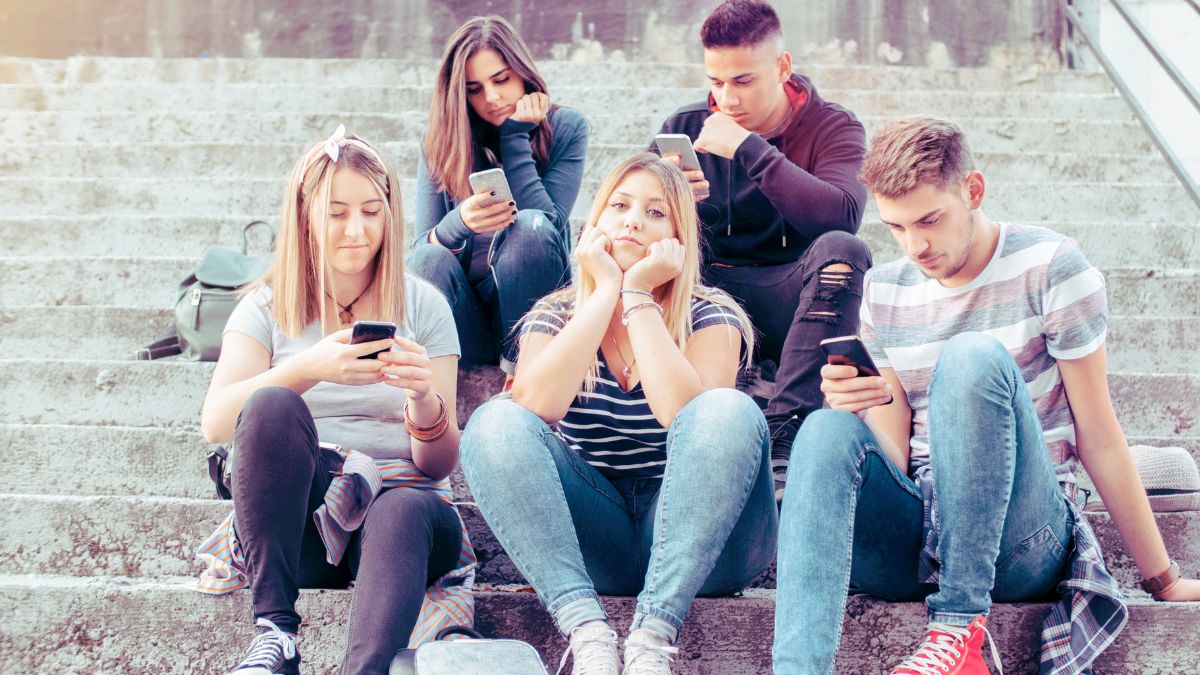
Generational disagreements are a recurring part of society. From Baby Boomers criticizing millennials for changing workplace culture to millennials struggling to know Gen Z humor and online behavior, each generation often views the next with skepticism. Social media has made these debates more visible, but psychologists say the pattern itself is not new.
Throughout history, older generations have often believed younger people were changing society in negative ways. Ancient philosophers made similar observations centuries ago. Modern psychology suggests these tensions are usually connected to identity, social change, and different life experiences rather than simple disagreements about trends or technology.
Change
One of the most common explanations for generational tension is Status Quo Bias. This psychological tendency causes people to prefer familiar systems and routines over change.
As individuals grow older, the values and behaviors they learned earlier in life become connected to stability and identity. When younger generations adopt different attitudes, older adults may feel that long-standing norms are being challenged.
For example, many older workers once criticized millennials for prioritizing work-life balance instead of long-term corporate loyalty. In recent years, some millennials have similarly questioned Gen Z’s approach to hustle culture and flexible work expectations.
Psychologists note that this pattern repeats because each generation develops beliefs shaped by the social and economic conditions of its time.
Identity
Another important factor is Identity Threat Theory. People often connect their personal identity to the social values and expectations they grew up with.
When younger generations introduce new ideas about careers, communication styles, relationships, or social issues, older generations may unconsciously interpret those changes as criticism of their own decisions or experiences.
This helps explain why generational debates sometimes become emotionally charged. The disagreement is not only about specific behaviors or trends. It also involves personal identity and long-held beliefs.
For instance, older generations who associated professional success with long office hours may struggle to understand younger workers who prioritize flexibility and mental health. Younger employees, meanwhile, may see those boundaries as necessary rather than unproductive.
Cohorts
Psychologists also study generational behavior through Generational Cohort Theory. This theory suggests that people shaped by similar historical events often develop shared attitudes and priorities.
Different generations experienced very different social and economic conditions during their formative years.
| Generation | Major Influences | Common Priorities |
|---|---|---|
| Baby Boomers | Post-war growth | Stability and loyalty |
| Generation X | Economic uncertainty | Independence |
| Millennials | Internet growth, 2008 recession | Flexibility and balance |
| Gen Z | Social media and digital culture | Mental health and authenticity |
Because each generation responds to different challenges, misunderstandings can develop between age groups. Behaviors that seem practical to one generation may appear unnecessary or confusing to another.
Media
Social media has increased the visibility of generational differences. Platforms such as TikTok, Instagram, and X allow trends, opinions, and cultural habits to spread rapidly across large audiences.
Younger users often create online humor centered around generational identity, while older users may feel disconnected from fast-changing internet culture. These interactions can reinforce stereotypes on both sides.
Psychologists relate this to Social Identity Theory, which explains that people naturally defend the social groups they belong to while viewing outside groups more critically.
Online discussions can intensify this effect because algorithms frequently promote emotionally engaging content, including debates about generational behavior.
Millennials
Tension between generations does not only involve older adults criticizing younger people. Millennials, who were once widely criticized for their lifestyle choices and workplace expectations, sometimes express similar frustrations toward Gen Z.
Psychologists describe part of this process as Cultural Lag. Society changes rapidly, but attitudes and social expectations often take longer to adjust.
Millennials grew up adapting to evolving technology, while Gen Z entered adulthood in a world already shaped by smartphones and social media. This difference influences communication habits, online behavior, and approaches to work and social interaction.
As a result, even generations close in age may struggle to fully understand each other’s perspectives.
Relevance
Another factor connected to generational tension is the fear of losing relevance. As younger generations shape trends, language, and technology, older individuals may feel excluded from cultural conversations.
Psychologists associate this feeling with Existential Anxiety, which refers to discomfort caused by rapid social change and uncertainty.
This reaction does not necessarily reflect intolerance. In many cases, people are responding to the speed at which modern society evolves. Over the last two decades alone, digital technology, remote work, and social media have transformed communication and daily routines significantly.
Adapting to these changes can be challenging for individuals from any age group.
Workplace
The workplace remains one of the clearest examples of generational differences.
Younger employees often prioritize flexibility, mental health awareness, and remote work opportunities. Some older managers may interpret these preferences as a lack of commitment, while younger workers may view them as healthier professional boundaries.
Public discussions about workplace culture frequently highlight these misunderstandings. Researchers and business experts have noted that each generation tends to define productivity and success differently.
Older generations may value physical presence and long hours because those standards shaped earlier professional environments. Younger generations, however, often focus on efficiency, balance, and adaptability.
Judgment
Psychology also shows that younger generations frequently stereotype older adults.
Younger people may describe older generations as resistant to change or disconnected from modern culture. Older adults may describe younger people as overly sensitive or dependent on technology.
These assumptions are examples of stereotyping bias, where people simplify large groups into broad generalizations.
In reality, no generation is completely uniform. Individual experiences, personality, education, and environment all influence behavior beyond age alone.
Still, generational labels remain influential because they provide simple explanations for complex social changes.
Understanding
Experts generally recommend empathy and curiosity as ways to reduce generational conflict. Instead of viewing differences as evidence that one generation is right or wrong, psychologists encourage people to consider the social conditions that shaped each group.
Every generation adapts to the world it inherits. Economic conditions, technological developments, cultural movements, and historical events all influence how people think and behave.
What seems unusual or unnecessary to one generation may reflect the realities faced by another. Understanding this broader context can make conversations between age groups less confrontational and more productive.
Generational conflict is ultimately less about age itself and more about society’s constant evolution. Each generation develops beliefs and habits suited to its environment, while the next generation adapts to new conditions and priorities. Psychology suggests this cycle is a normal part of social change rather than evidence that society is declining.
FAQs
Why do generations often disagree?
Different experiences shape different values.
What is Status Quo Bias?
People prefer familiar systems and routines.
How does social media affect generations?
It increases visibility of cultural differences.
Why do millennials and Gen Z clash?
Technology shaped their lives differently.
Can generational conflict improve?
Empathy and understanding can reduce tension.