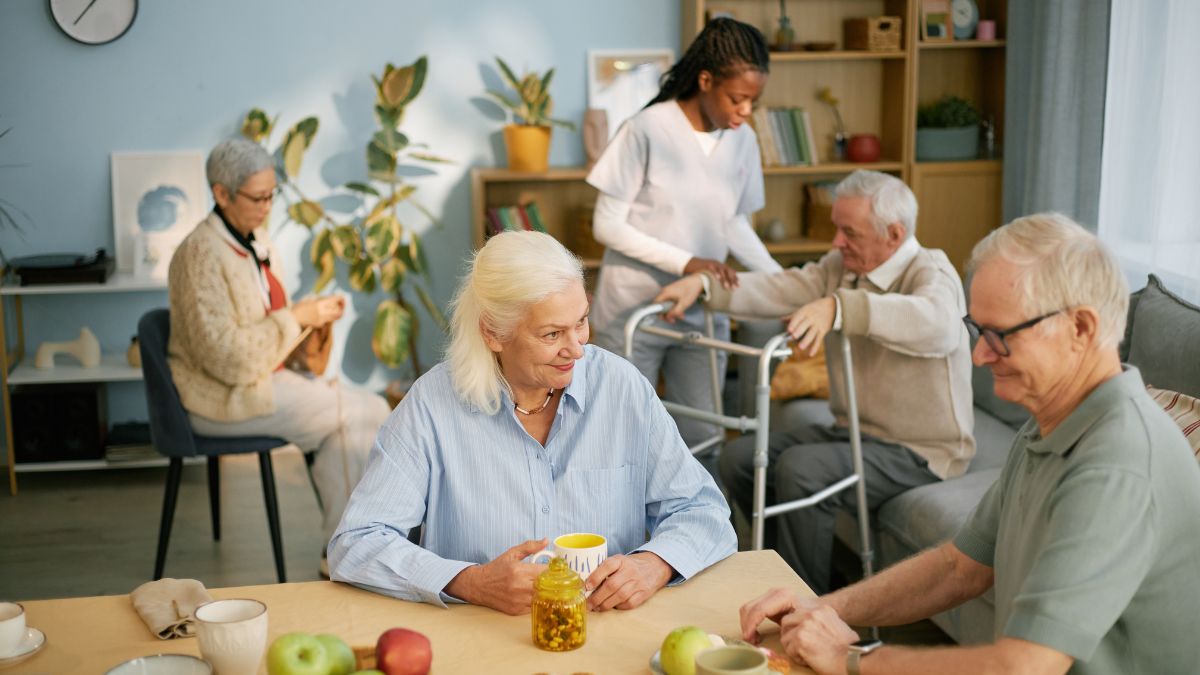
In later adulthood, social life often reorganizes around family structures. Birthdays, school events, holidays, and caregiving responsibilities begin to shape how people spend their time and whom they include. For individuals without children or grandchildren, this shift can create a quieter, less discussed form of social distance.
This experience is not typically framed as exclusion. It is gradual, often unintended, and closely tied to how social calendars evolve over time.
Shift
As people enter their sixties, many of their peers transition into roles centered on family milestones. Grandchildren’s activities, extended family gatherings, and intergenerational obligations begin to dominate schedules.
For those without children, the structure of daily life may remain relatively stable. Weekly routines, hobbies, and partnerships continue, but without the added layer of family-driven events.
The result is not necessarily isolation, but a divergence in how time is organized. Social overlap decreases as priorities differ.
Calendar
Invitations often follow patterns of shared experience. When most social events are built around family participation, those outside that structure may be included less frequently.
This change is rarely deliberate. It reflects practical decisions about what kind of events are being who they are designed for.
| Event Type | Typical Participants |
|---|---|
| School functions | Parents, grandparents |
| Family gatherings | Extended relatives |
| Child-centered events | Multi-generational families |
| Independent social | Friends, mixed groups |
As the proportion of family-centered events increases, the number of neutral or broadly inclusive gatherings may decline.
Conversation
Social conversations tend to mirror daily life. When family roles become central, discussions often focus on those experiences.
For individuals without similar reference points, participation in these conversations can become more limited. They may listen and engage, but their ability to contribute in the same way is reduced.
This does not imply exclusion by intent. It reflects a shift in shared context. Over time, repeated exposure to conversations that revolve around unfamiliar experiences can create a sense of distance.
Holidays
Seasonal events highlight these differences more clearly. Holidays often become structured around younger generations, with activities designed for children and extended family.
Those without this structure may find themselves participating peripherally or making alternative plans. The contrast between past and present traditions can become more noticeable during these periods.
Again, the change is structural rather than personal. The meaning and organization of holidays evolve with family composition.
Networks
Social networks in later life are frequently reinforced through family connections. Parents meet through schools, and later, grandparents connect through shared caregiving roles.
Without these built-in pathways, forming new social ties can require more deliberate effort. Community groups, clubs, and shared-interest activities provide alternatives, but they may not fully replicate the consistency of family-based networks.
This can make social expansion slower, even when individuals remain active and engaged.
Support
Another dimension of this shift involves practical support. Family networks often provide informal assistance, such as regular check-ins or help with daily tasks.
Individuals without nearby family may rely more on friends, neighbors, or formal services. While these networks can be effective, they operate differently from family-based systems.
The difference lies in structure rather than quality. Support exists, but it may require more coordination and planning.
Perception
The experience is sometimes described as invisibility, though it does not typically involve active exclusion. Instead, it reflects a gradual reduction in visibility within social planning.
People tend to organize their time around immediate responsibilities. As those responsibilities change, so do patterns of inclusion.
This can result in certain individuals being considered less often, not due to lack of interest, but due to shifting assumptions about relevance or fit.
Adaptation
Some individuals respond by creating alternative social structures. This may include organizing regular gatherings, maintaining smaller but consistent social circles, or participating in community-based activities.
These approaches can provide stability and connection, though they require intentional effort.
Others adjust expectations, recognizing that social patterns change with age and life stage. This perspective can reduce the sense of personal significance attached to the shift.
Reflection
The broader pattern reflects how social systems evolve rather than a single identifiable cause. As family milestones become central for many, those outside that framework may experience reduced inclusion in routine planning.
Awareness of this dynamic can influence individual choices. Expanding invitations, maintaining diverse social interactions, and recognizing different life paths can help balance the effects of structural change.
The outcome is not fixed. Social inclusion remains, to some extent, shaped by everyday decisions about who is considered when plans are made.
FAQs
Why do childless seniors feel invisible?
Social life shifts toward family-based events.
Is this intentional exclusion?
Usually not, it is a structural change.
Do conversations play a role?
Yes, they often center on family topics.
Can new social circles be built?
Yes, through community and shared interests.
Is support still available?
Yes, but often through non-family networks.