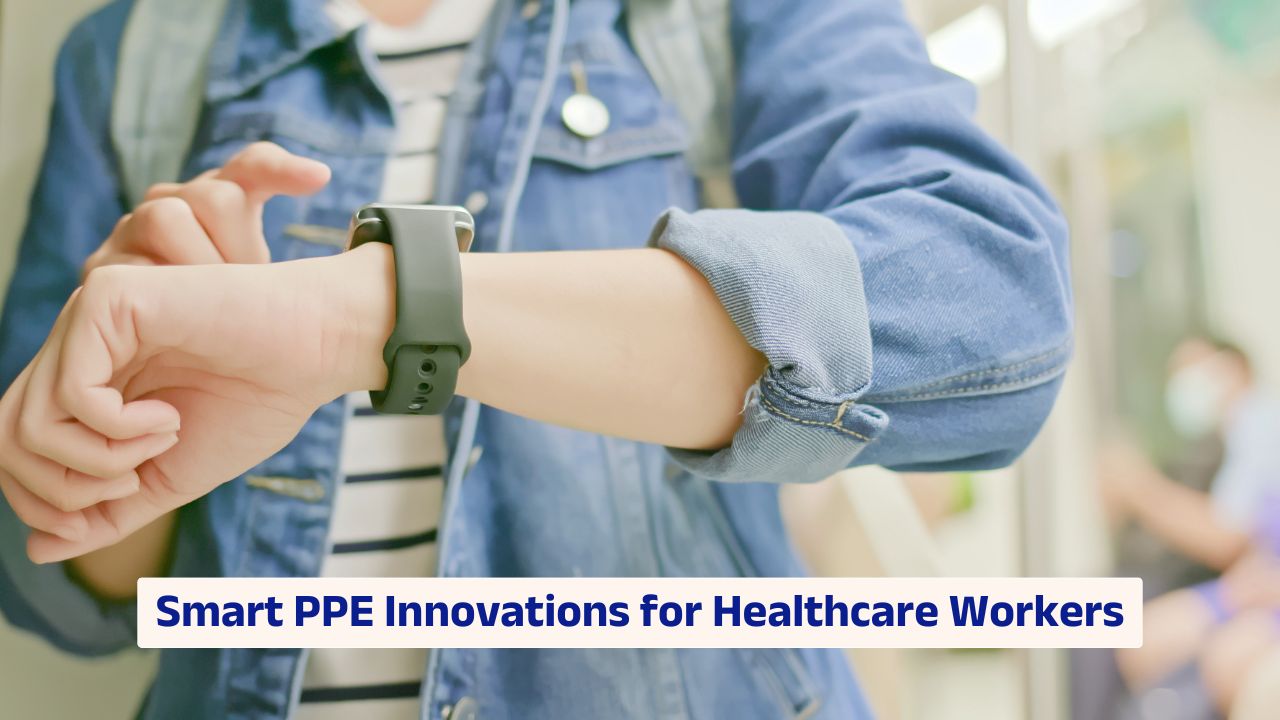
Smart PPE innovations are reshaping how healthcare workers manage exposure risks, particularly in high-acuity environments where infection control is critical.
Traditional personal protective equipment has long served as a physical barrier, but emerging technologies are transforming PPE into intelligent systems capable of monitoring, alerting, and adapting in real time.
Driven by lessons from pandemic response and increasing regulatory scrutiny, healthcare systems across the United States are investigating smart PPE solutions that integrate biosensing, connectivity, and data analytics.
These advancements are not only improving worker safety but also generating actionable insights for hospital operations and public health surveillance.
| Key Point | Details |
|---|---|
| Biosensing Integration | Embedded sensors detect pathogens, temperature, and physiological markers in real time |
| Connectivity | IoT-enabled PPE transmits data to hospital systems for monitoring and alerts |
| Regulatory Oversight | FDA pathways evolving to evaluate digital and combination PPE devices |
| Workforce Safety | Enhanced protection reduces occupational exposure and burnout risk |
| Market Expansion | Growing demand from hospitals, ambulatory centers, and emergency responders |
Technology
Smart PPE incorporates advanced materials and embedded electronics to extend functionality beyond passive protection.
Wearable biosensors integrated into masks, gowns, and gloves can detect biomarkers such as respiratory rate, body temperature, and even airborne contaminants.
These systems enable early identification of exposure risks, allowing healthcare workers to respond before symptoms develop.
In parallel, augmented reality visors and heads-up displays are being observed to enhance situational awareness. These tools can overlay patient data or procedural guidance, reducing cognitive load and minimizing the need for repeated device handling in sterile environments.
Regulation
The regulatory landscape for smart PPE is evolving as these products increasingly fall under combination device categories.
The U.S. Food and Drug Administration’s medical devices framework is adapting to evaluate products that combine protective equipment with digital health capabilities.
This includes considerations around software validation, cybersecurity, and real-time data transmission.
Additionally, compliance with occupational safety standards remains essential. Agencies such as the CDC’s National Institute for Occupational Safety and Health continue to play a role in defining performance benchmarks for respiratory protection and other PPE categories.
Smart PPE must meet these baseline requirements while demonstrating added value through technological enhancements.
Data
One of the most transformative aspects of smart PPE is its ability to generate continuous data streams. This data can be integrated into hospital information systems, enabling real-time monitoring of staff health and environmental conditions.
For example, alerts can be triggered when exposure thresholds are exceeded or when fatigue indicators suggest increased risk of error.
From a public health perspective, aggregated data from smart PPE could support outbreak detection and resource allocation.
However, this raises important considerations around data privacy, interoperability, and compliance with regulations such as HIPAA. Healthcare providers must balance innovation with robust data governance frameworks.
Market
The commercialization of smart PPE is gaining momentum, driven by increased investment in digital health and wearable technologies.
Venture-backed startups and established medical device companies are entering the space, often leveraging partnerships with healthcare systems to pilot and validate their solutions.
Reimbursement remains a key consideration. While traditional PPE is typically treated as a consumable expense, smart PPE introduces elements of capital equipment and digital services.
This shift may require new reimbursement models or value-based purchasing frameworks to support adoption.
Adoption
Implementation of smart PPE in clinical settings requires careful integration into existing workflows. Training, usability, and device durability are critical factors influencing adoption.
Healthcare workers must be able to rely on these systems without added complexity or disruption to patient care.
Interoperability with electronic health records and hospital IT infrastructure is another challenge. Seamless integration ensures that data generated by smart PPE can be effectively utilized without creating silos or increasing administrative burden.
Looking ahead, smart PPE is poised to become a foundational component of healthcare safety infrastructure.
As regulatory clarity improves and technology matures, these innovations will likely play a central role in protecting frontline workers while enabling more resilient healthcare systems.
FAQs
What is smart PPE in healthcare?
Smart PPE refers to personal protective equipment enhanced with sensors, connectivity, and data capabilities to monitor health and environmental risks in real time.
How does smart PPE improve worker safety?
It provides real-time alerts, tracks exposure levels, and monitors physiological signals, allowing early intervention and reducing occupational risks.
Is smart PPE regulated in the United States?
Yes, smart PPE may fall under FDA medical device regulations and must also comply with occupational safety standards set by agencies like NIOSH.
What challenges affect the adoption of smart PPE
Key challenges include cost, integration with existing systems, data privacy concerns, and ensuring ease of use for healthcare workers.
What is the future of smart PPE?
Smart PPE is expected to become more advanced, integrated, and widely adopted as healthcare systems prioritize worker safety and digital transformation.