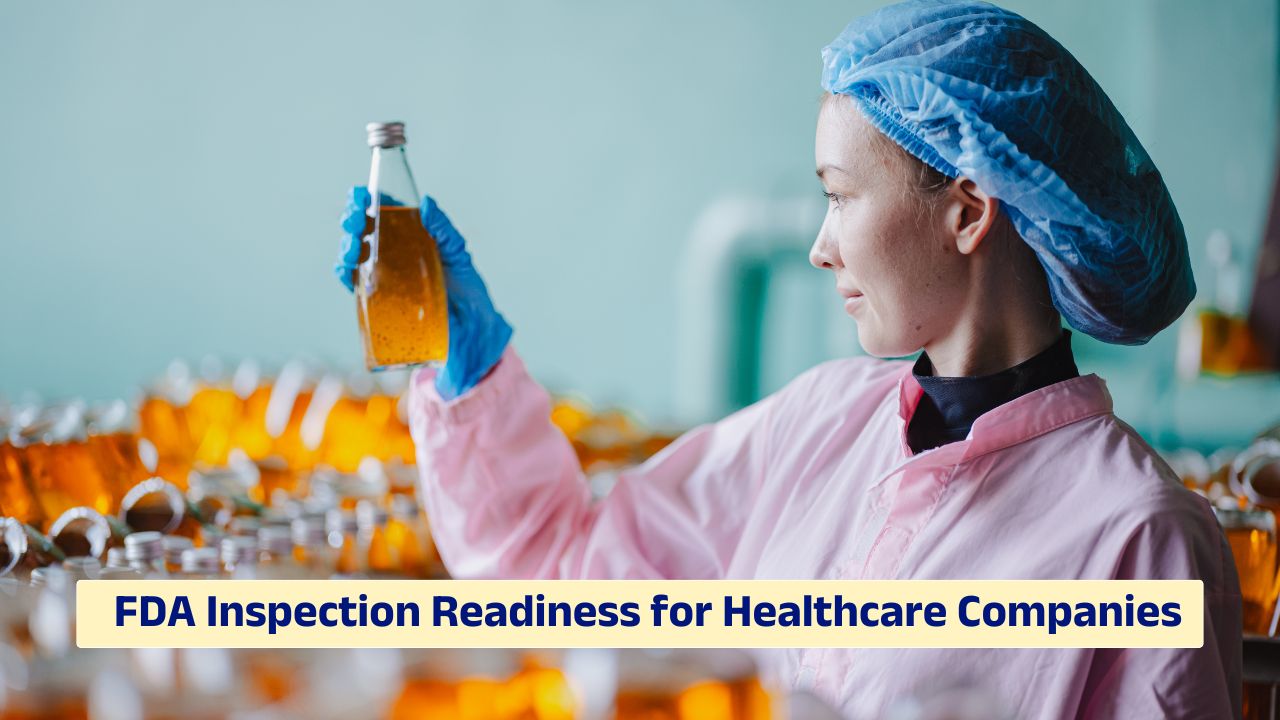
FDA inspection readiness has become a strategic imperative for healthcare companies operating in the United States, particularly as regulatory scrutiny intensifies across clinical development, manufacturing, and post-market surveillance.
Inspections conducted by the Food and Drug Administration are not merely compliance exercises; they are decisive events that can influence product approvals, commercialization timelines, and corporate reputation.
Organizations that treat inspection readiness as a continuous operational discipline, rather than a reactive event, are better positioned to navigate regulatory expectations and mitigate disruption.
This shift reflects the increasing complexity of global supply chains, advanced therapeutics, and data integrity requirements.
| Key Point | Details |
|---|---|
| Inspection Scope | Covers clinical trials, manufacturing, quality systems, and pharmacovigilance |
| Data Integrity | Critical focus on accuracy, traceability, and audit trails in digital systems |
| Quality Systems | Evaluation of SOPs, CAPA processes, and deviation management |
| Inspection Outcomes | Form 483 observations and warning letters impact operations and valuation |
| Preparedness Strategy | Continuous monitoring, mock audits, and cross-functional training programs |
Scope
FDA inspections encompass a broad range of operational areas, including Good Clinical Practice, Good Manufacturing Practice, and pharmacovigilance systems.
Inspectors evaluate whether companies adhere to established protocols and regulatory standards throughout the product lifecycle.
The scope has expanded in recent years to include digital infrastructure, outsourced manufacturing partners, and real-world evidence collection.
This evolution reflects the agency’s focus on ensuring consistency and reliability across increasingly complex healthcare ecosystems.
Systems
Robust quality systems form the backbone of inspection readiness. Standard operating procedures, corrective and preventive action frameworks, and deviation tracking mechanisms must be clearly documented and consistently implemented.
Inspectors often assess whether these systems function effectively under real-world conditions rather than existing solely on paper.
Companies that integrate quality management into daily operations, rather than isolating it within compliance teams, demonstrate stronger inspection performance. This integration ensures that issues are identified and resolved proactively.
Data
Data integrity remains one of the most scrutinized elements during FDA inspections. Regulators expect complete, accurate, and attributable records across clinical and manufacturing activities. Electronic systems must maintain secure audit trails and prevent unauthorized alterations.
Guidance from the FDA guidance document database highlights expectations around electronic records and signatures. Non-compliance in this area can lead to significant enforcement actions, including warning letters or import alerts.
Training
Employee preparedness is a critical yet often underestimated component of inspection readiness. Staff must know their roles, responsibilities, and the regulatory context of their work.
During inspections, personnel are expected to respond confidently and accurately to inspector inquiries.
Regular training programs, including mock inspections and scenario-based exercises, help reinforce compliance culture.
These initiatives also identify gaps in knowledge or processes before they are exposed during an actual inspection.
Outcomes
Inspection outcomes can have immediate and long-term implications. Form 483 observations signal potential compliance issues, while warning letters indicate more serious violations that require prompt remediation.
These outcomes are publicly accessible and can influence investor confidence and partnership decisions.
Companies often disclose inspection findings in filings available through the SEC EDGAR system, linking regulatory performance directly to market perception.
Effective response strategies, including timely corrective actions, are essential to maintaining credibility.
As healthcare innovation accelerates, FDA inspection readiness will remain a defining factor in operational and commercial success.
Organizations that embed compliance into their culture, invest in digital infrastructure, and maintain transparency with regulators are better equipped to navigate evolving expectations.
Looking ahead, increased adoption of advanced therapies and decentralized clinical models will likely expand inspection complexity.
Companies that anticipate these shifts and align their readiness strategies accordingly will strengthen both regulatory standing and market resilience.
FAQs
What is FDA inspection readiness?
FDA inspection readiness refers to a company’s ability to demonstrate compliance with regulatory standards during inspections at any time.
Why is data integrity important in FDA inspections?
Data integrity ensures that records are accurate, complete, and reliable, which is critical for regulatory trust and product safety.
What are common FDA inspection findings?
Common findings include inadequate documentation, weak quality systems, and insufficient employee training.
How can companies prepare for FDA inspections?
Through continuous compliance monitoring, mock audits, staff training, and strong quality management systems.
What happens after an FDA warning letter?
Companies must implement corrective actions and demonstrate compliance to avoid further regulatory enforcement.